
Fault tolerance is a difficult topic to get across. It’s technical, layered, and easy to lose track of the main thread. We started using carousels to explain fault tolerance because they gave us a way to break the subject into small, self-contained pieces, while still leaving space for some depth. Each one focuses on a single idea, but when read together they start to form a picture of how the pieces fit.
In this post, we’ve pulled together all of our carousels on fault tolerance into one place. You can think of it as a compact mini-curriculum that lets you explore the key concepts that make quantum fault tolerance so challenging yet remarkably possible.
We’re also enhancing the carousels with companion posts that give more context. We’ll link them below as they go live.
Here’s what you’ll find:
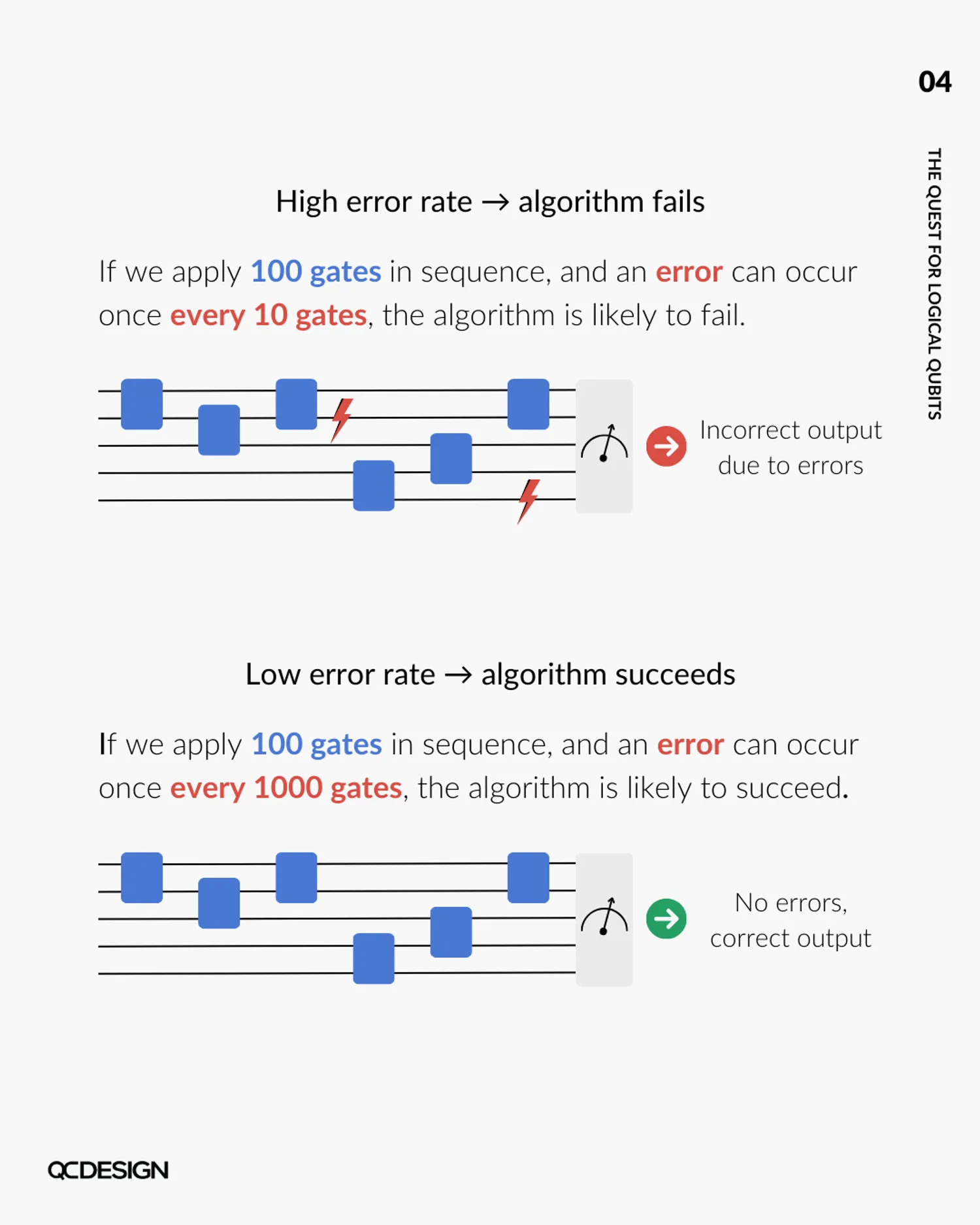
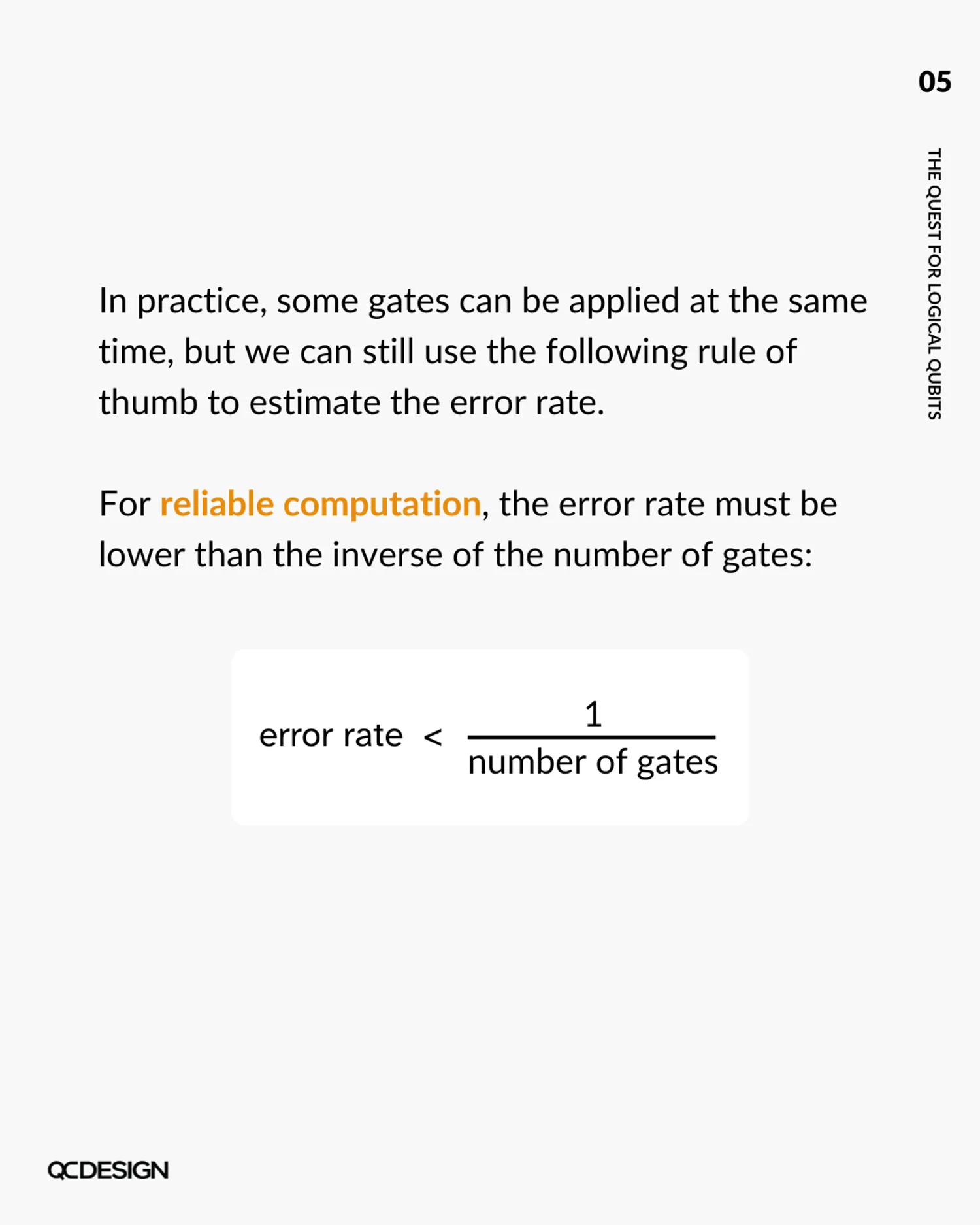
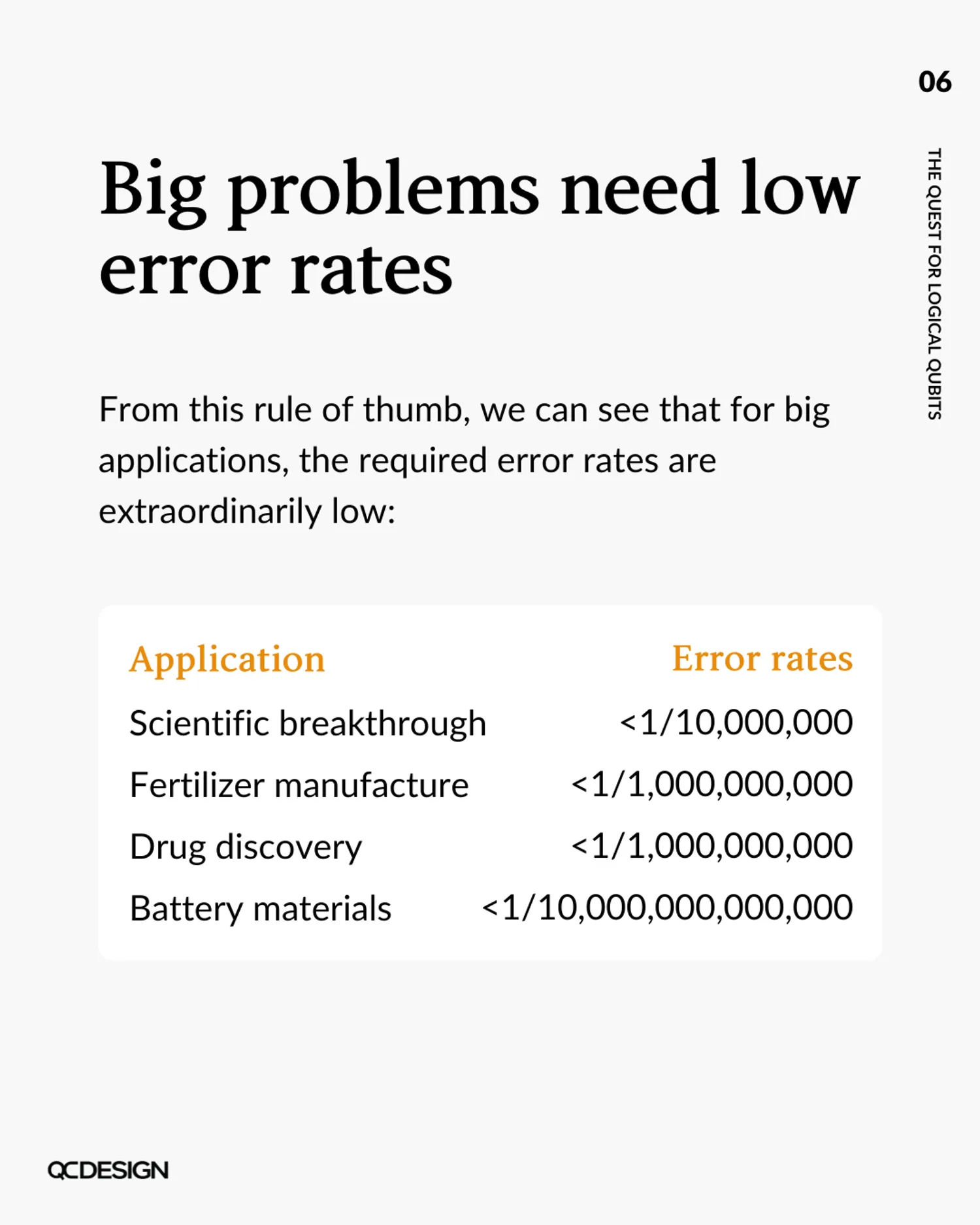
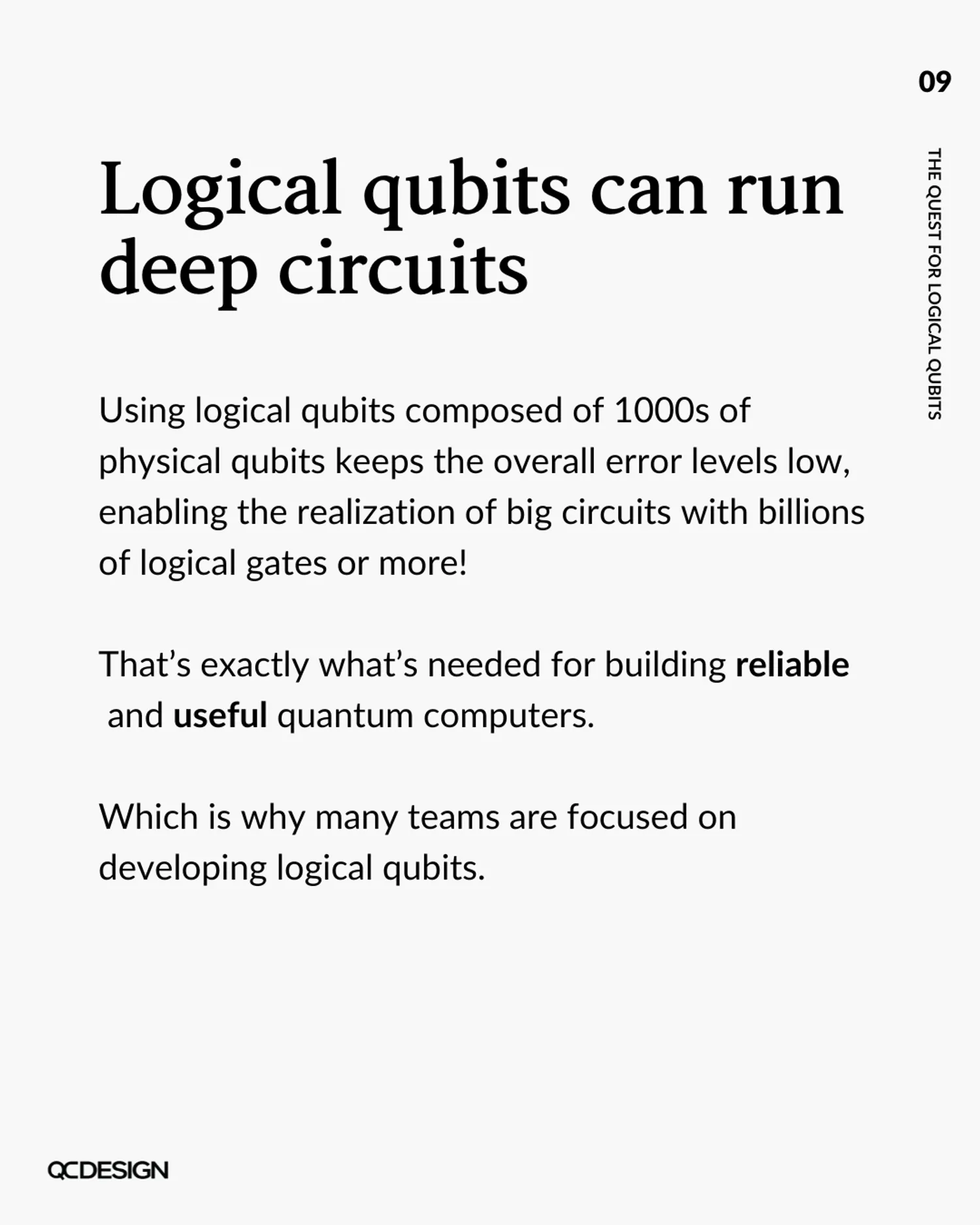
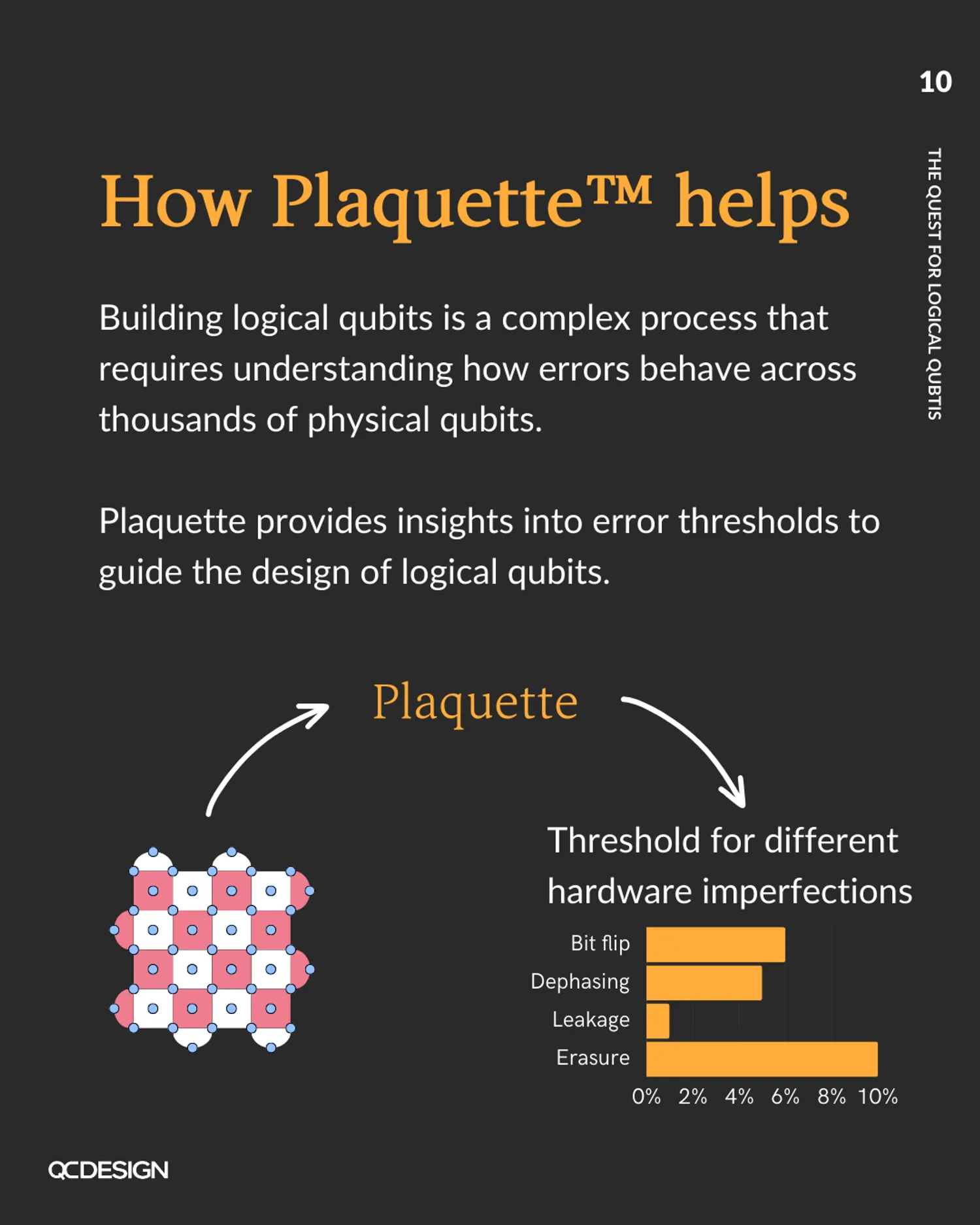
- The quest for logical qubits: Many top QC teams are working on building logical qubits. Why?
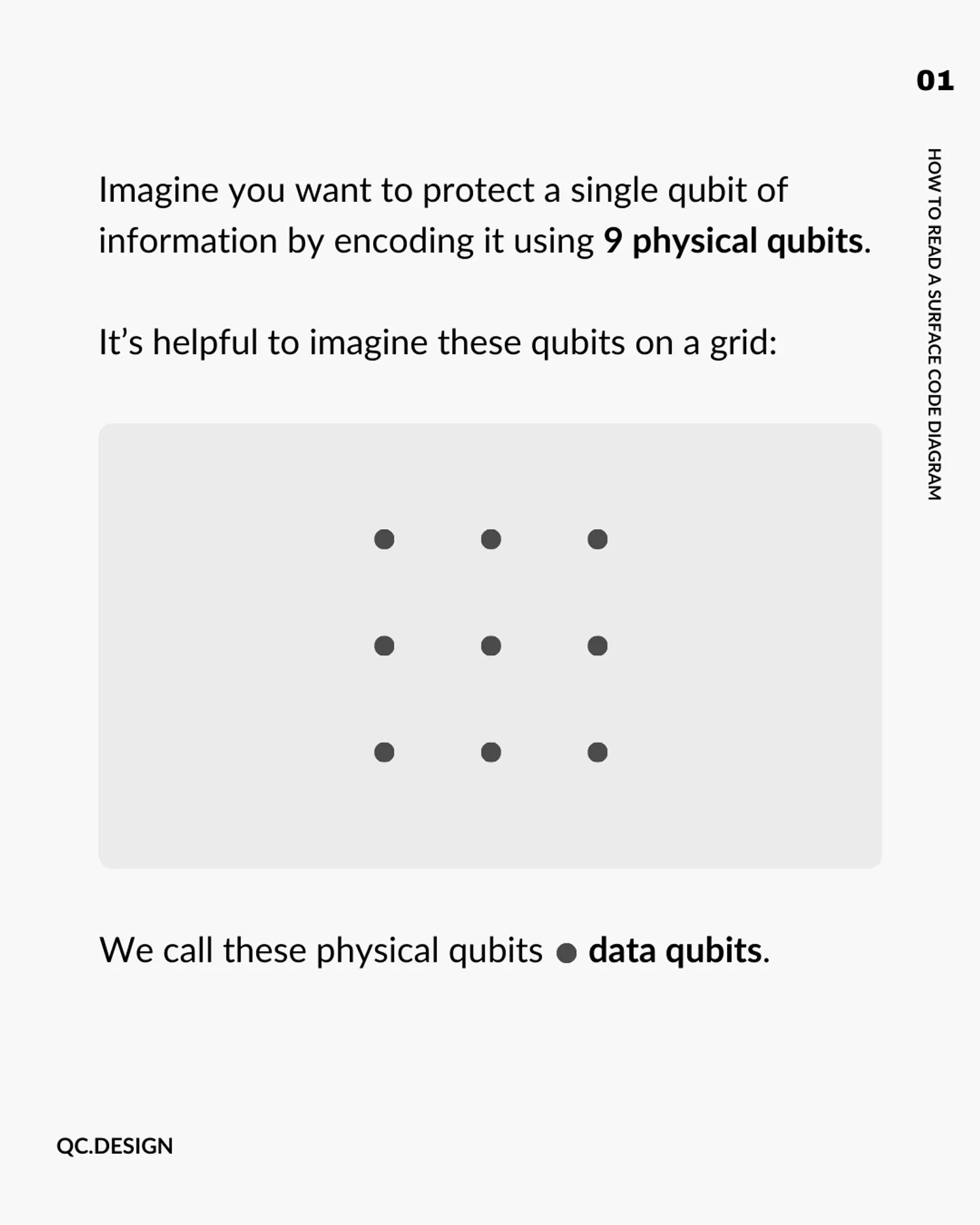
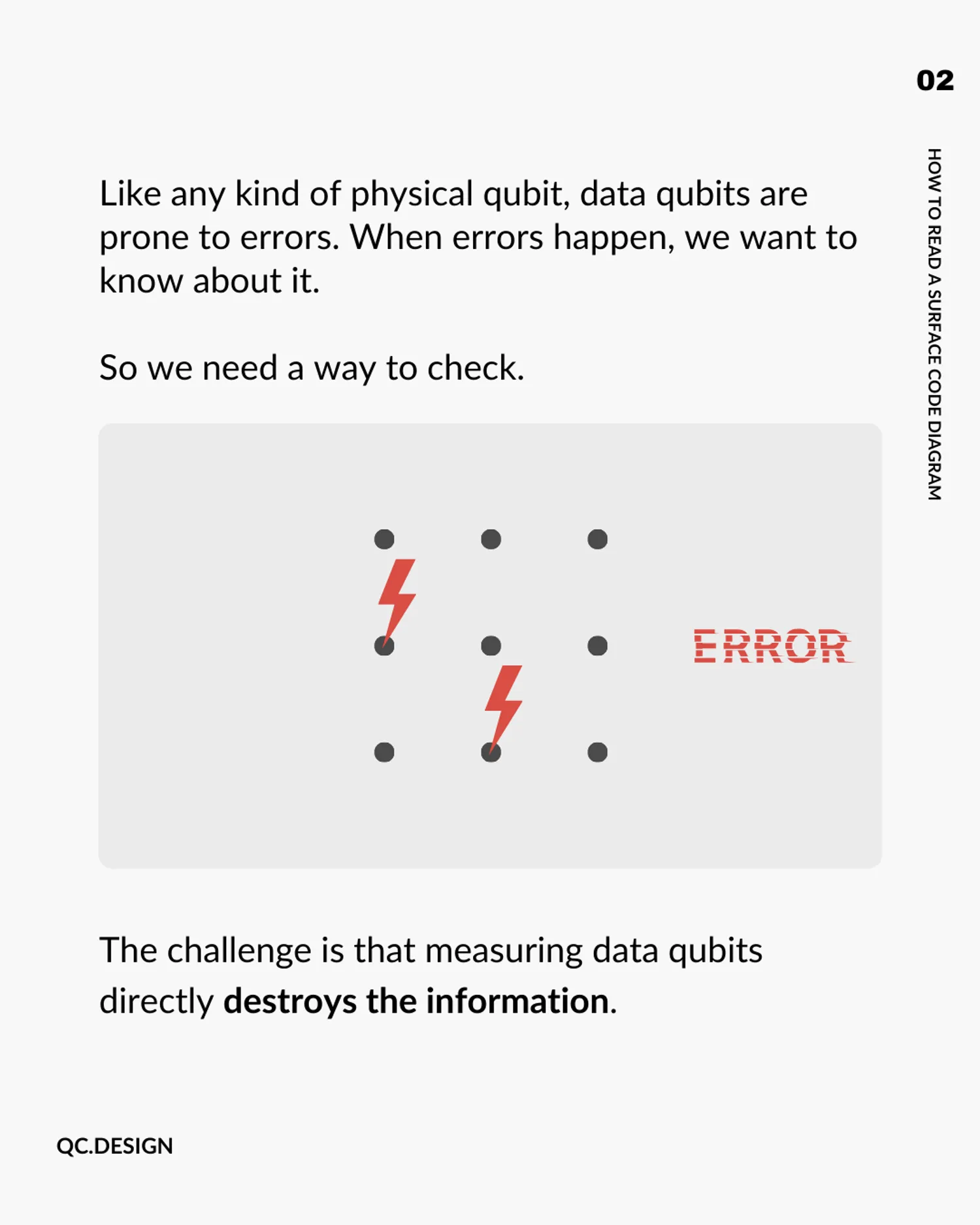
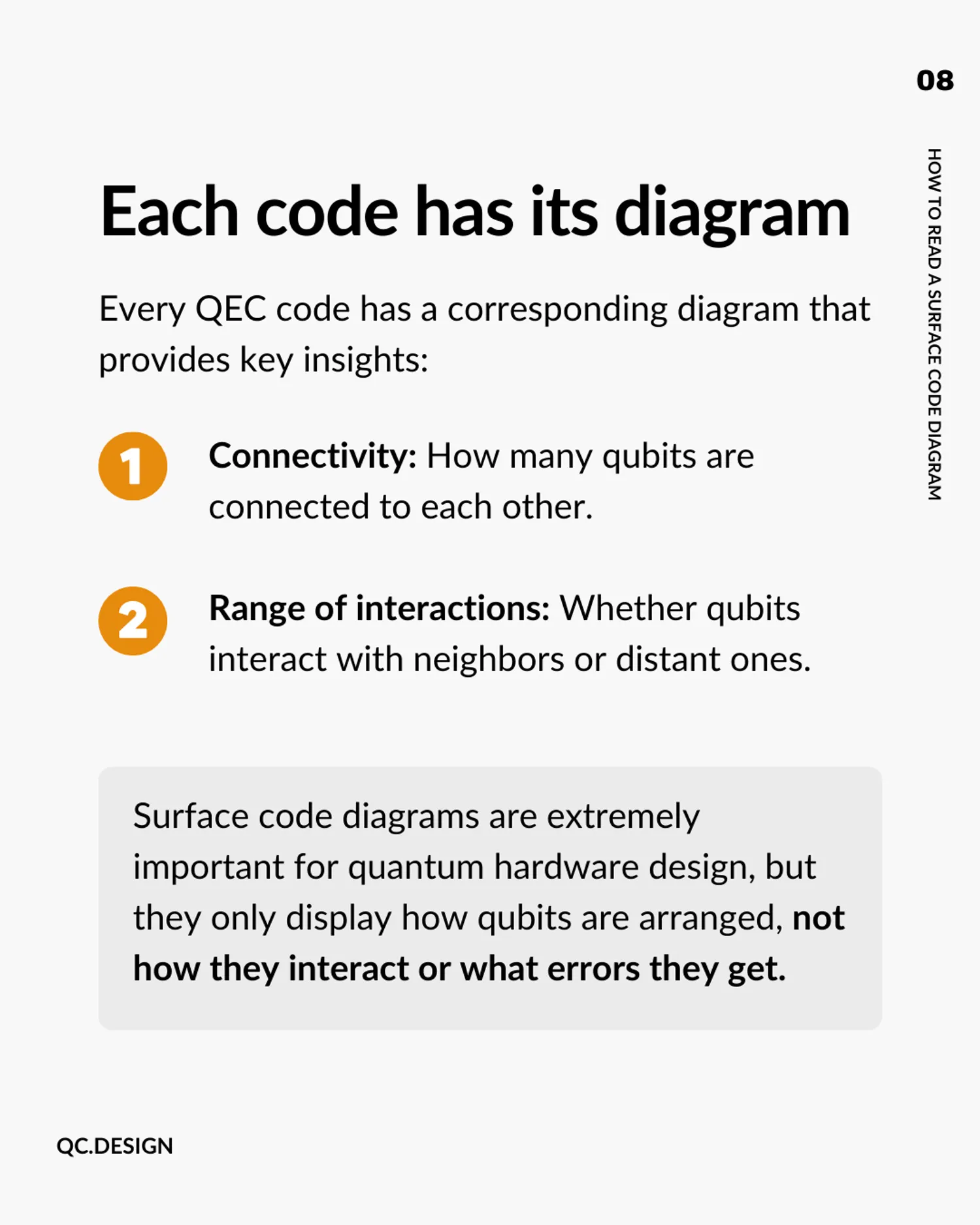
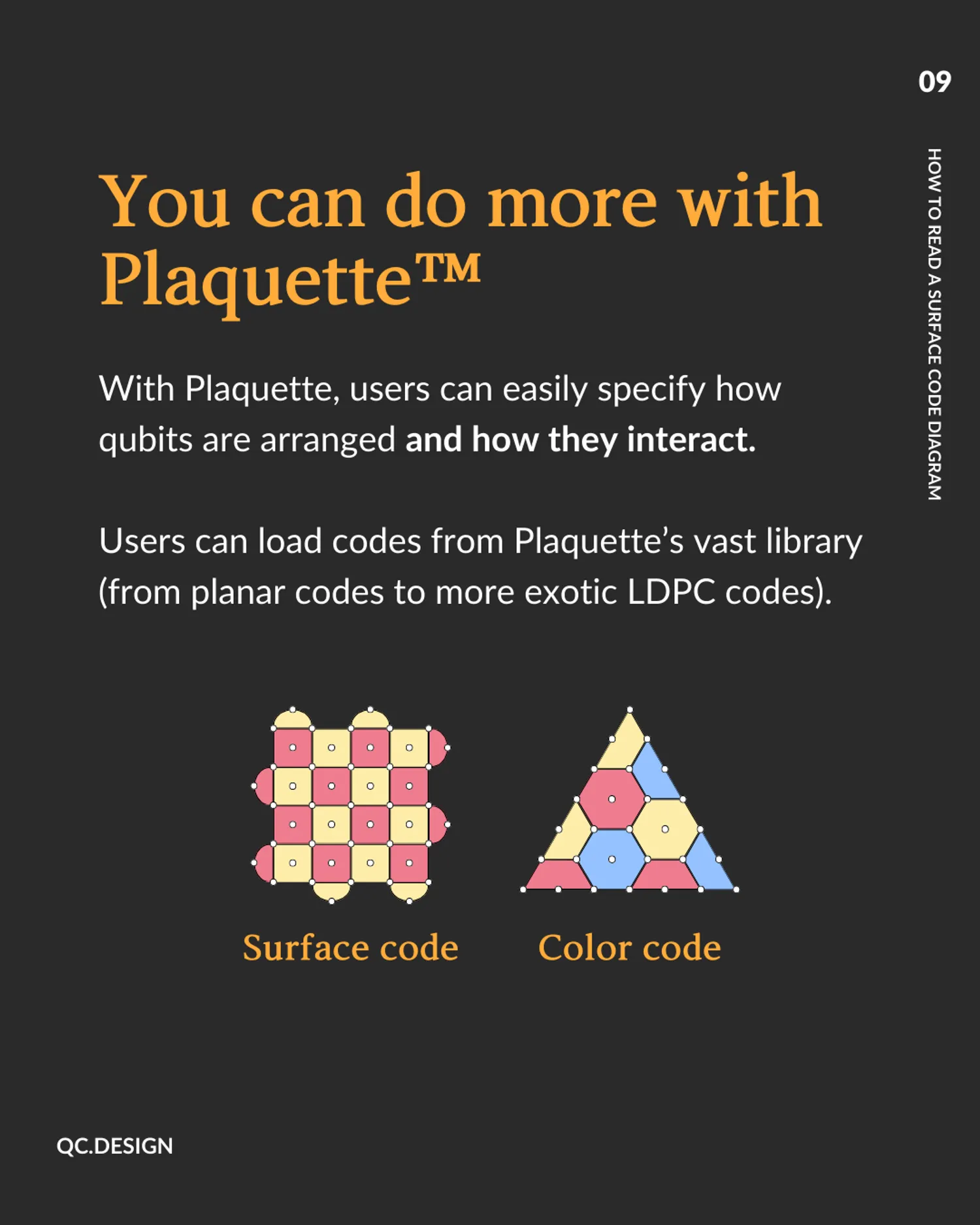
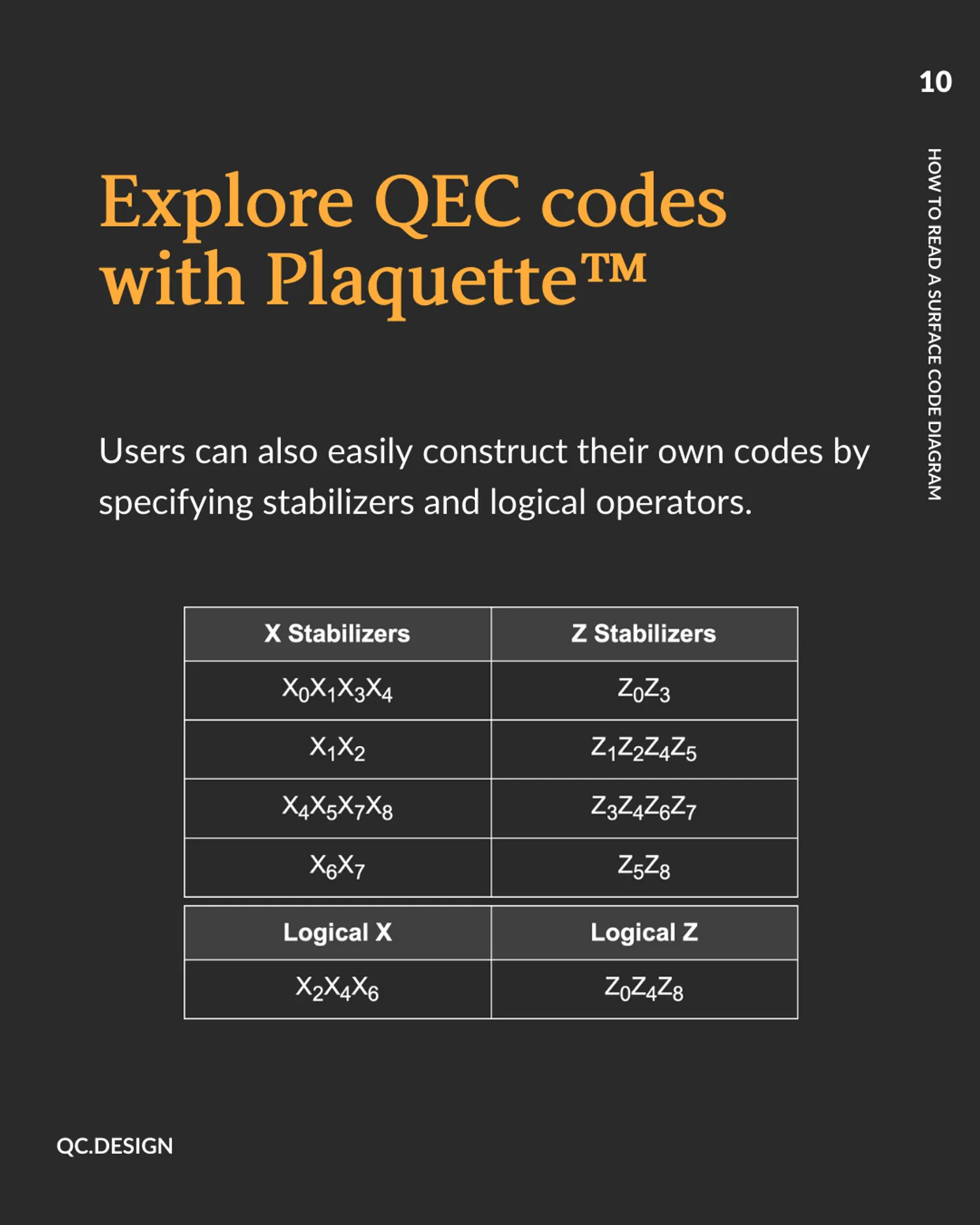
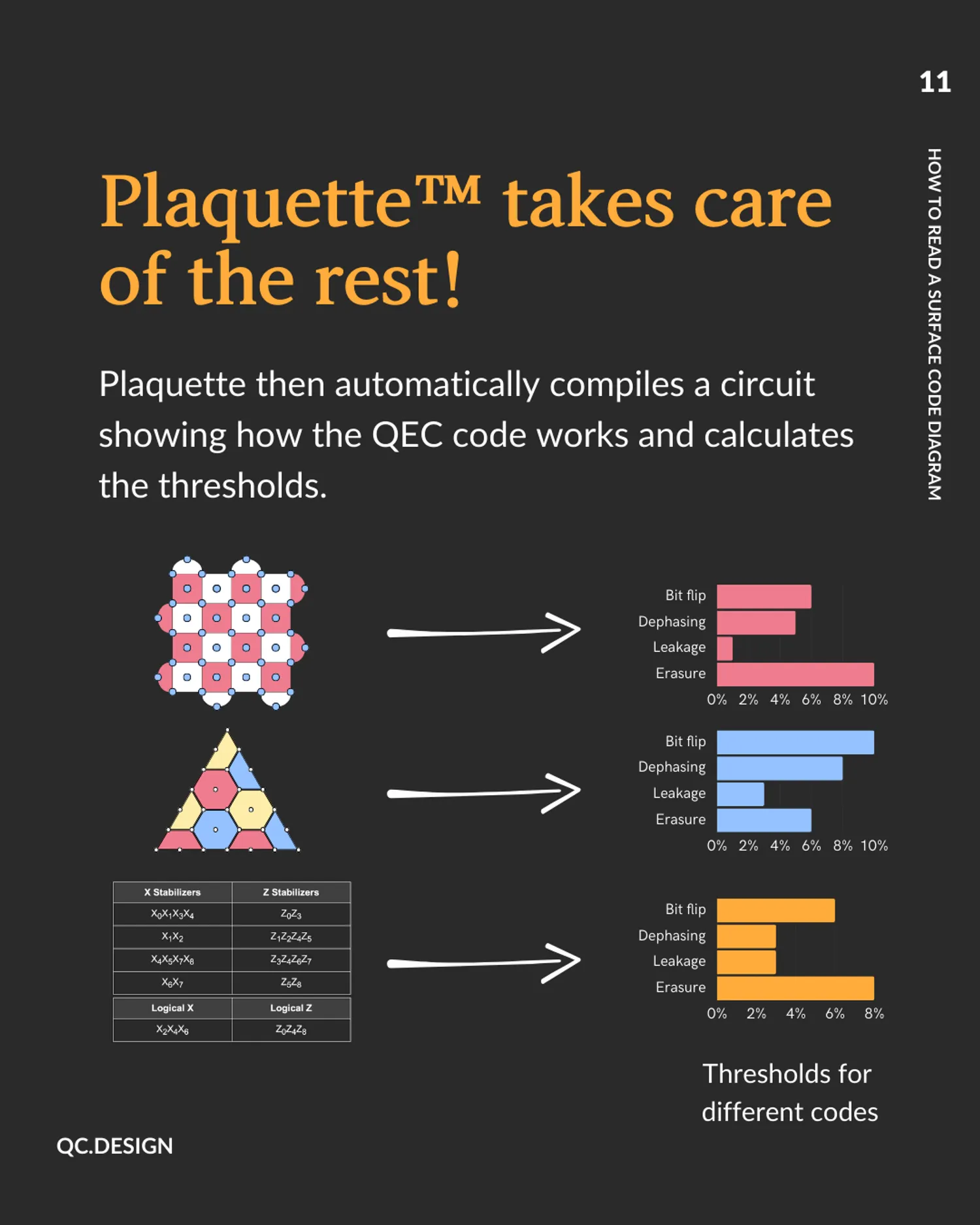
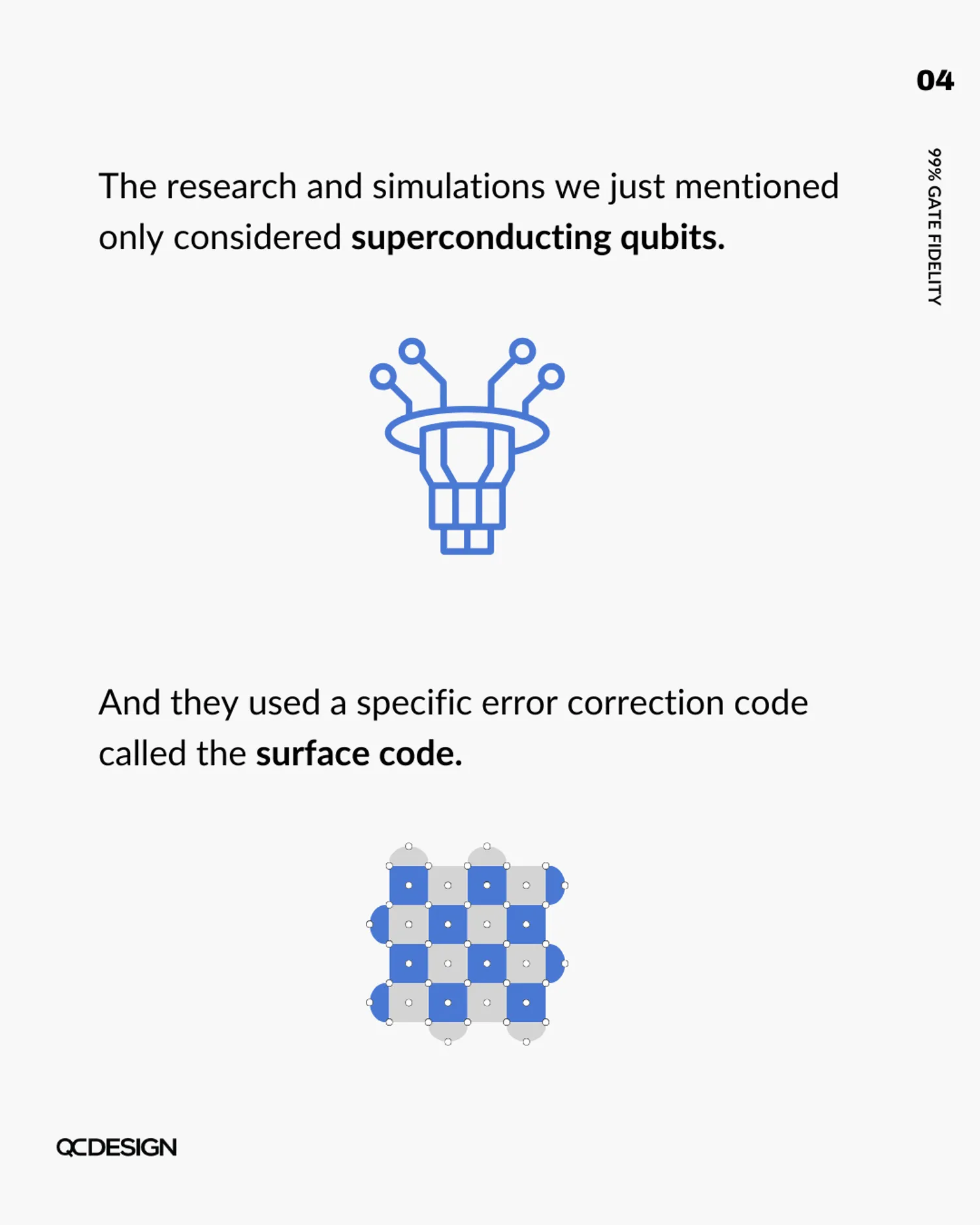
- How to Read a Surface Code Diagram: Understanding the components and what they mean for error correction.
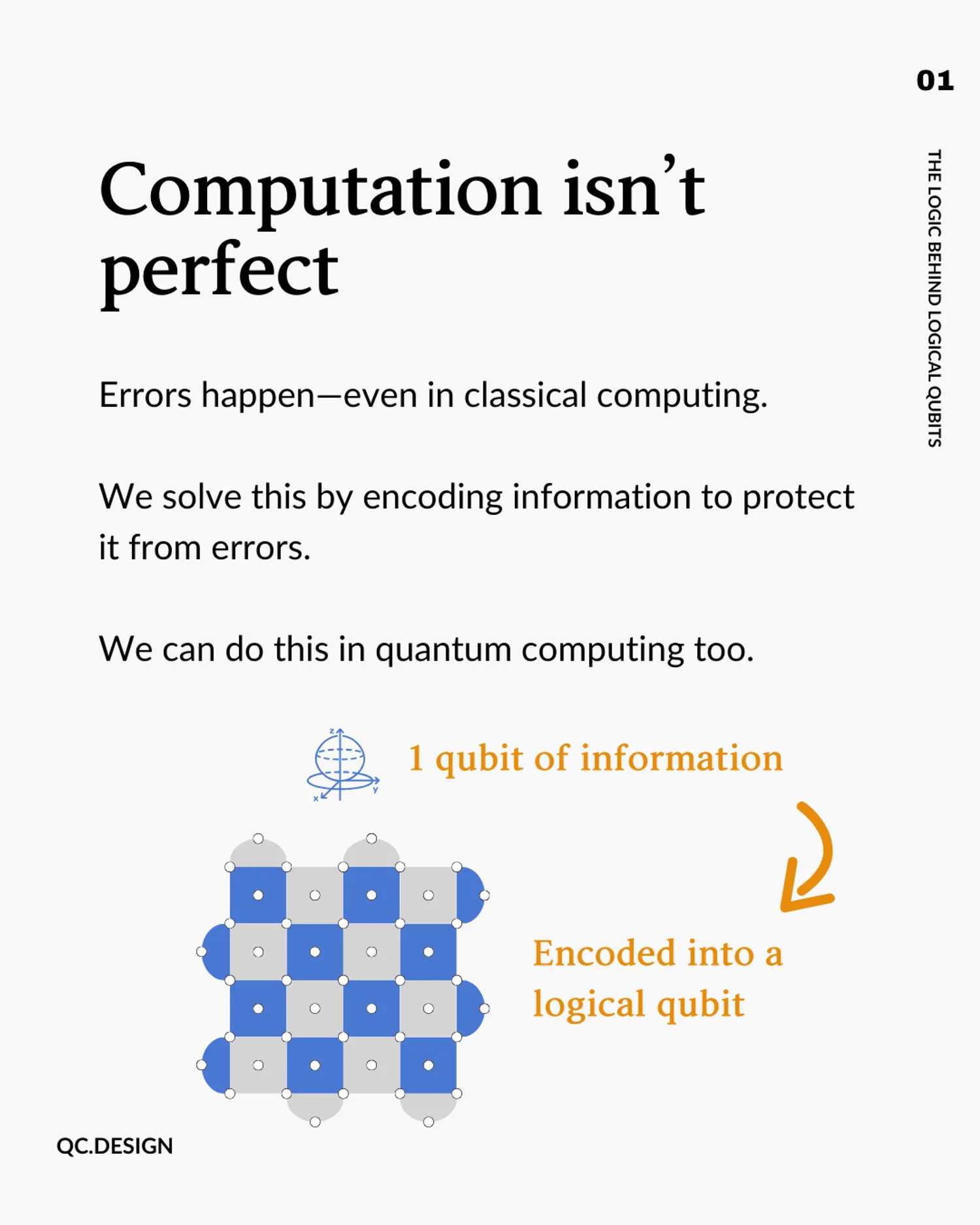
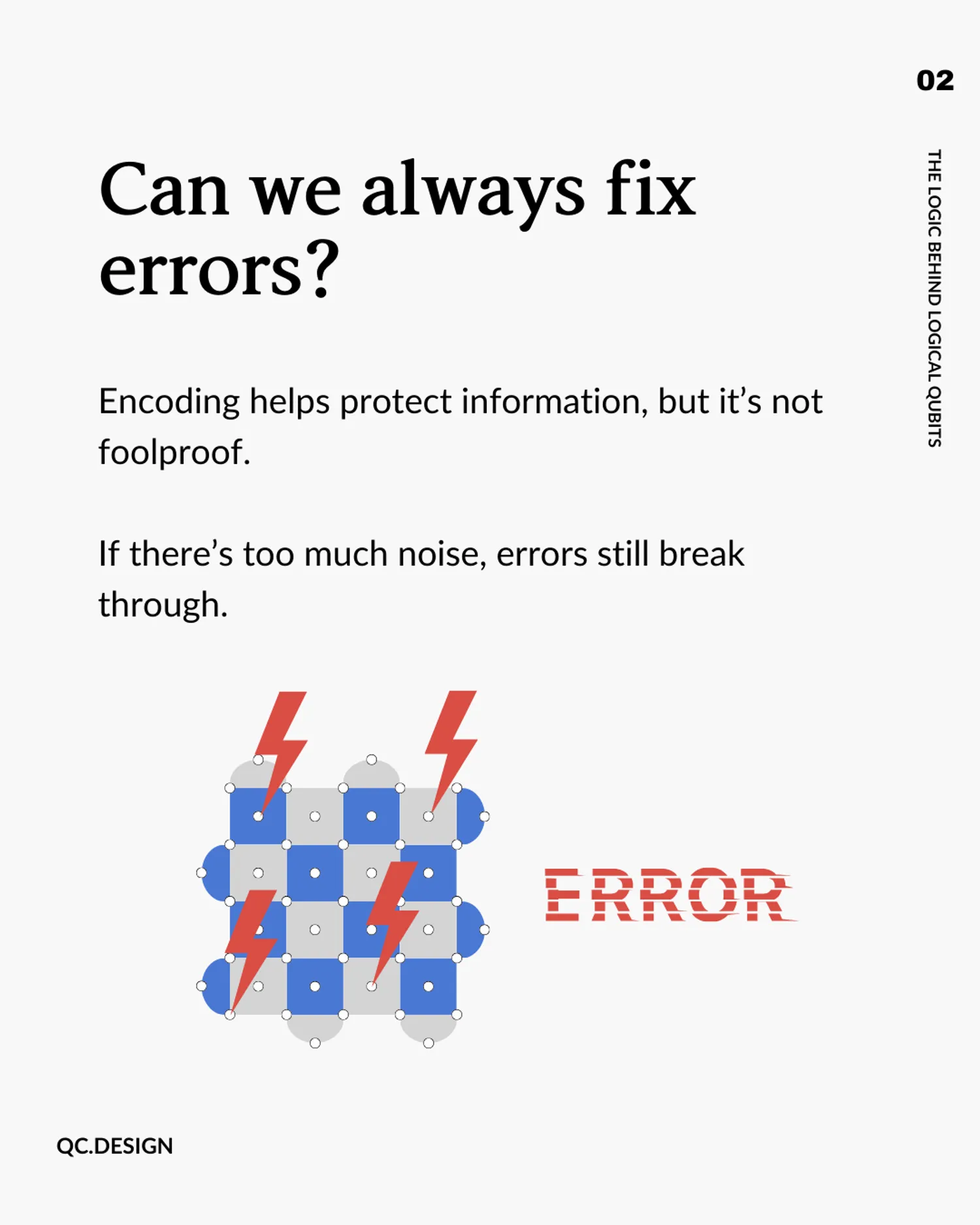
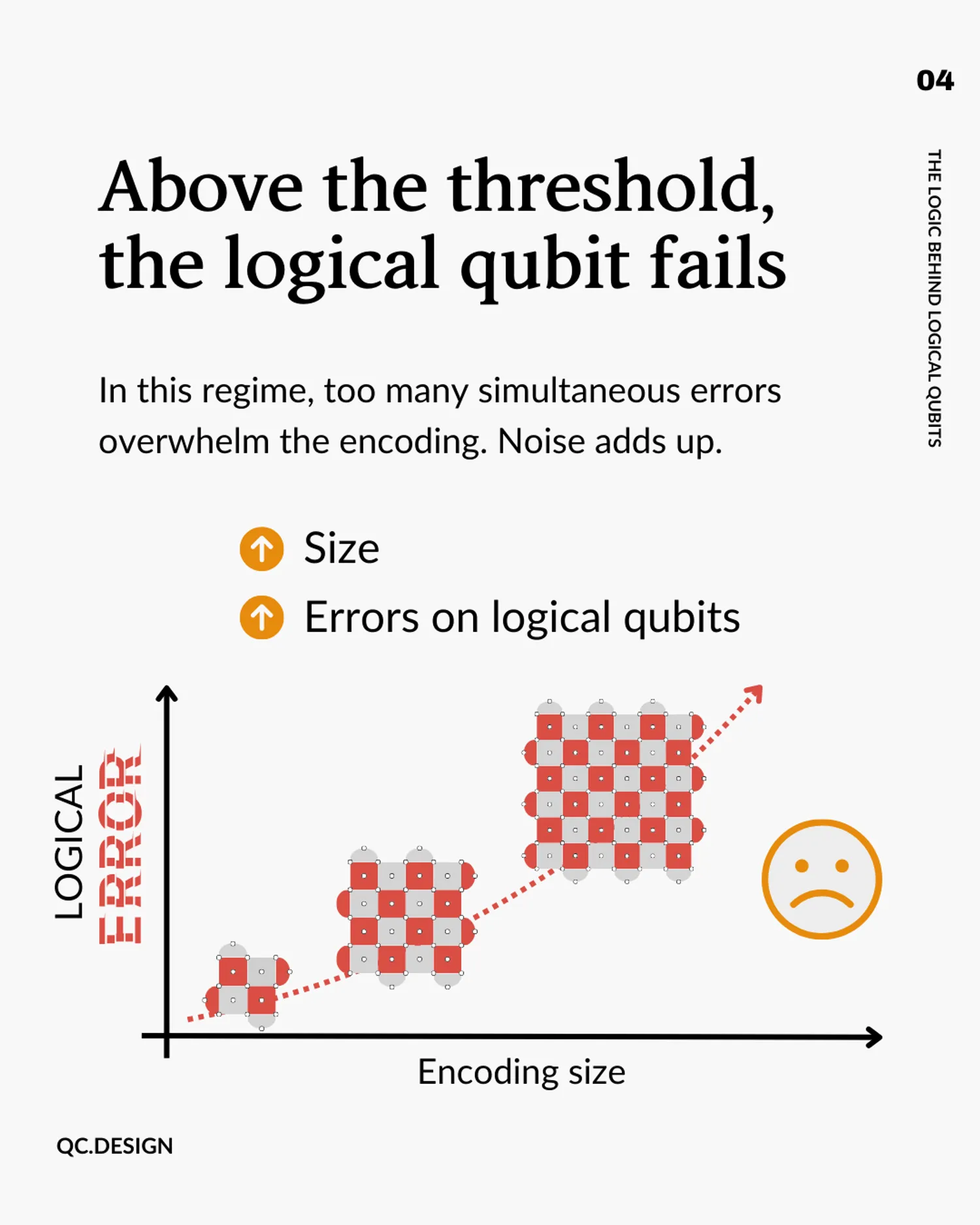
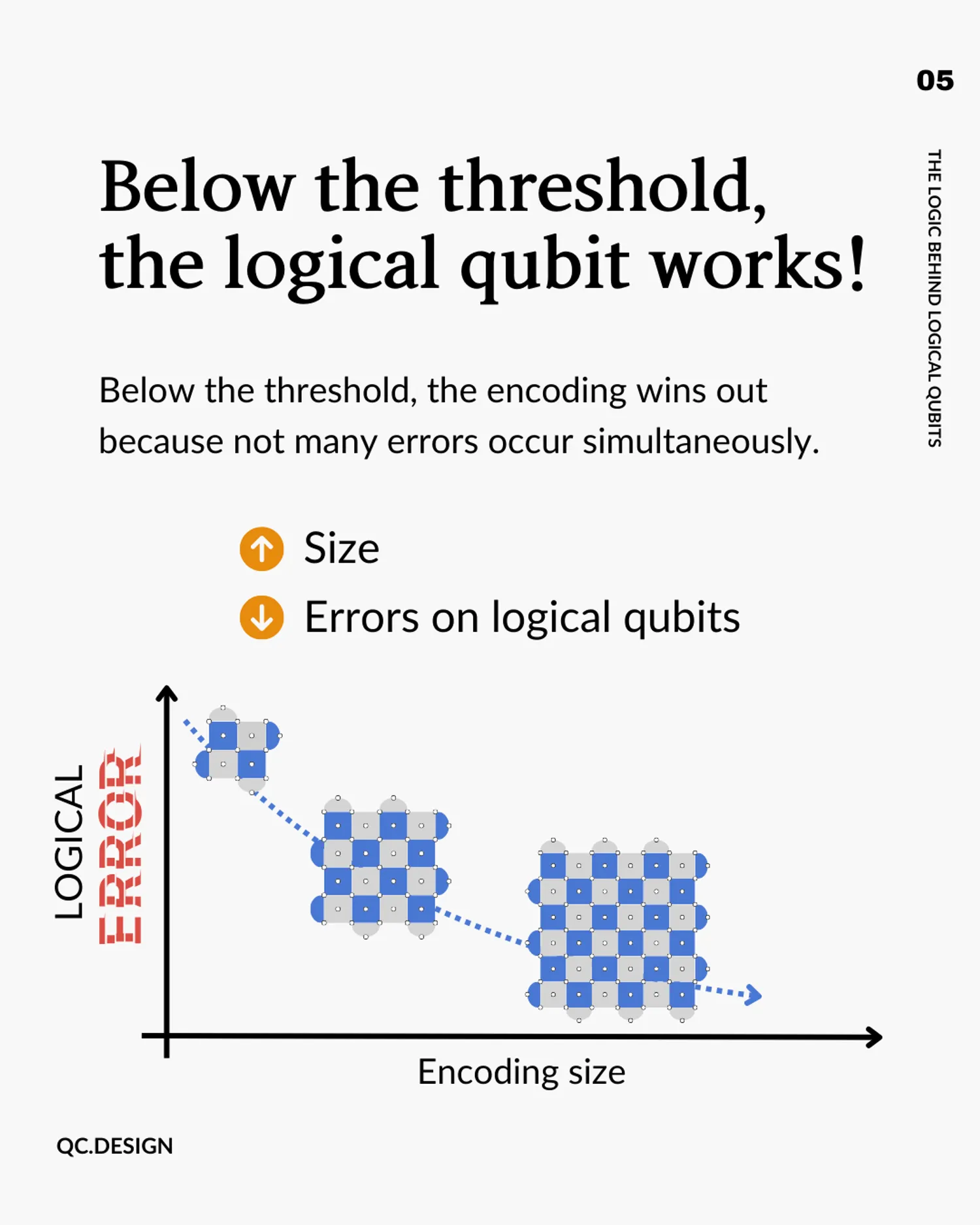
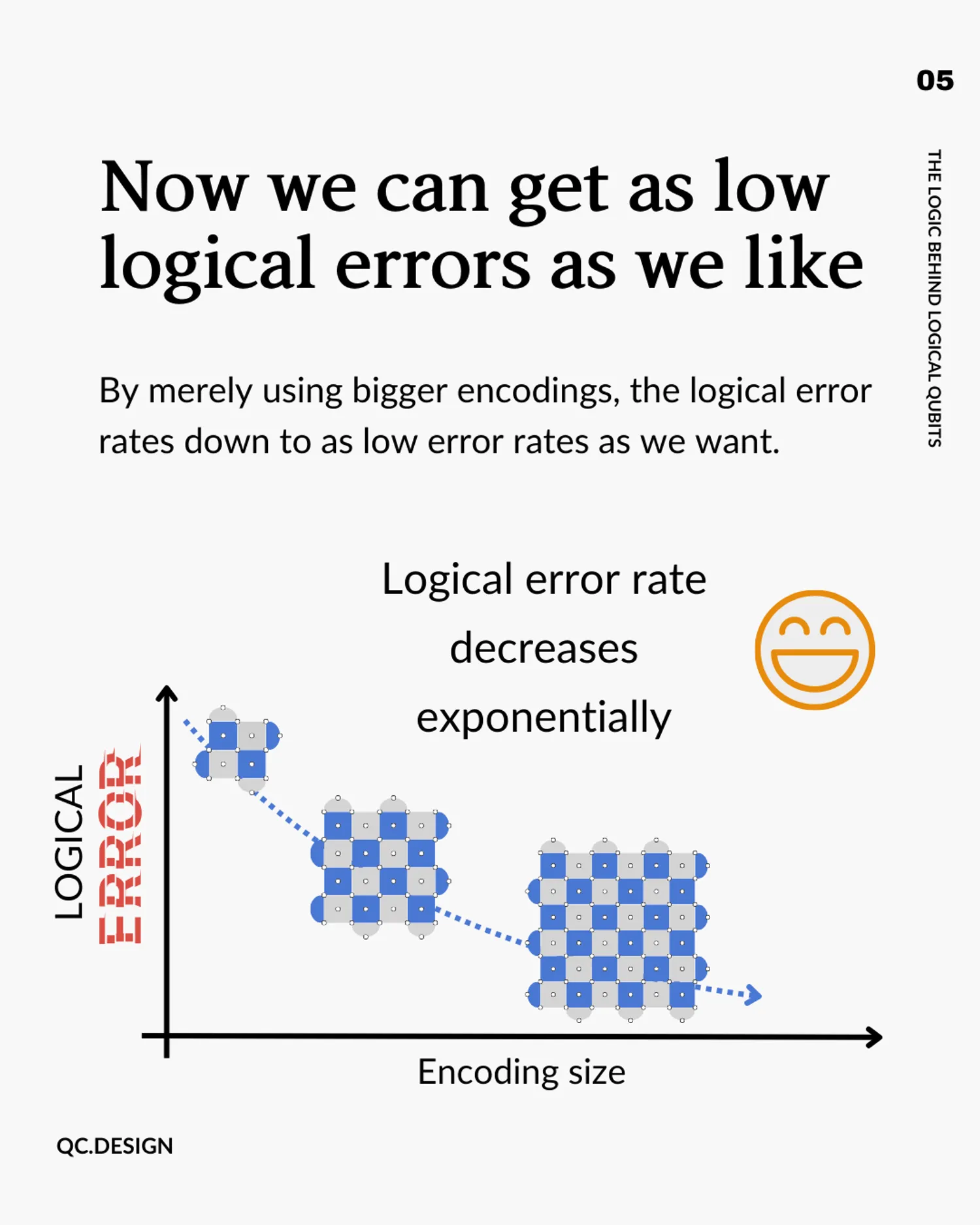
- The logic behind logical qubits: How logical qubits get us to near-perfect quantum computing.
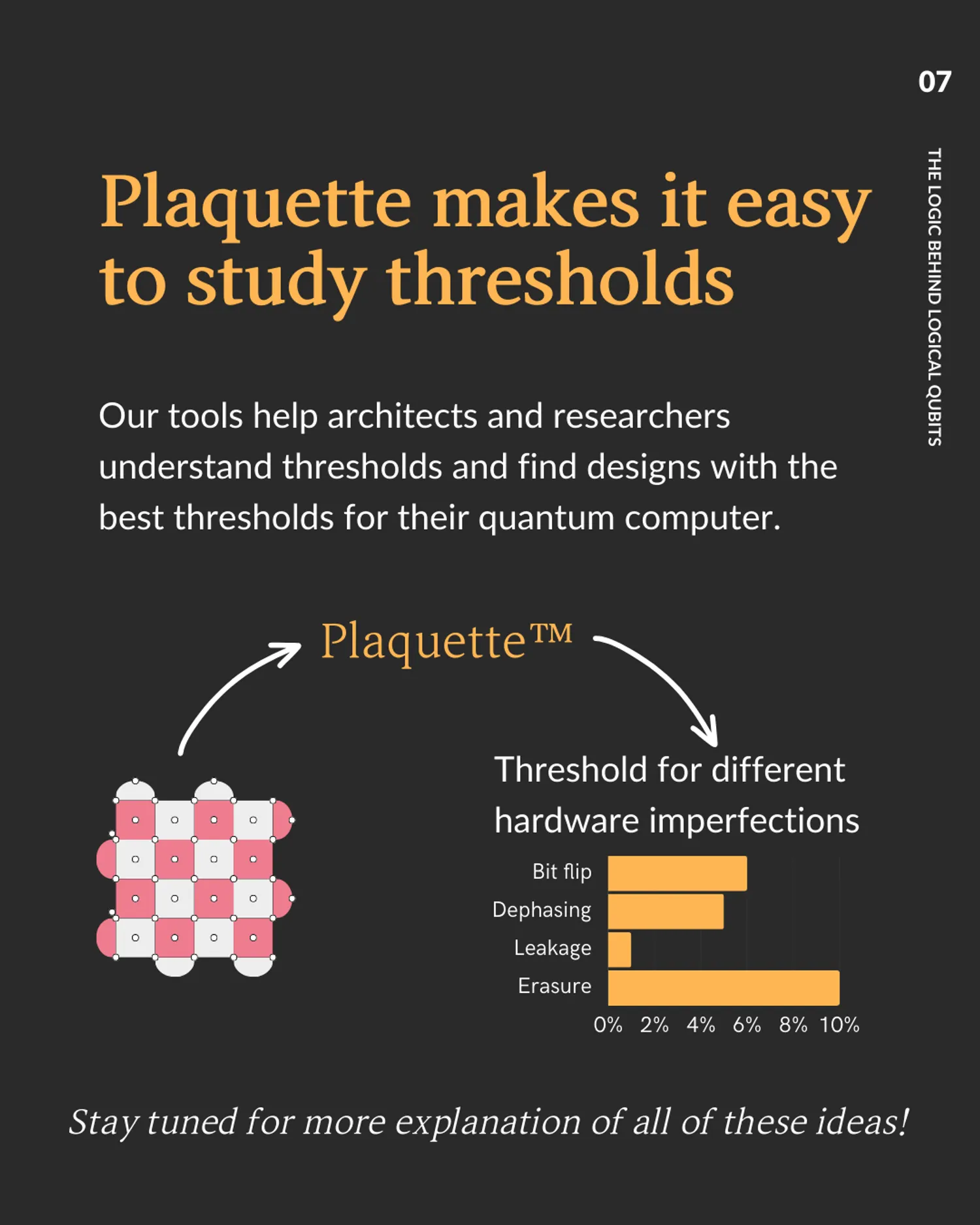
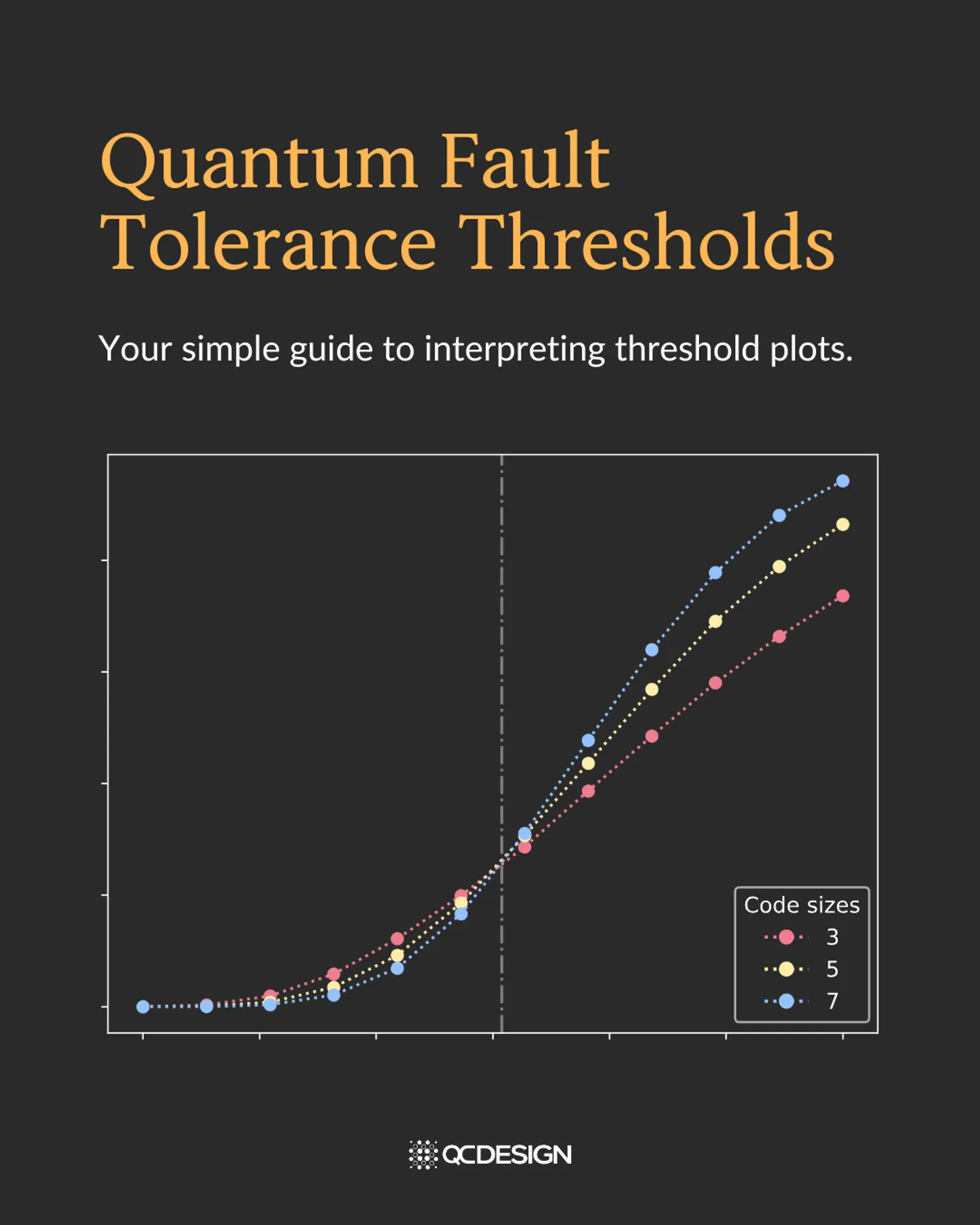
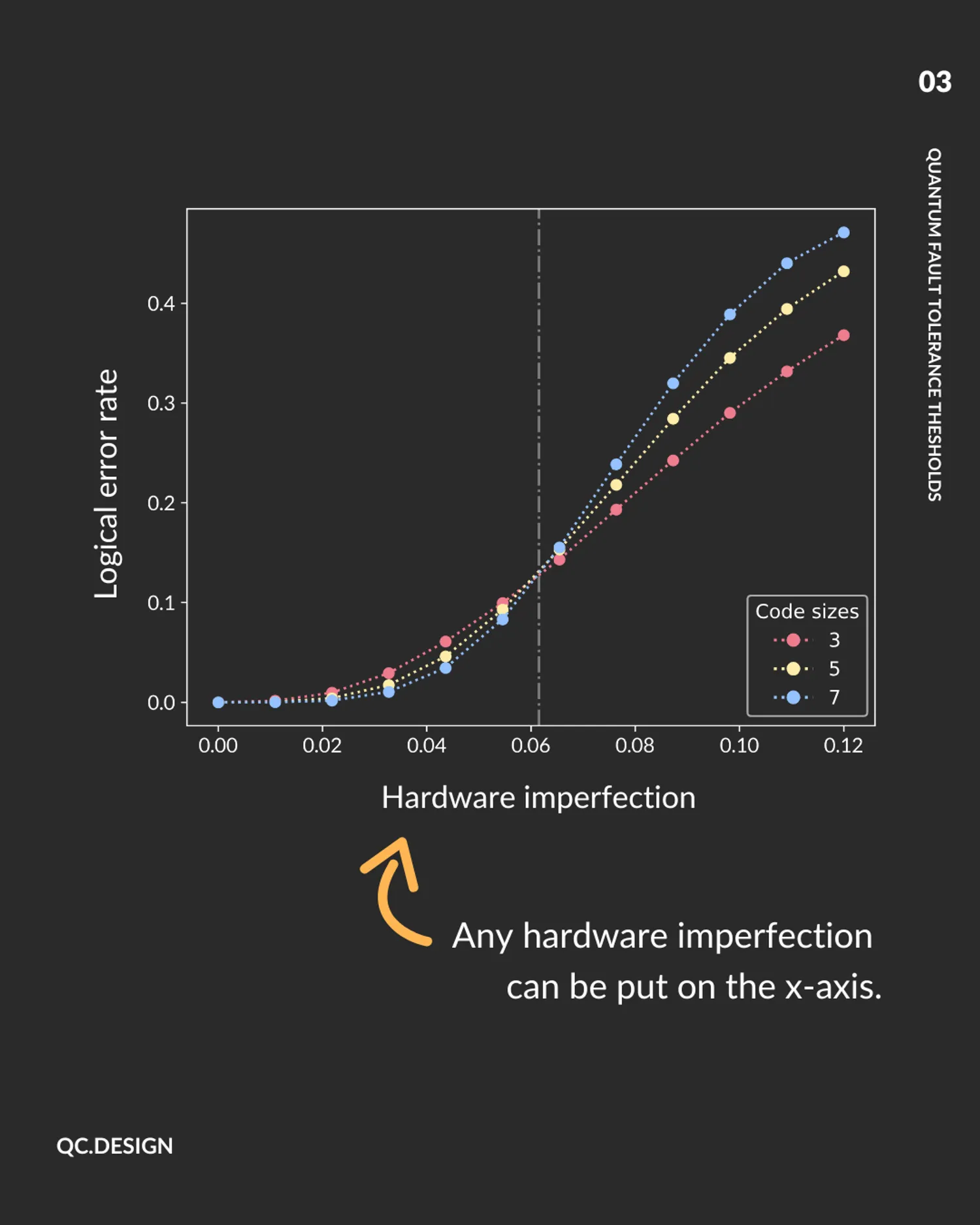
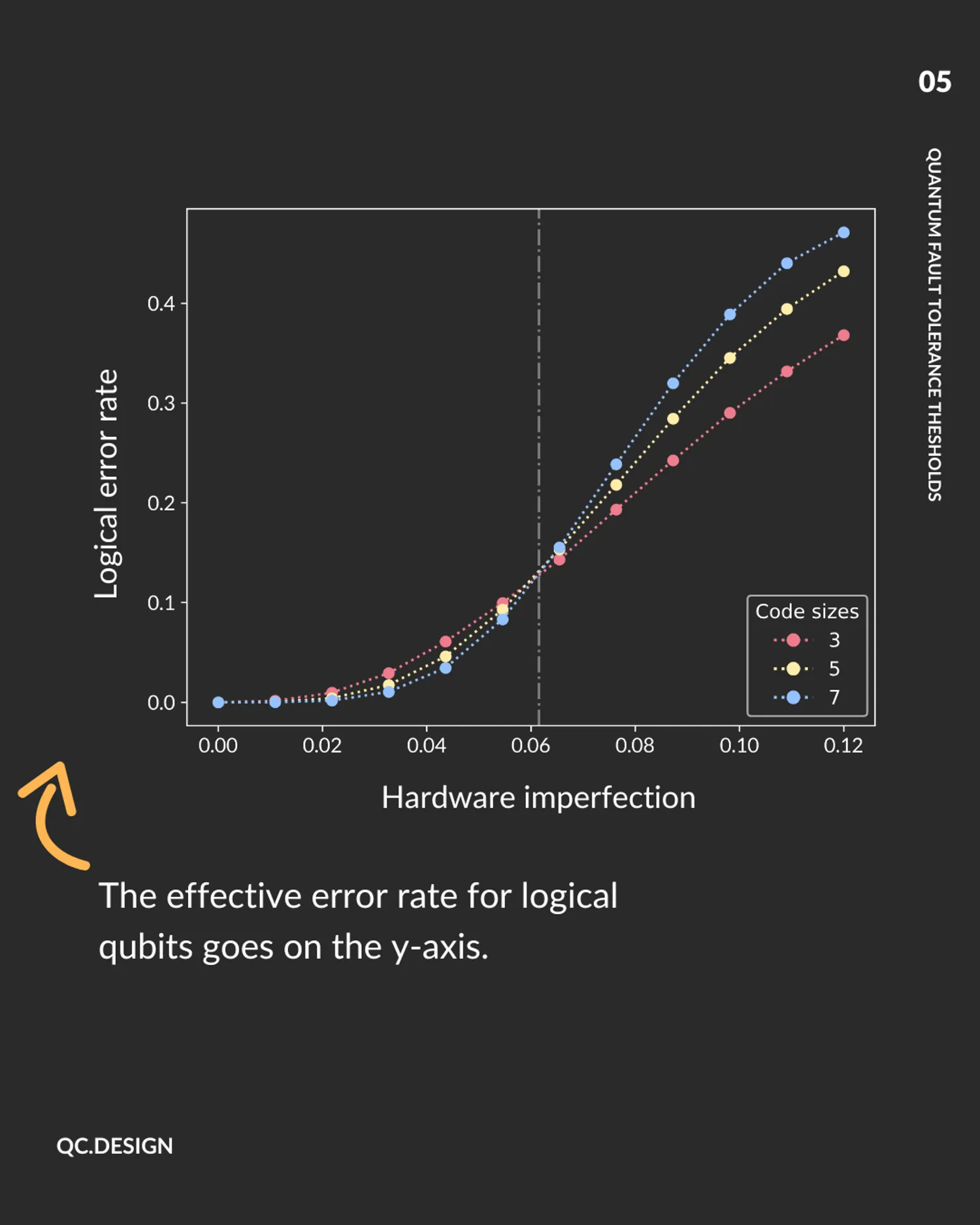
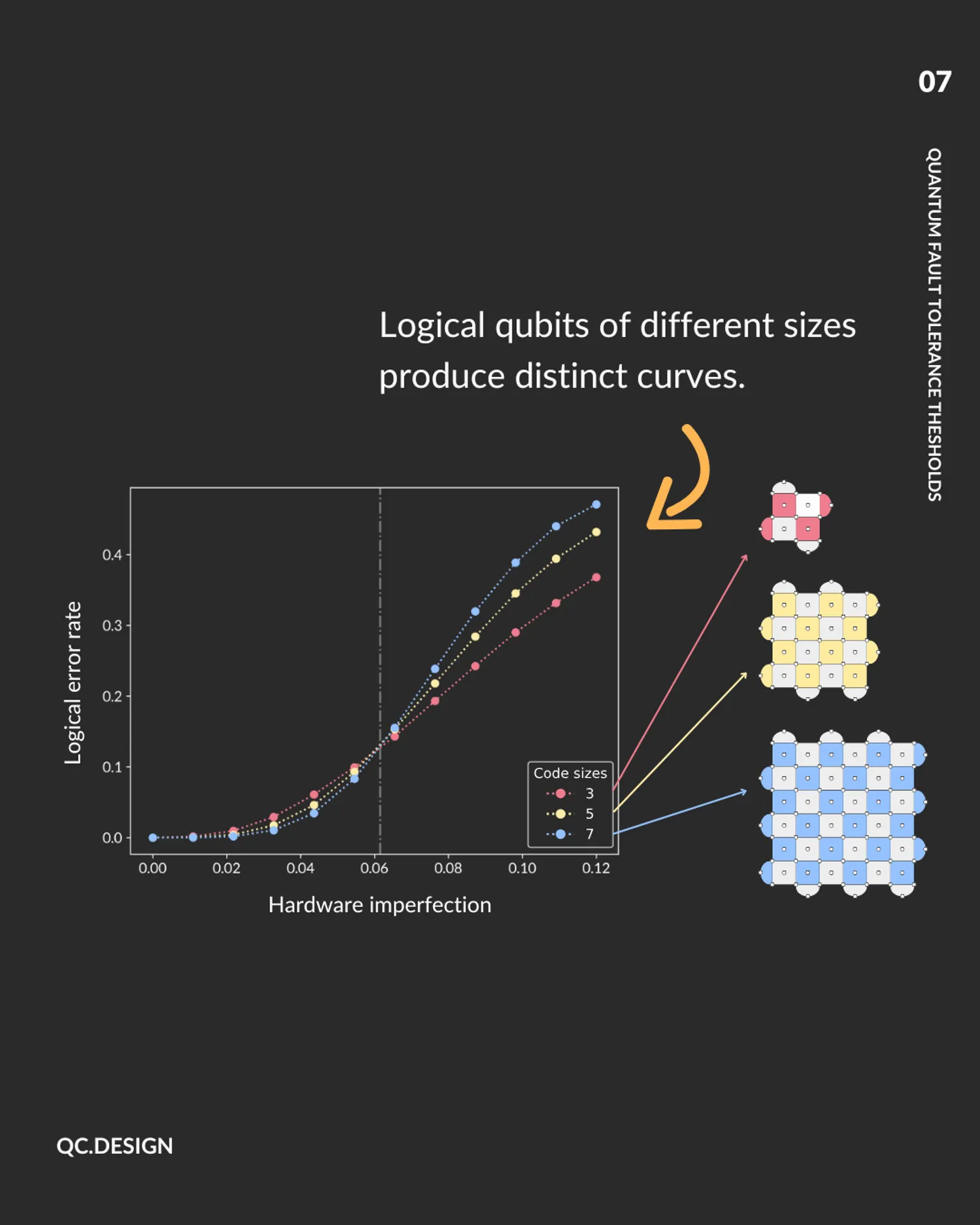
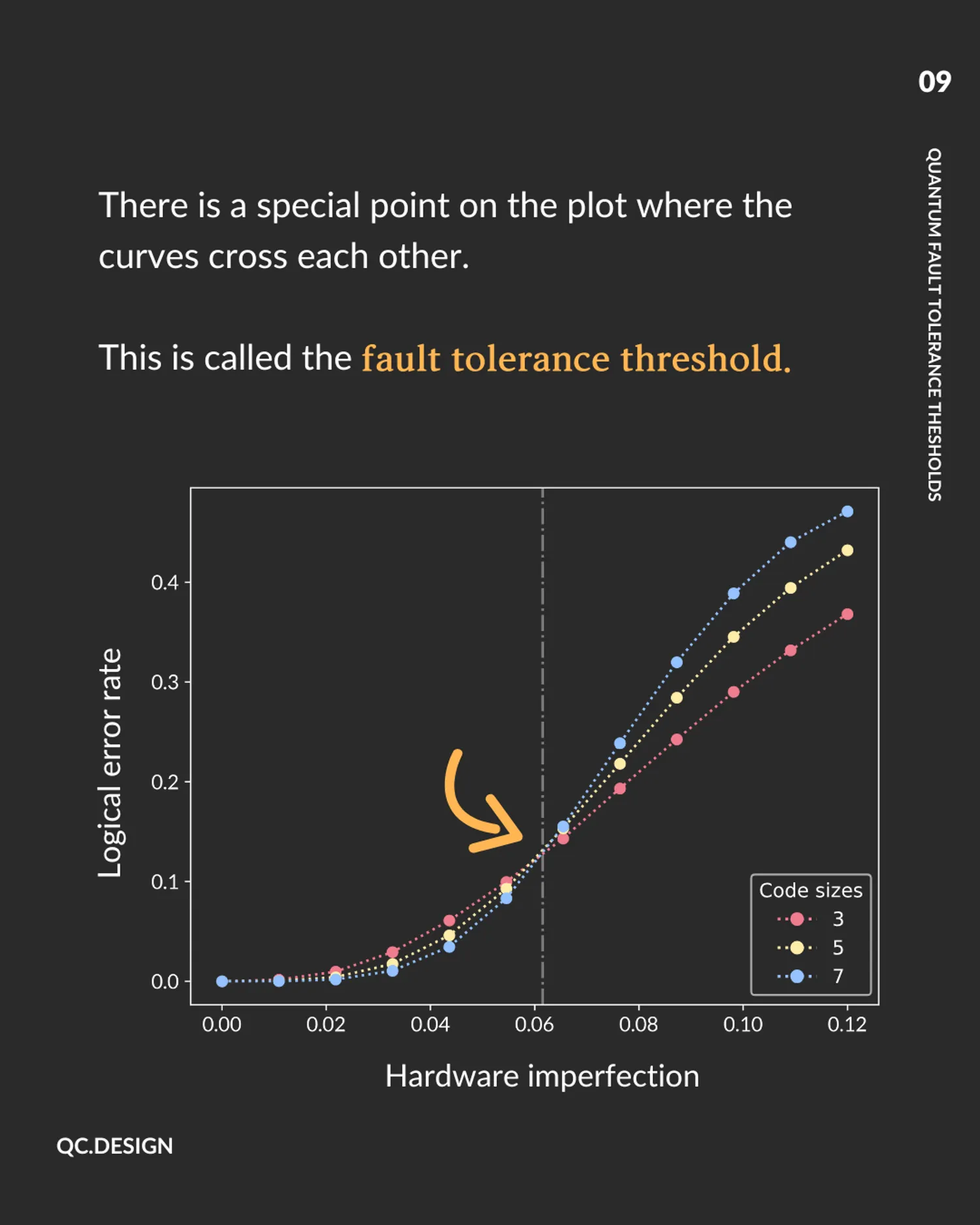
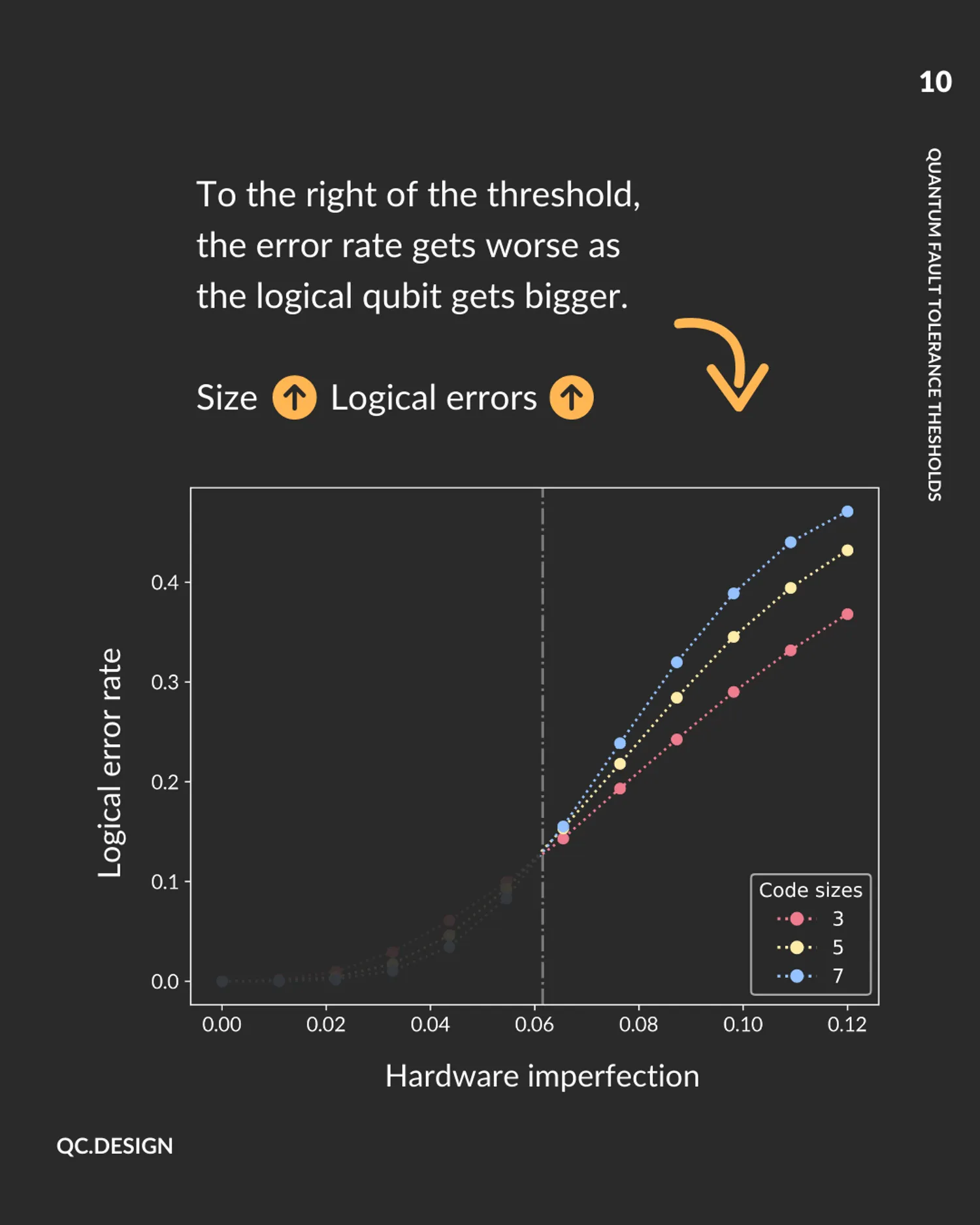
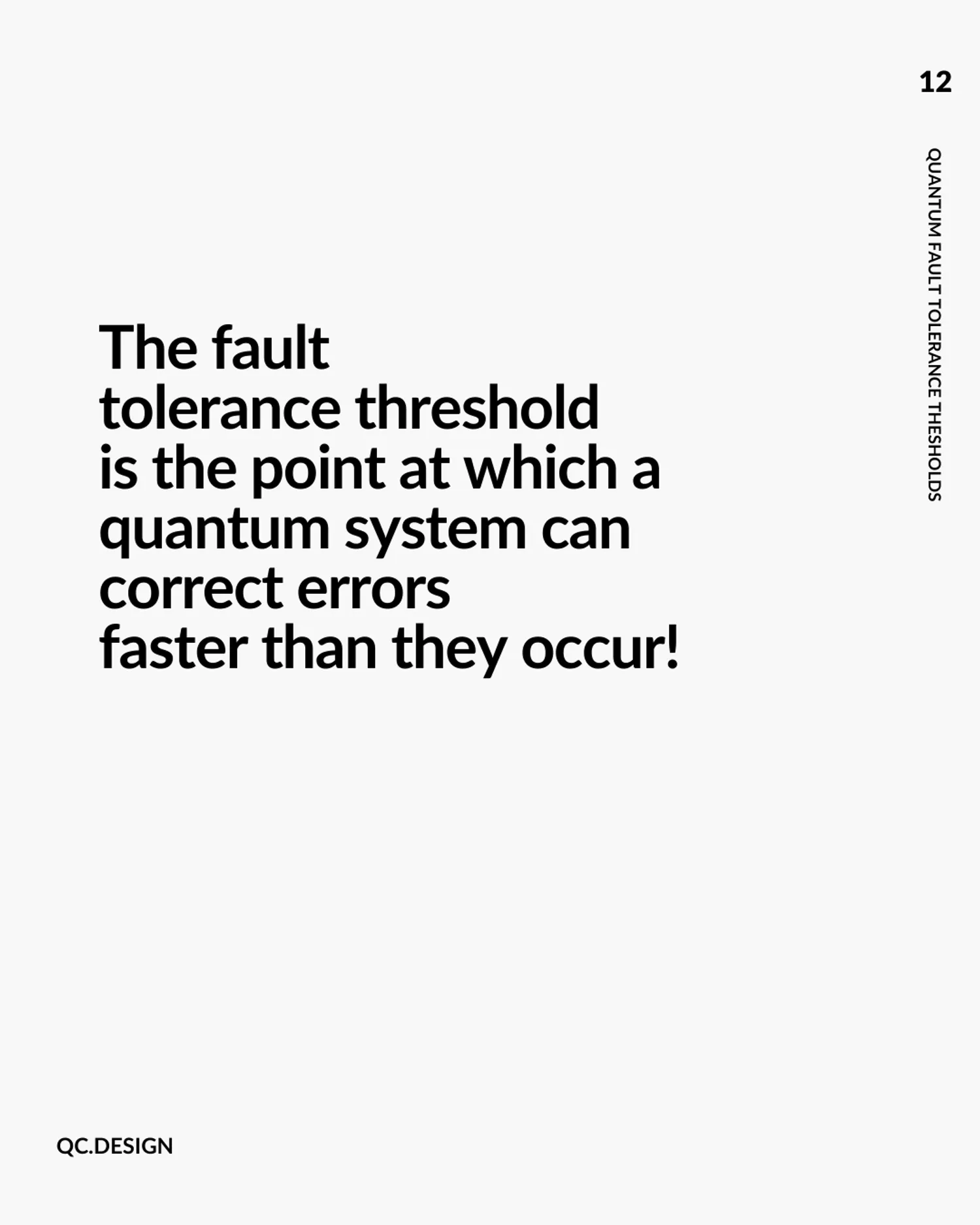
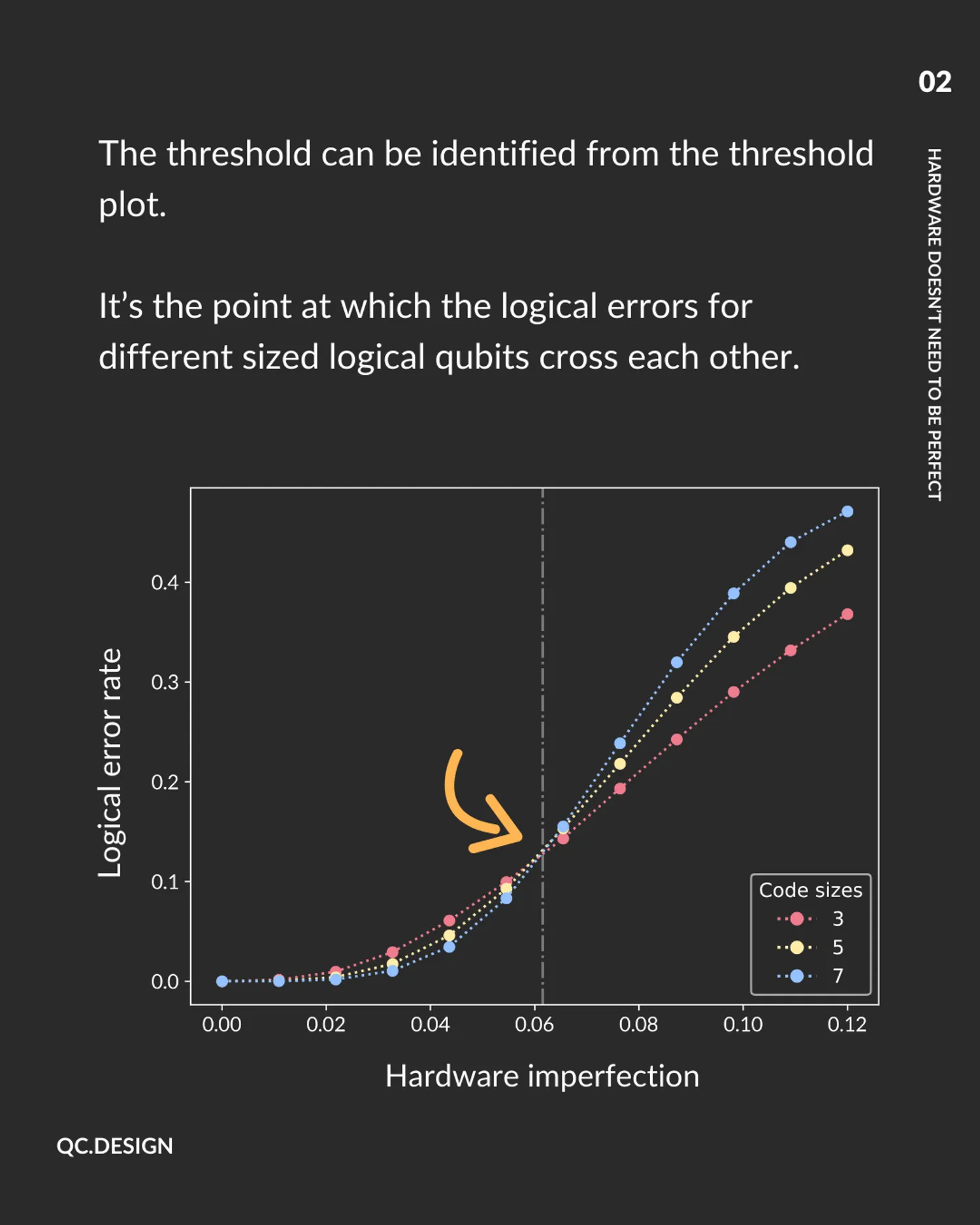
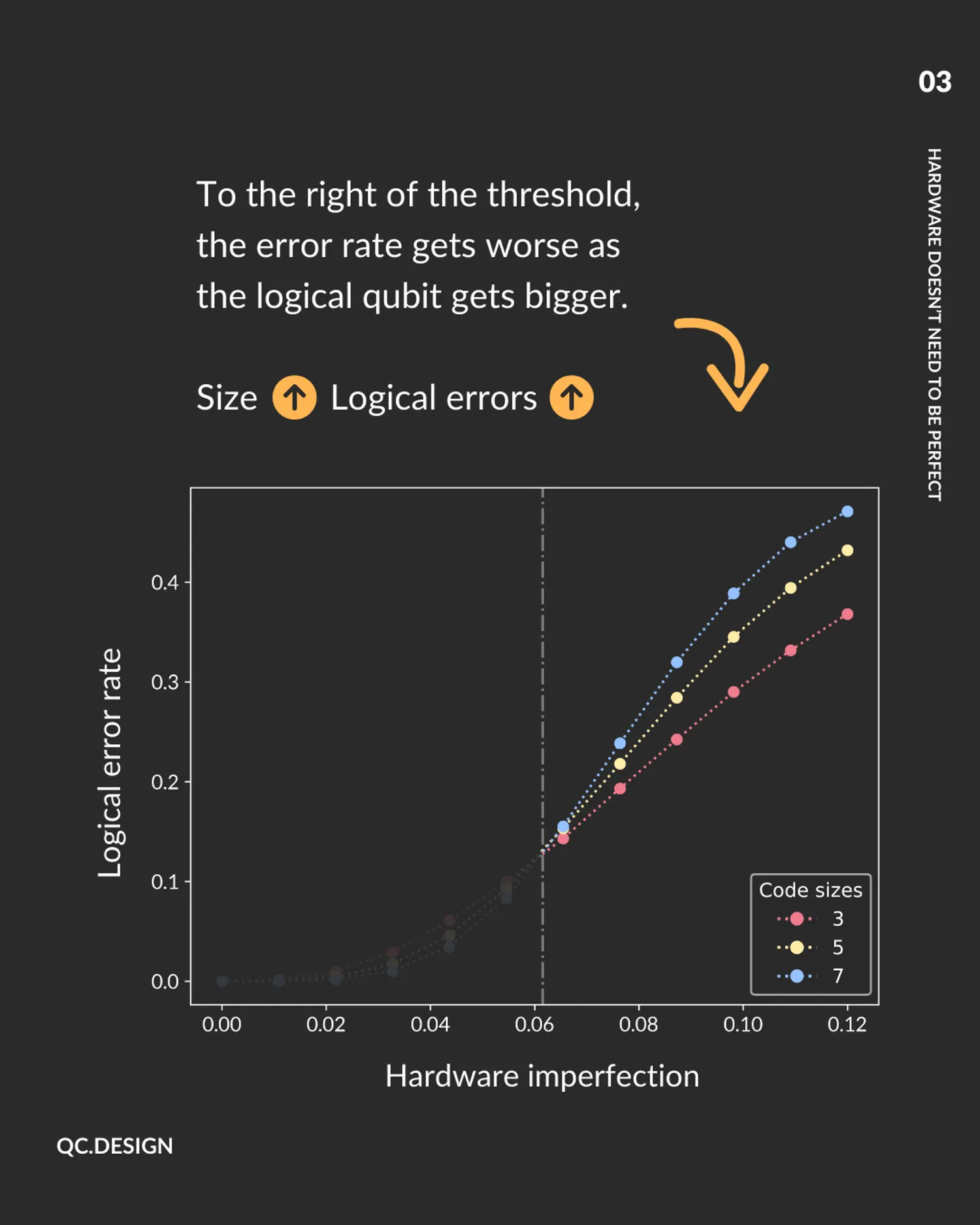
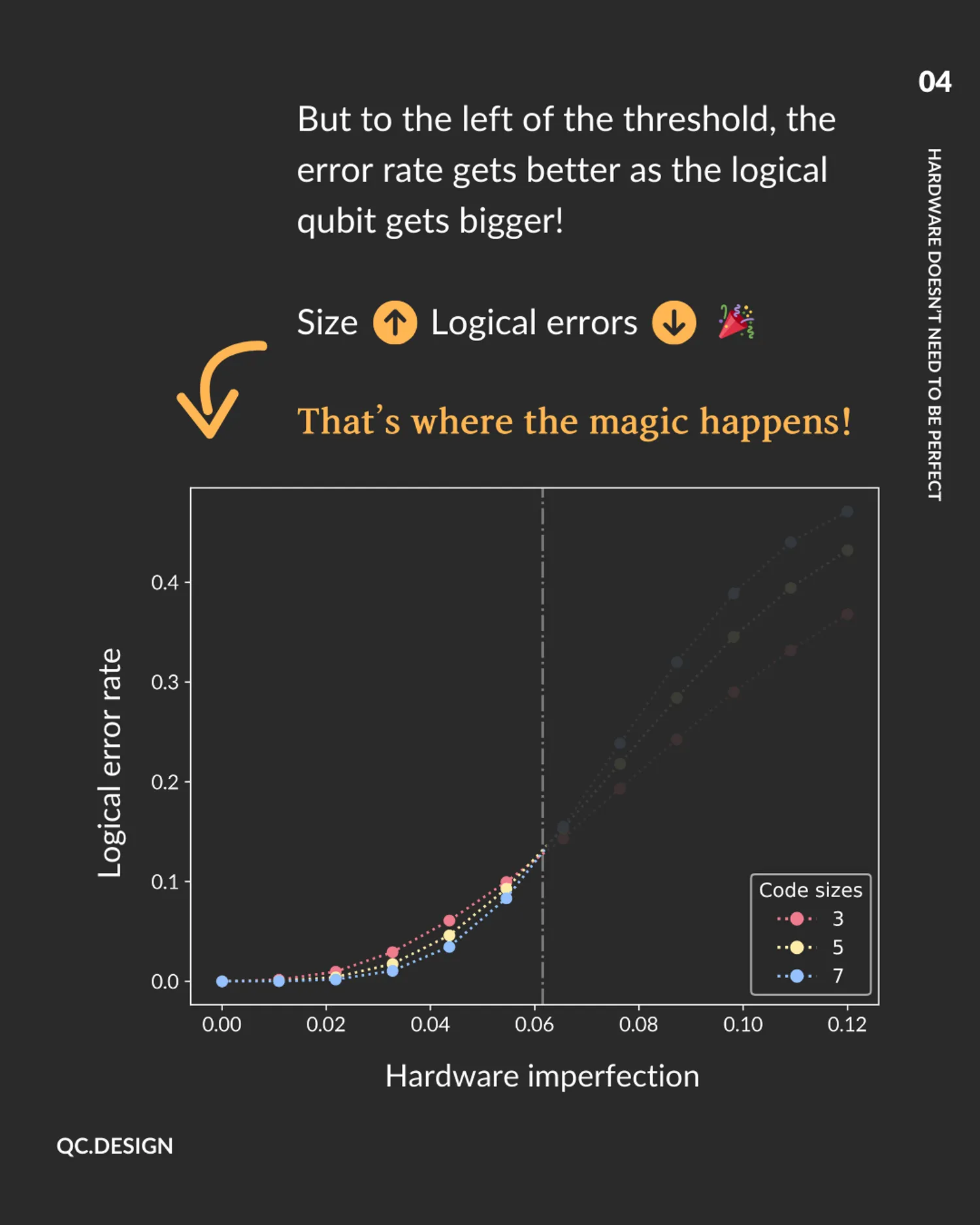
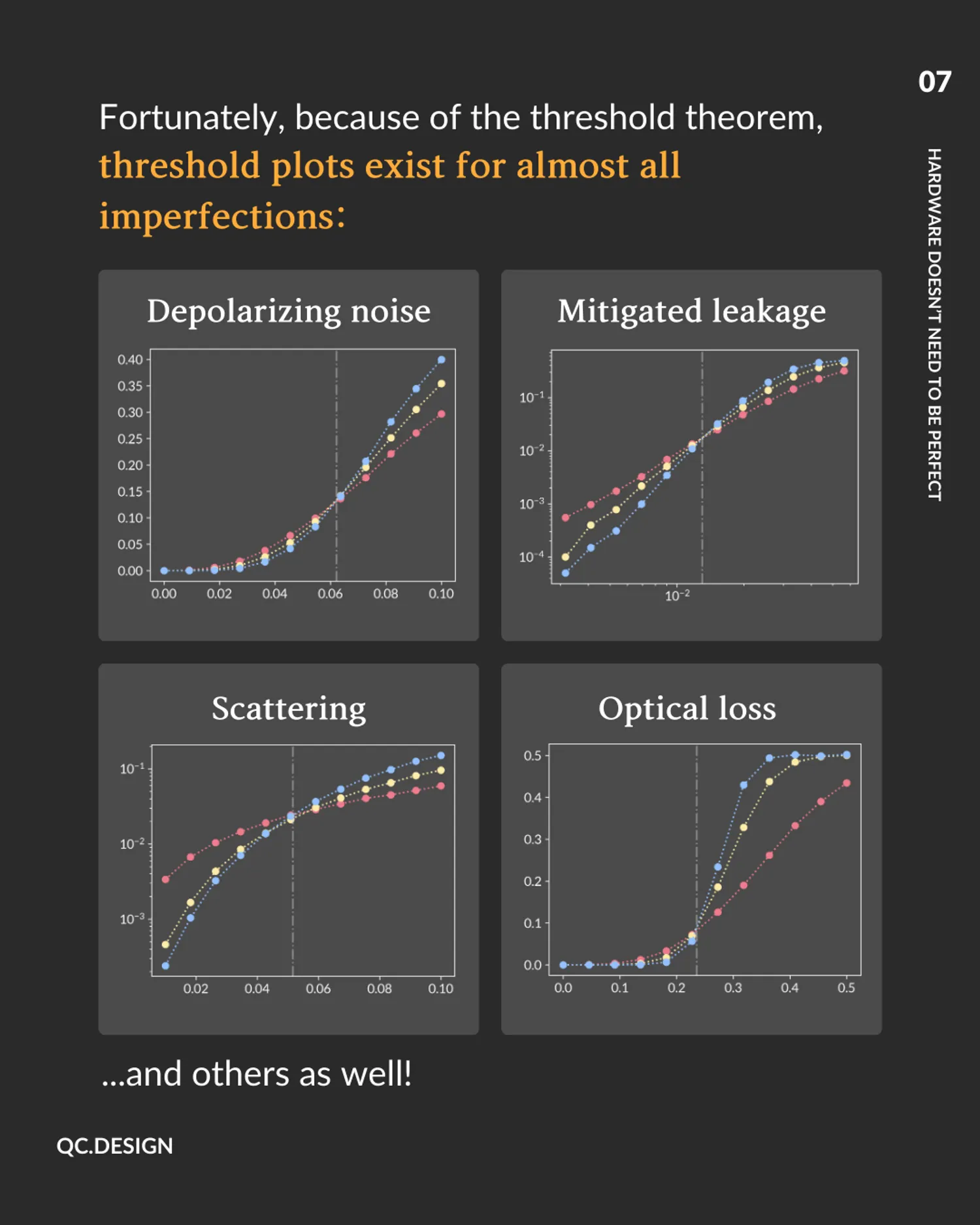
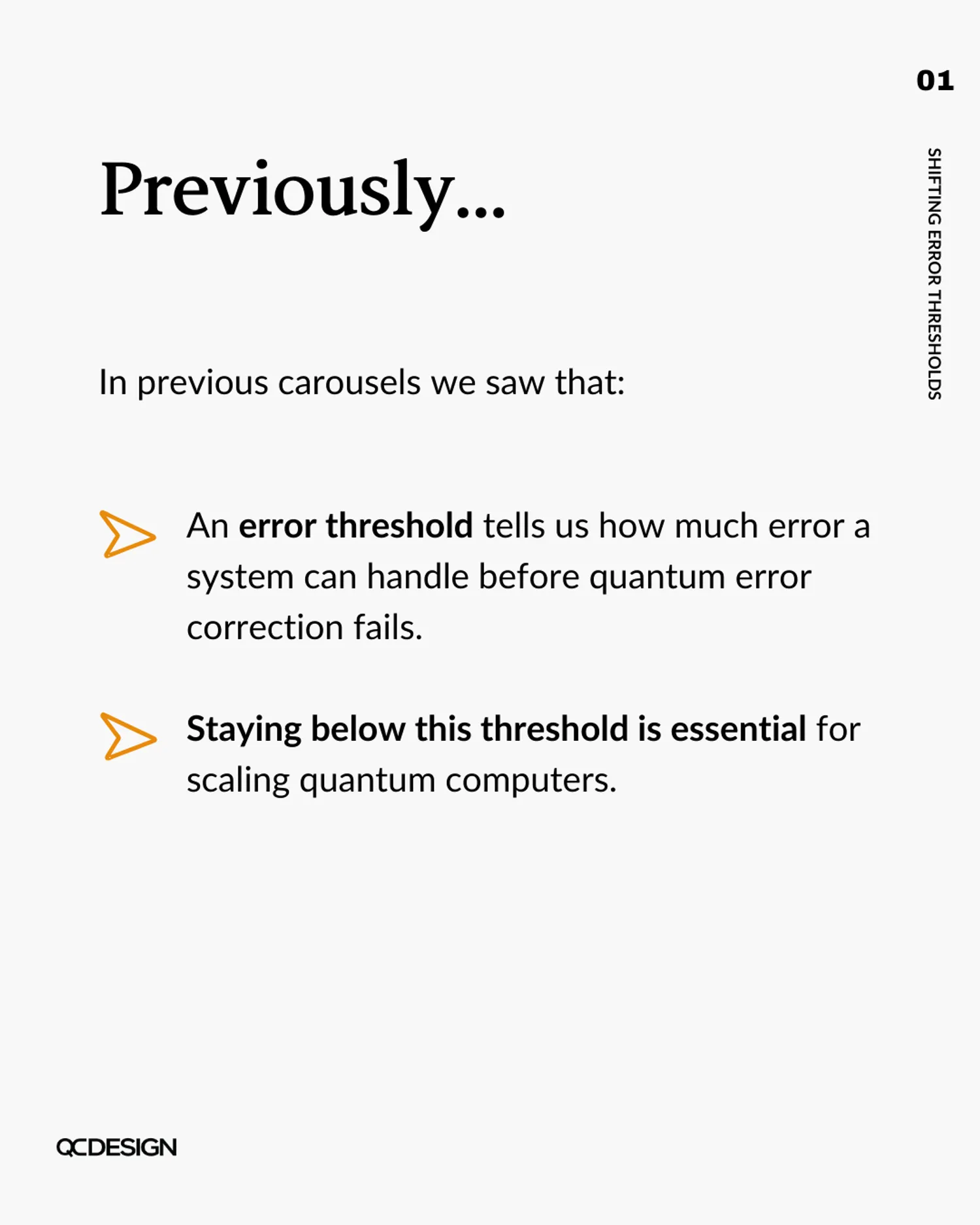
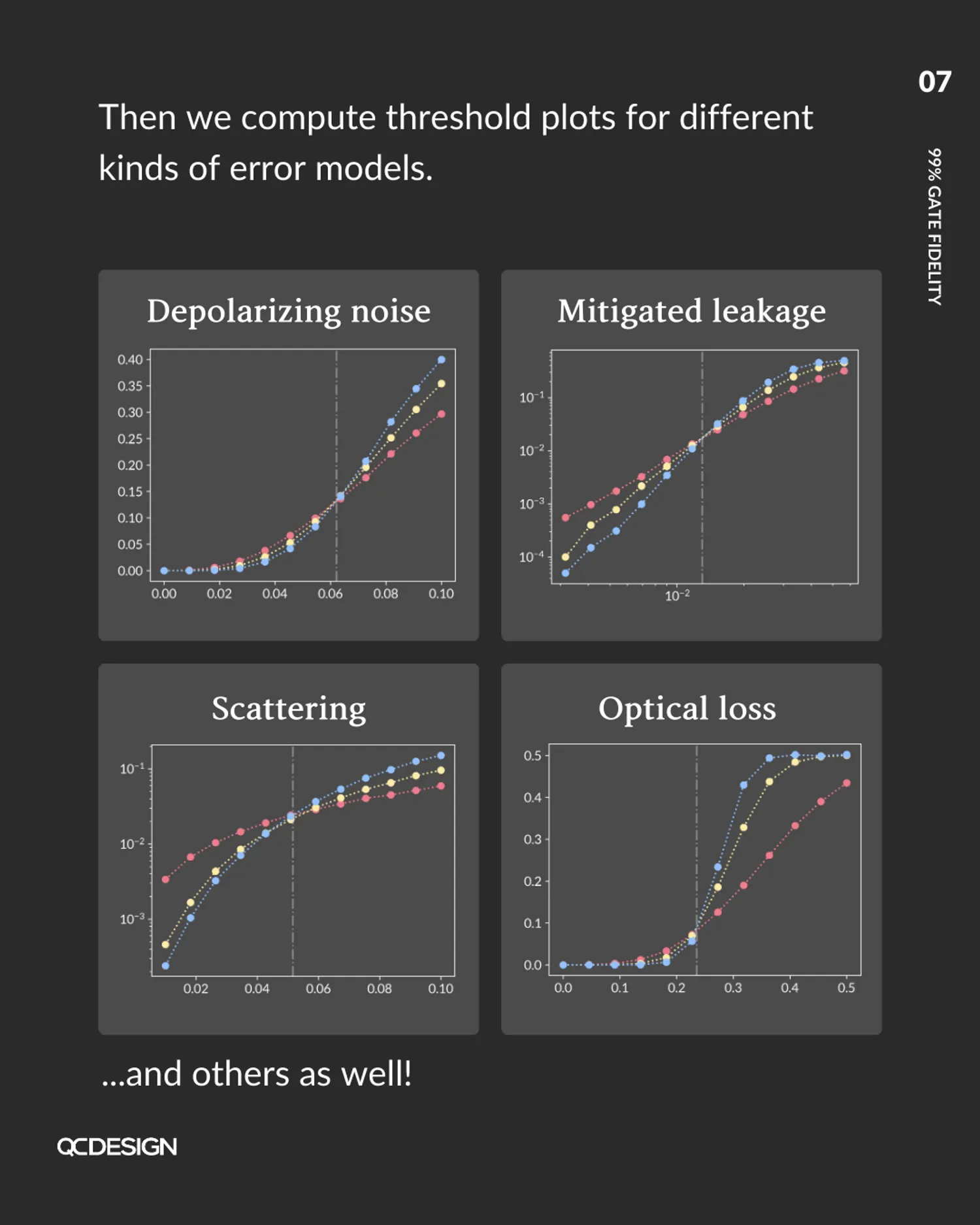
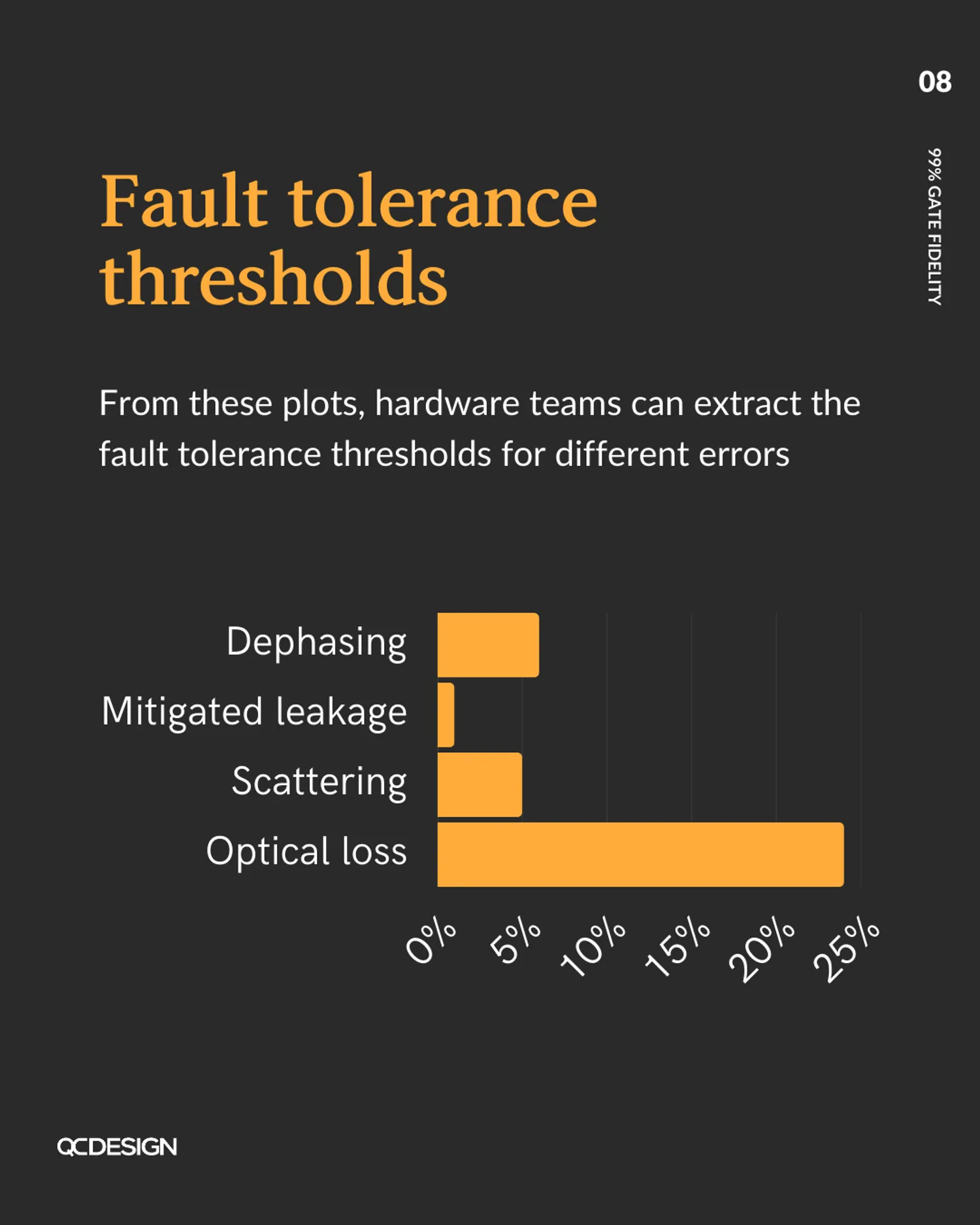
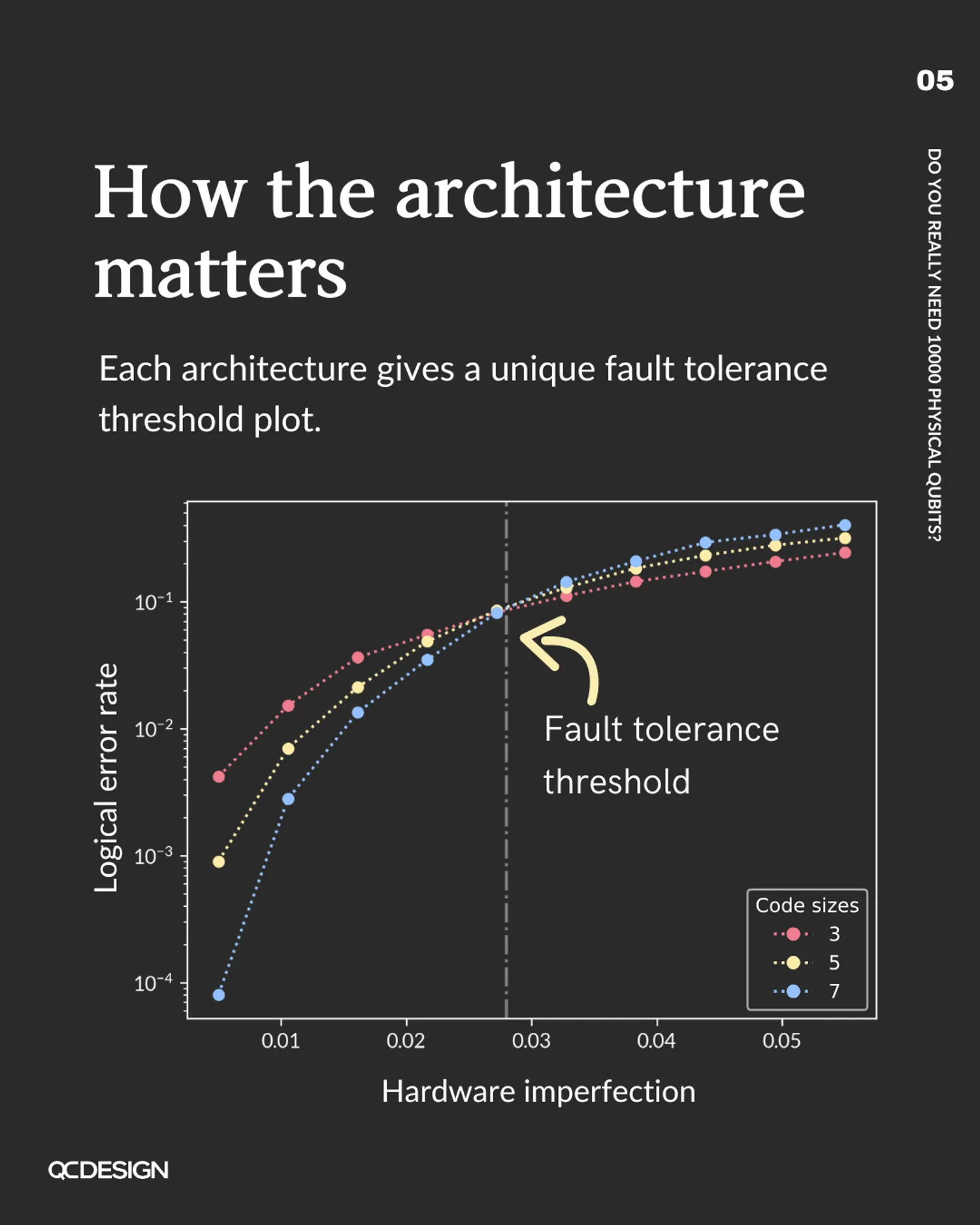
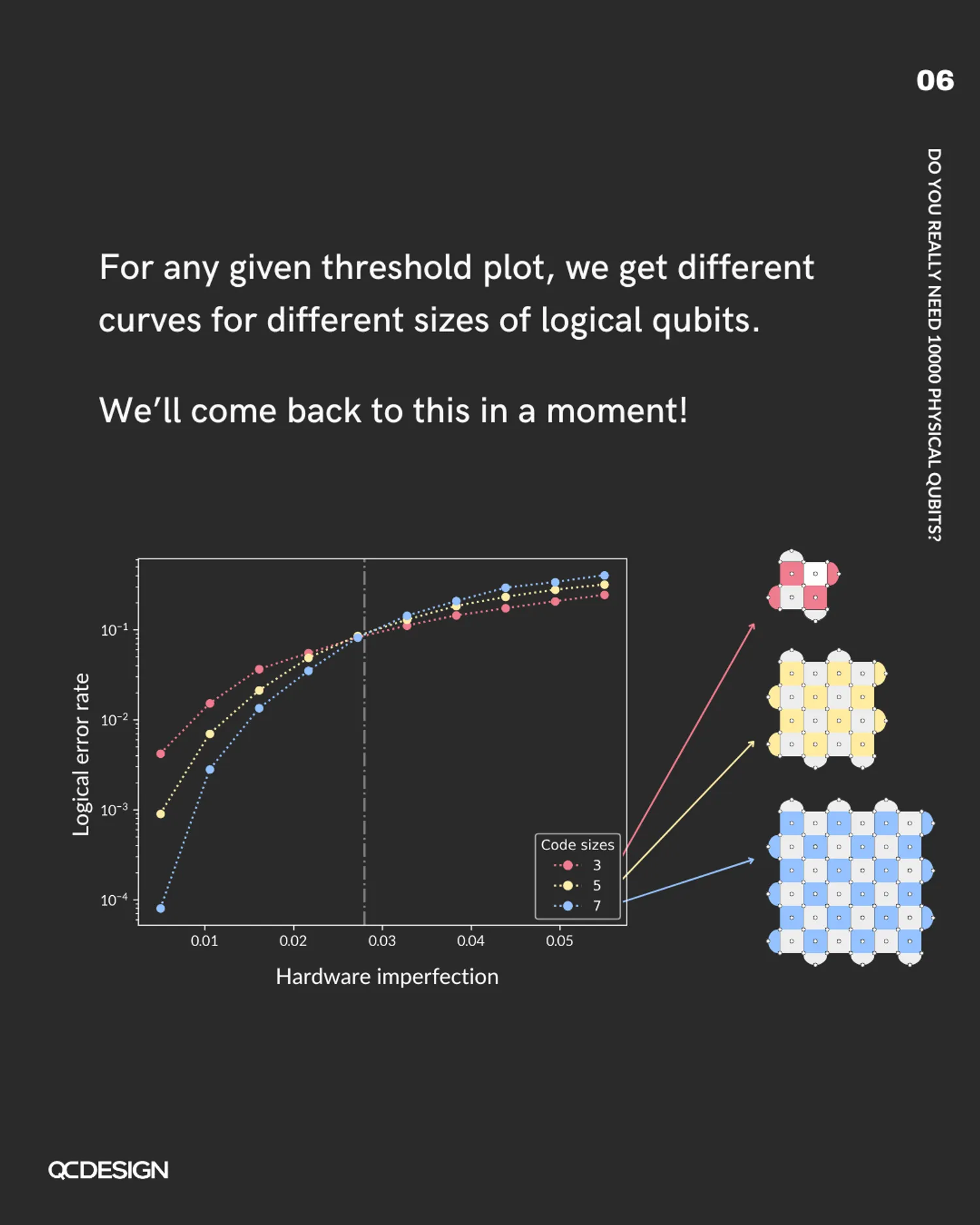
- Quantum Fault Tolerance Thresholds: Your simple guide to interpreting threshold plots.
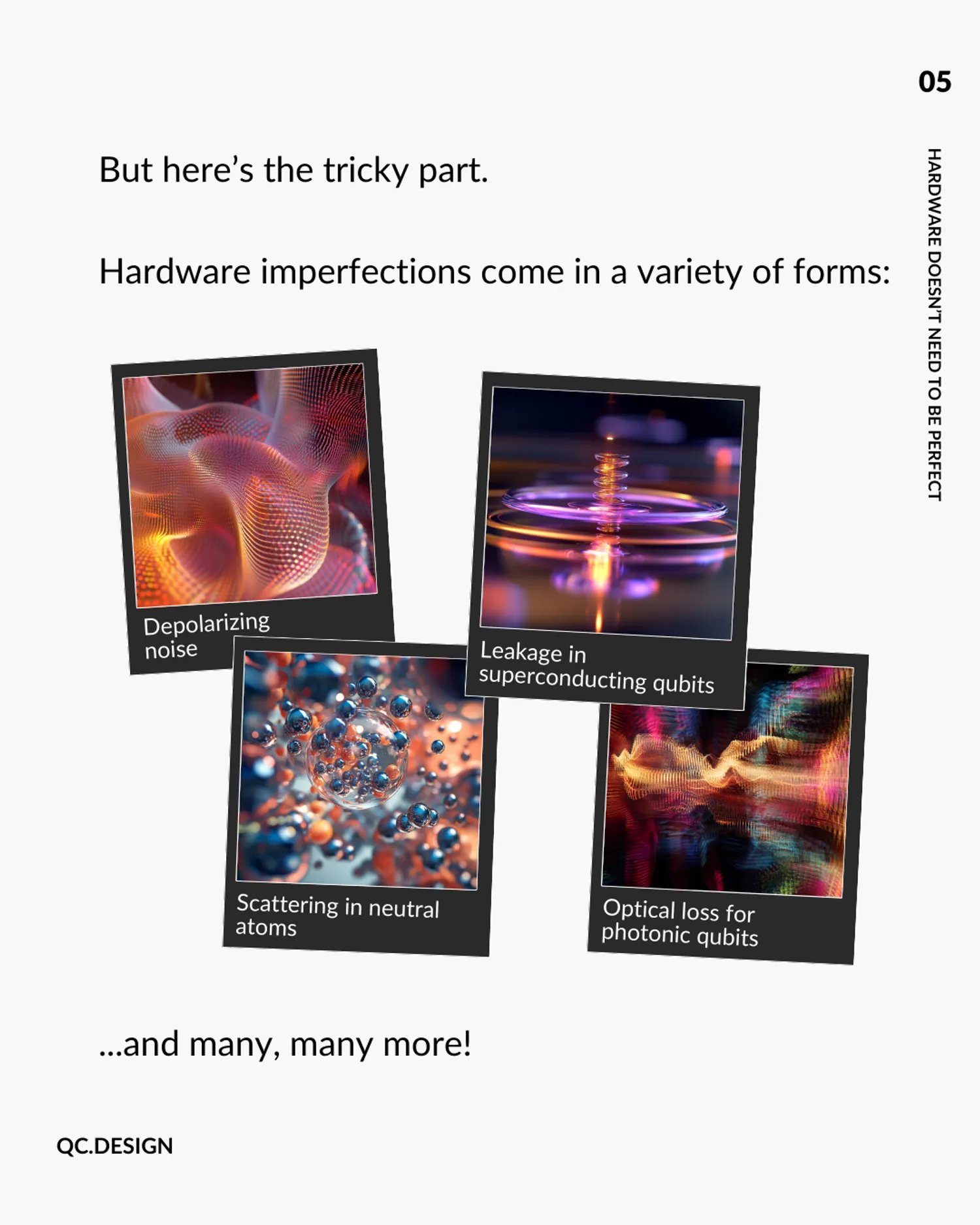
- Hardware doesn’t need to be perfect: But we need to understand all its imperfections to make quantum fault tolerance work.
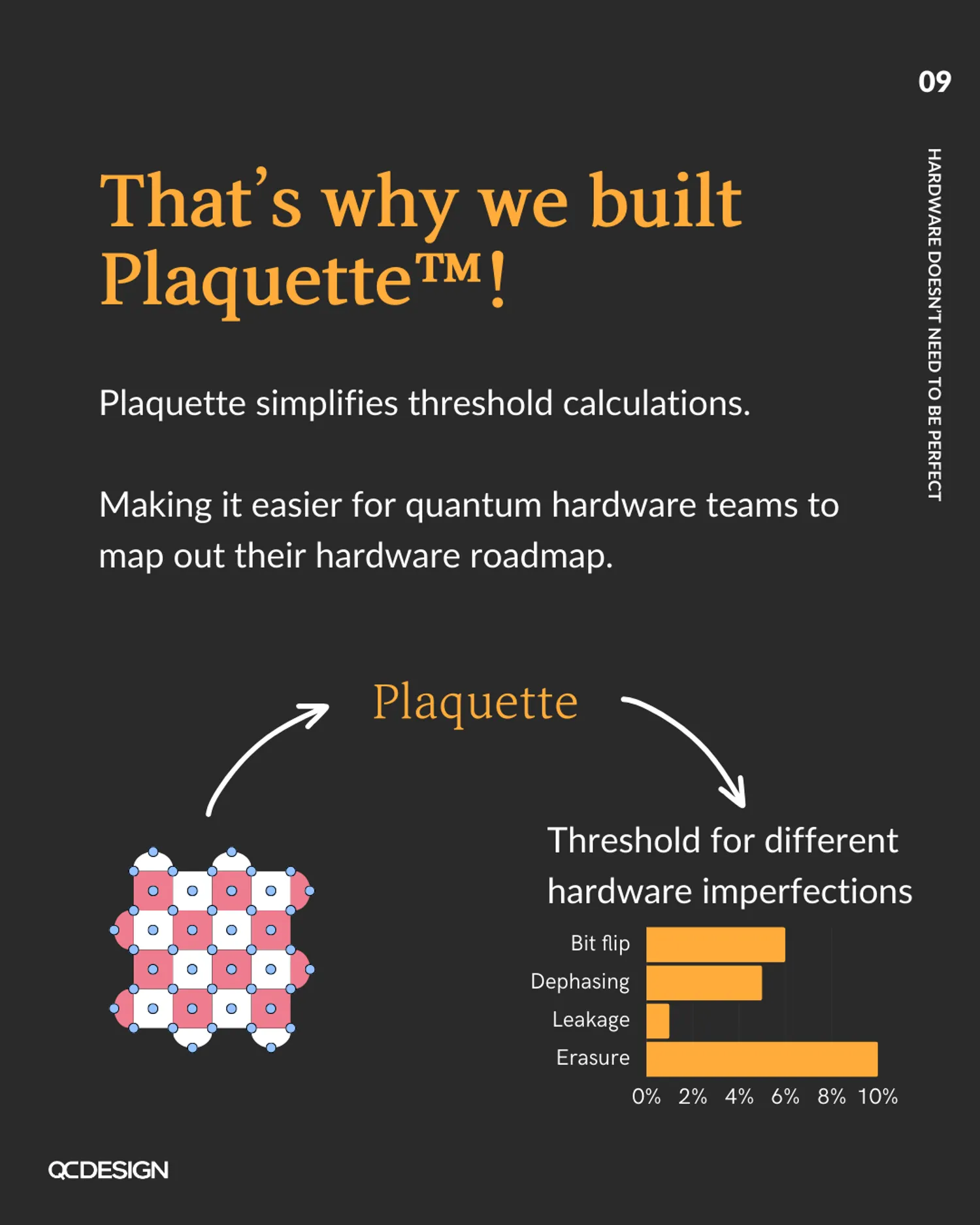
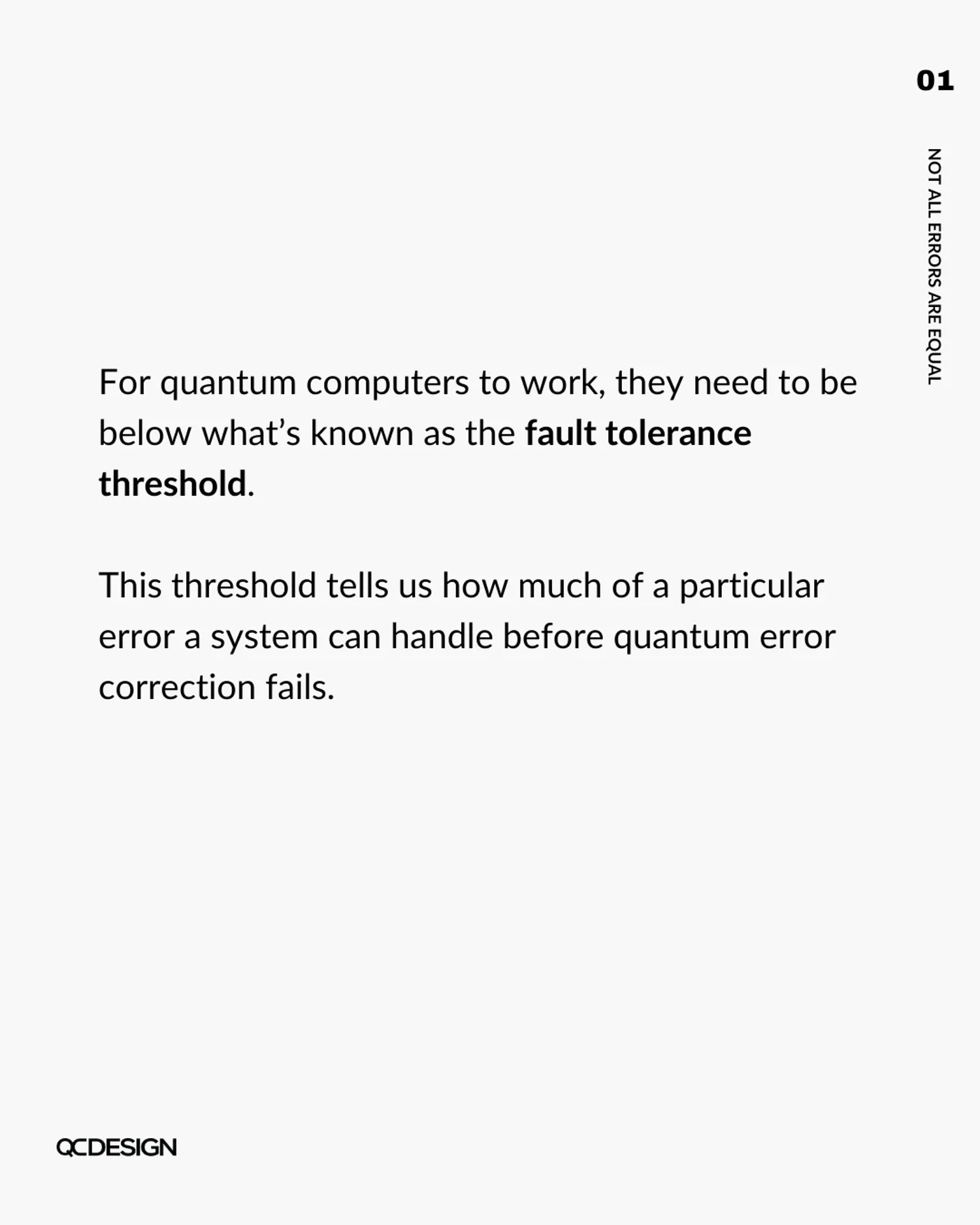
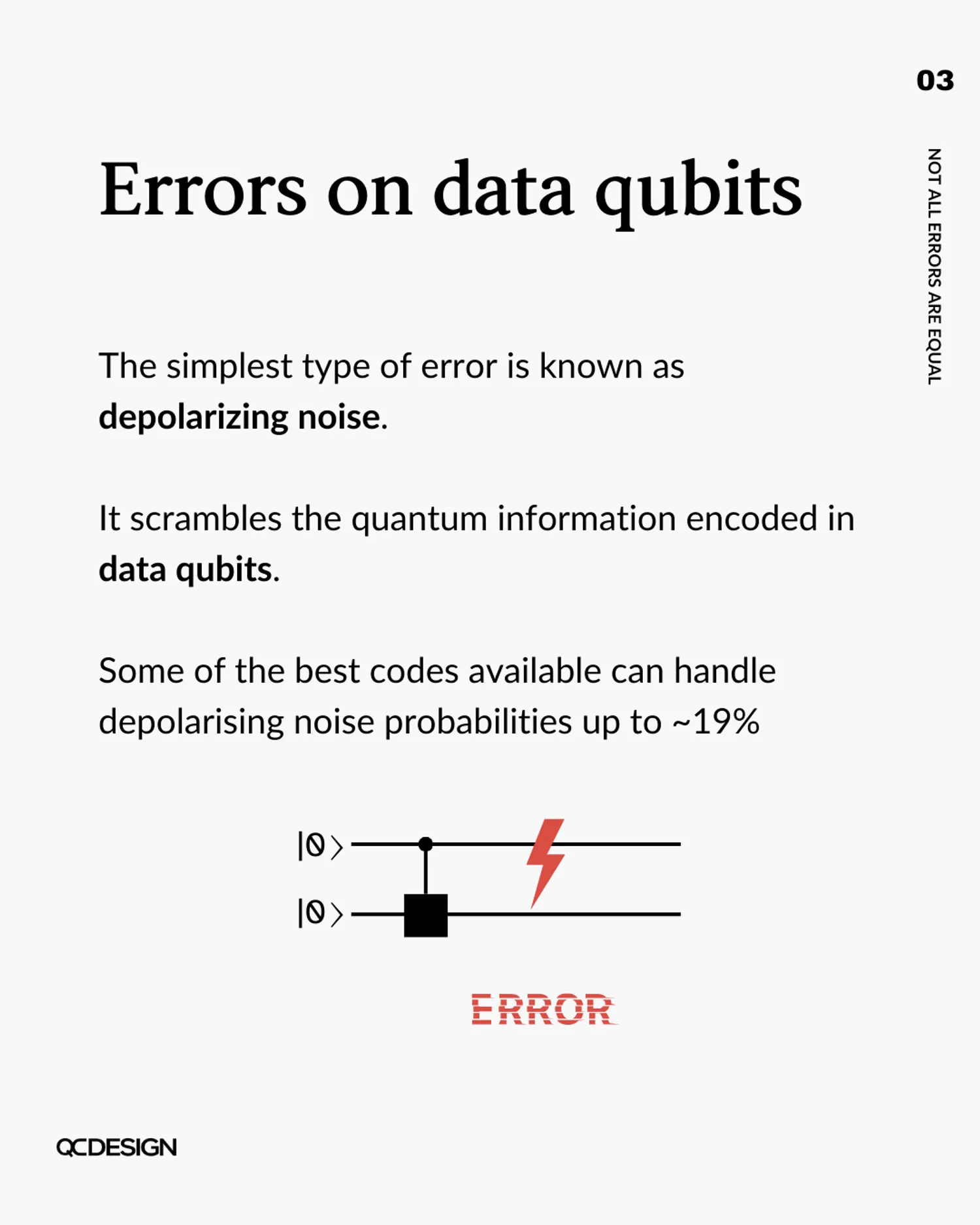
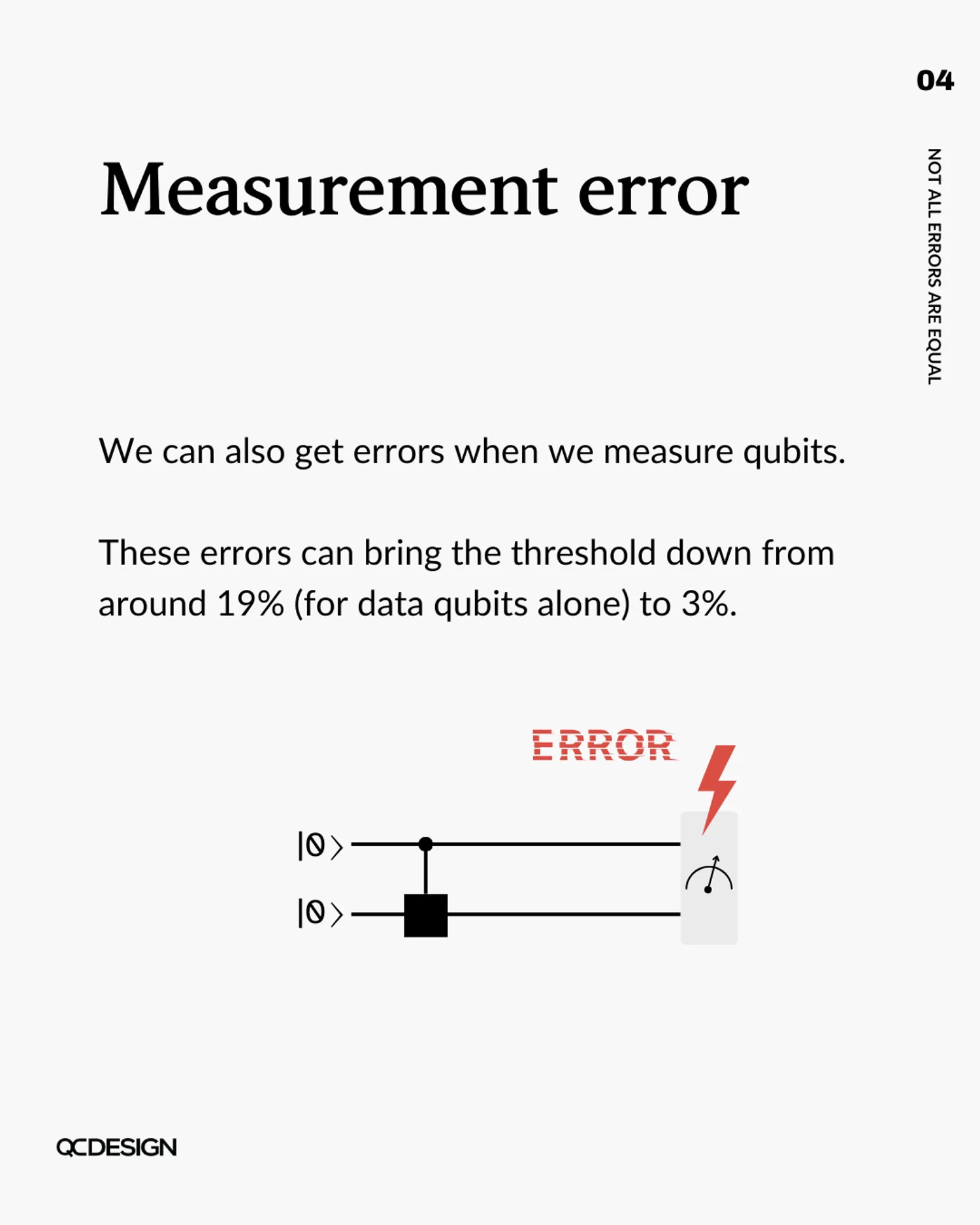
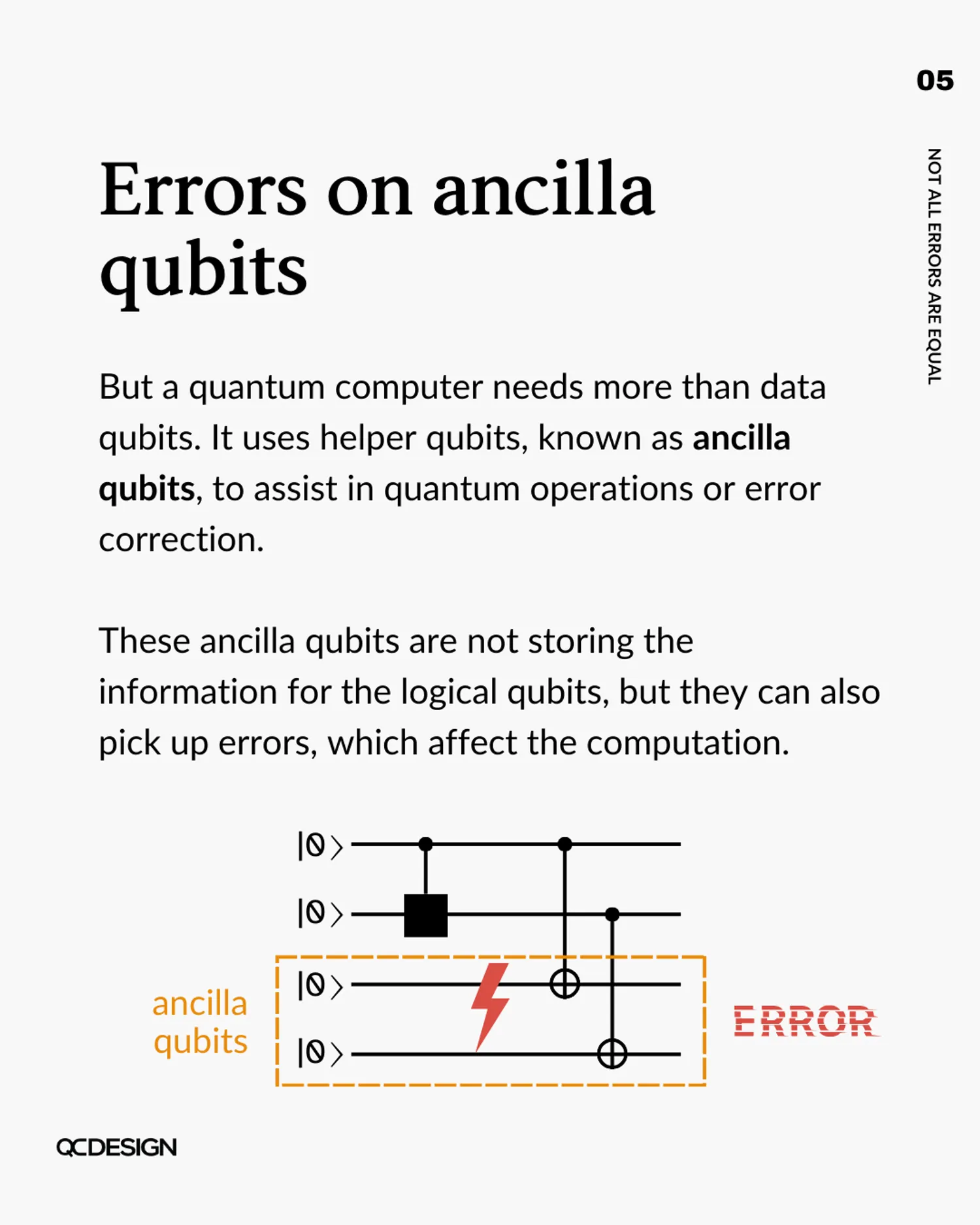
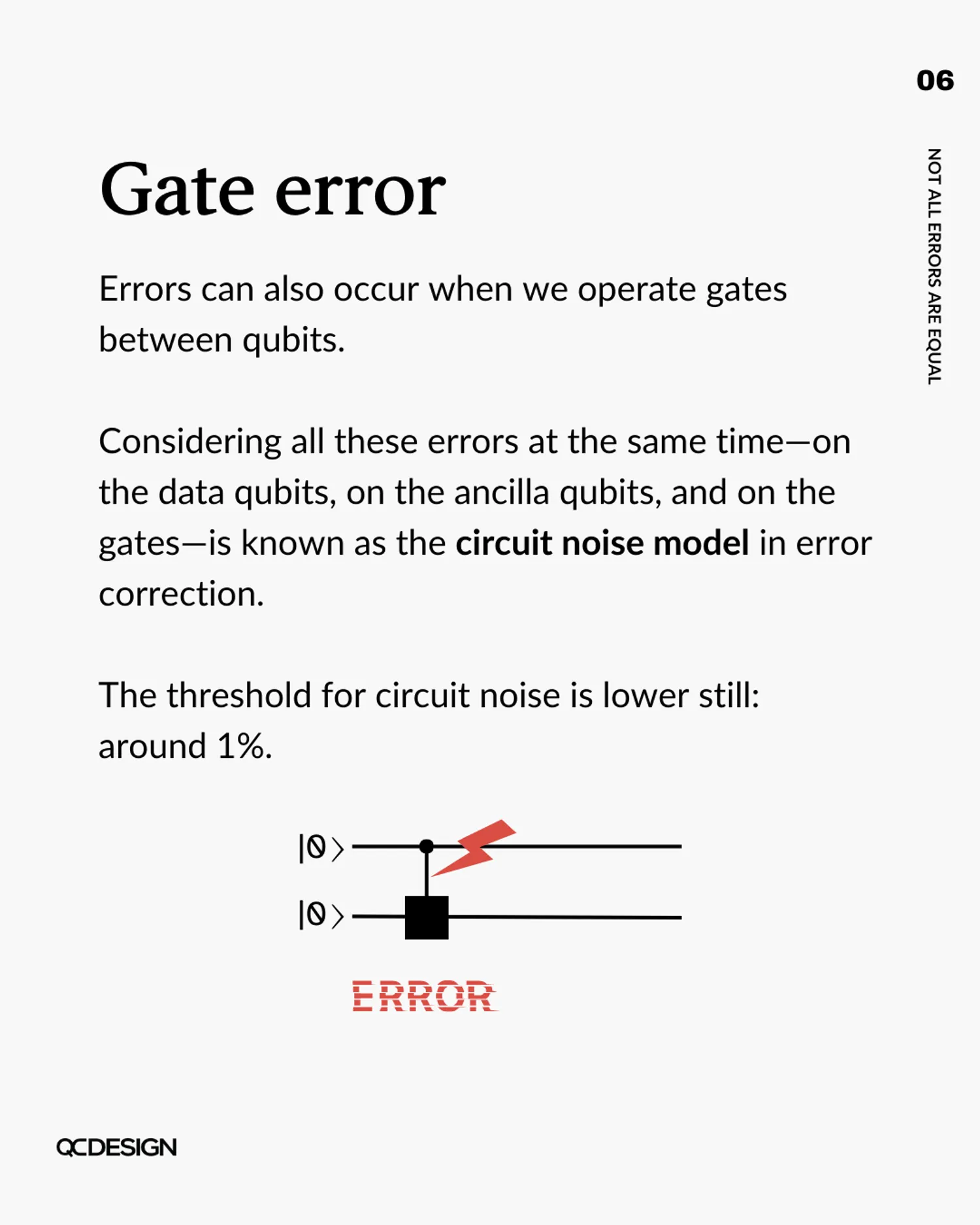
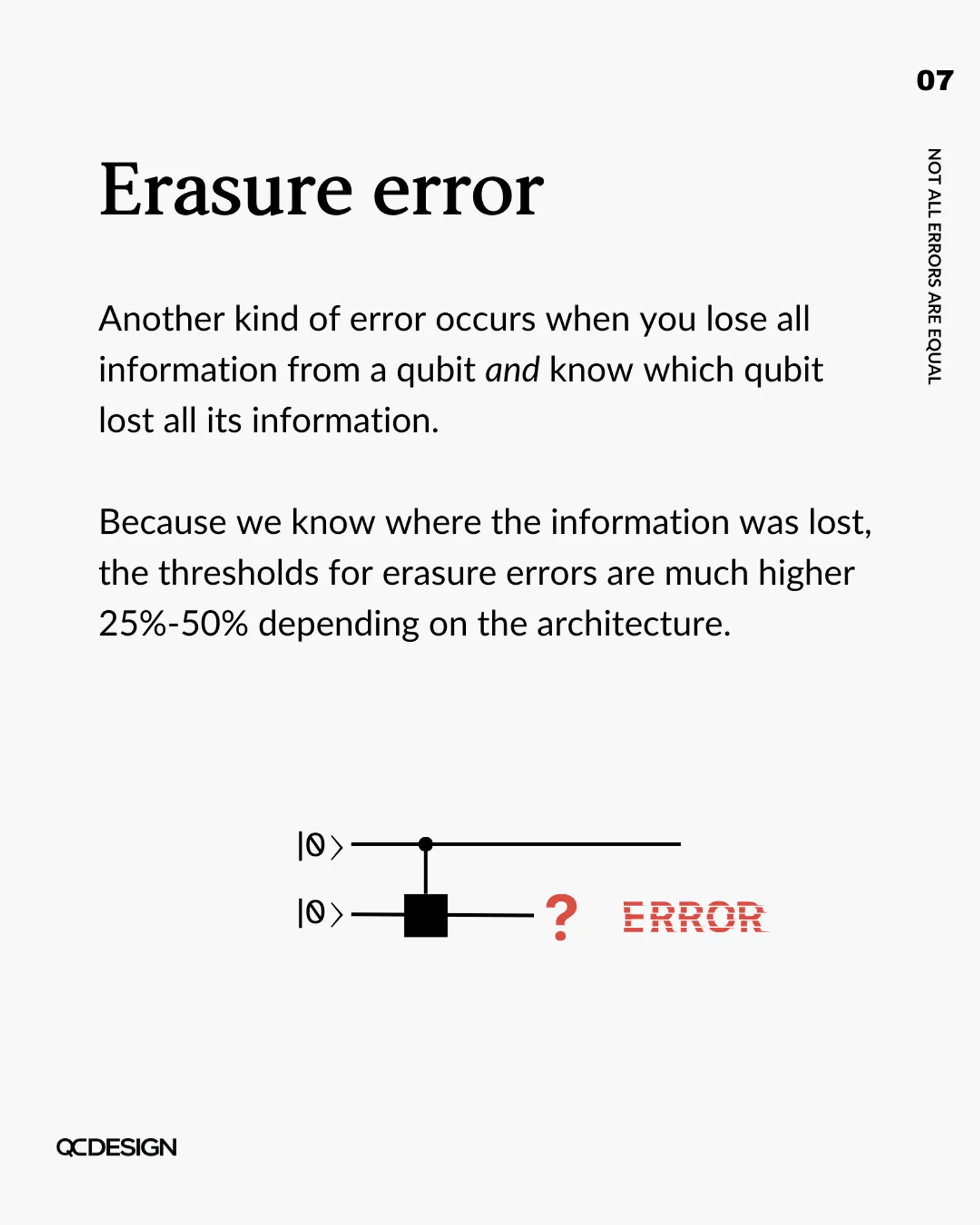
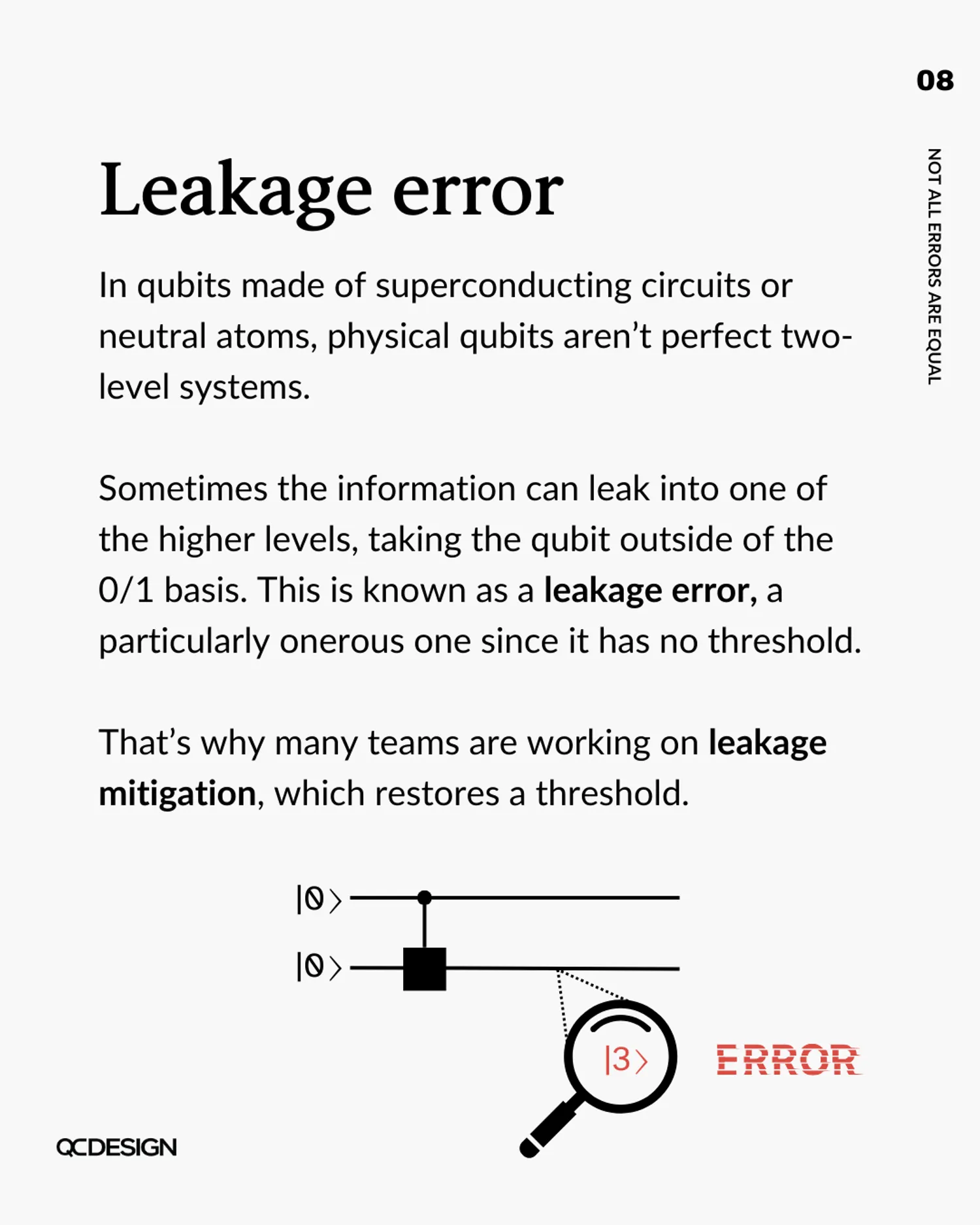
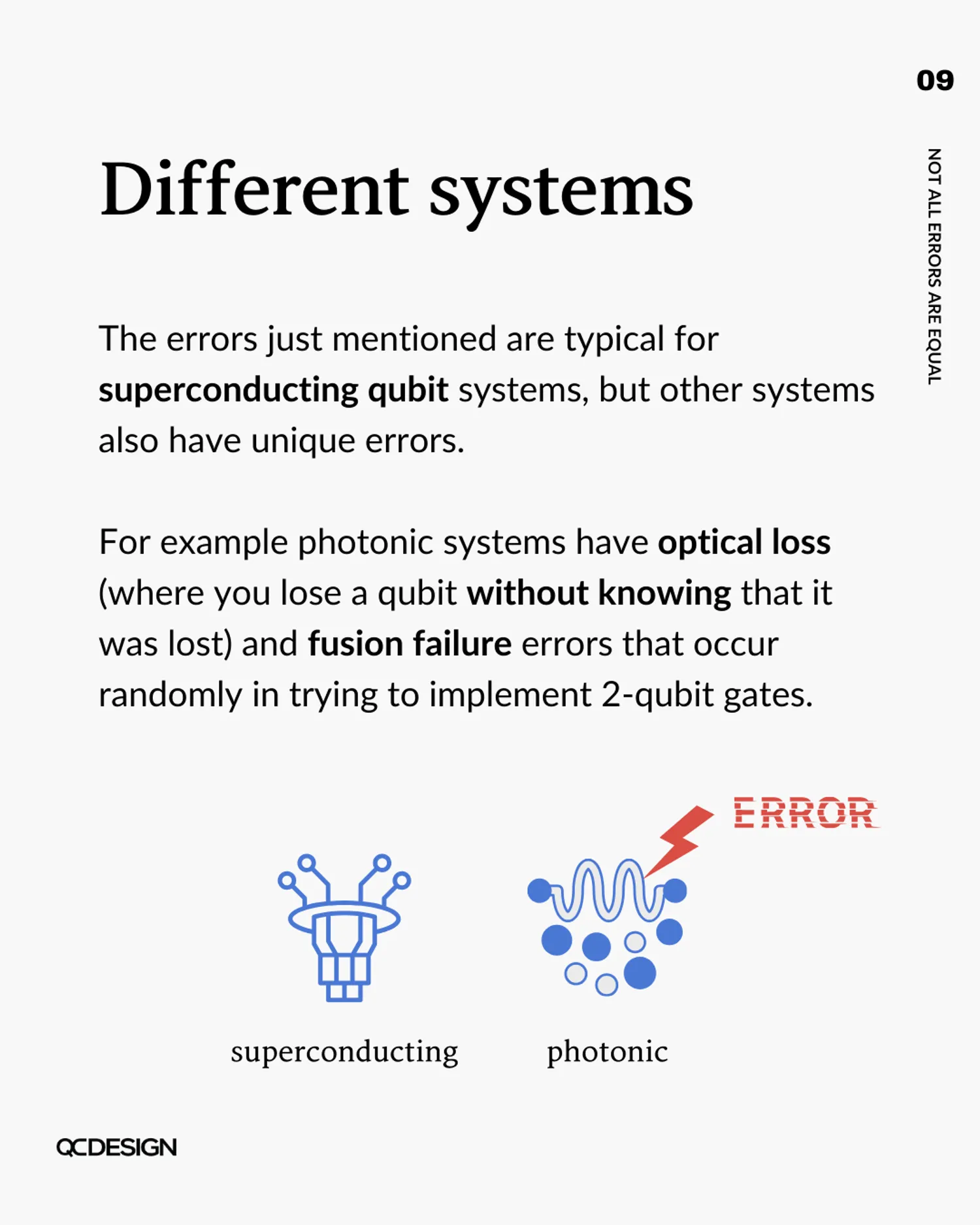
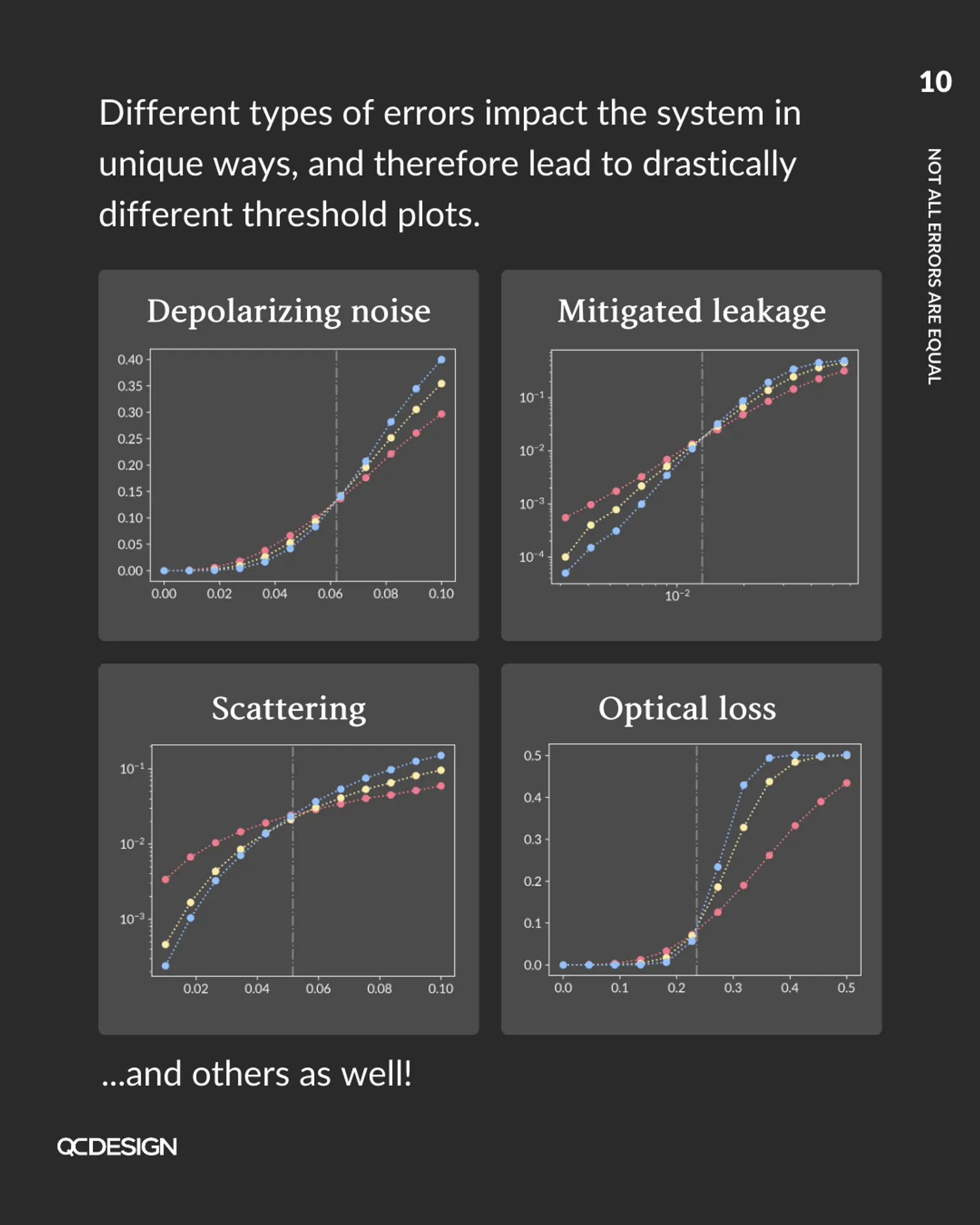
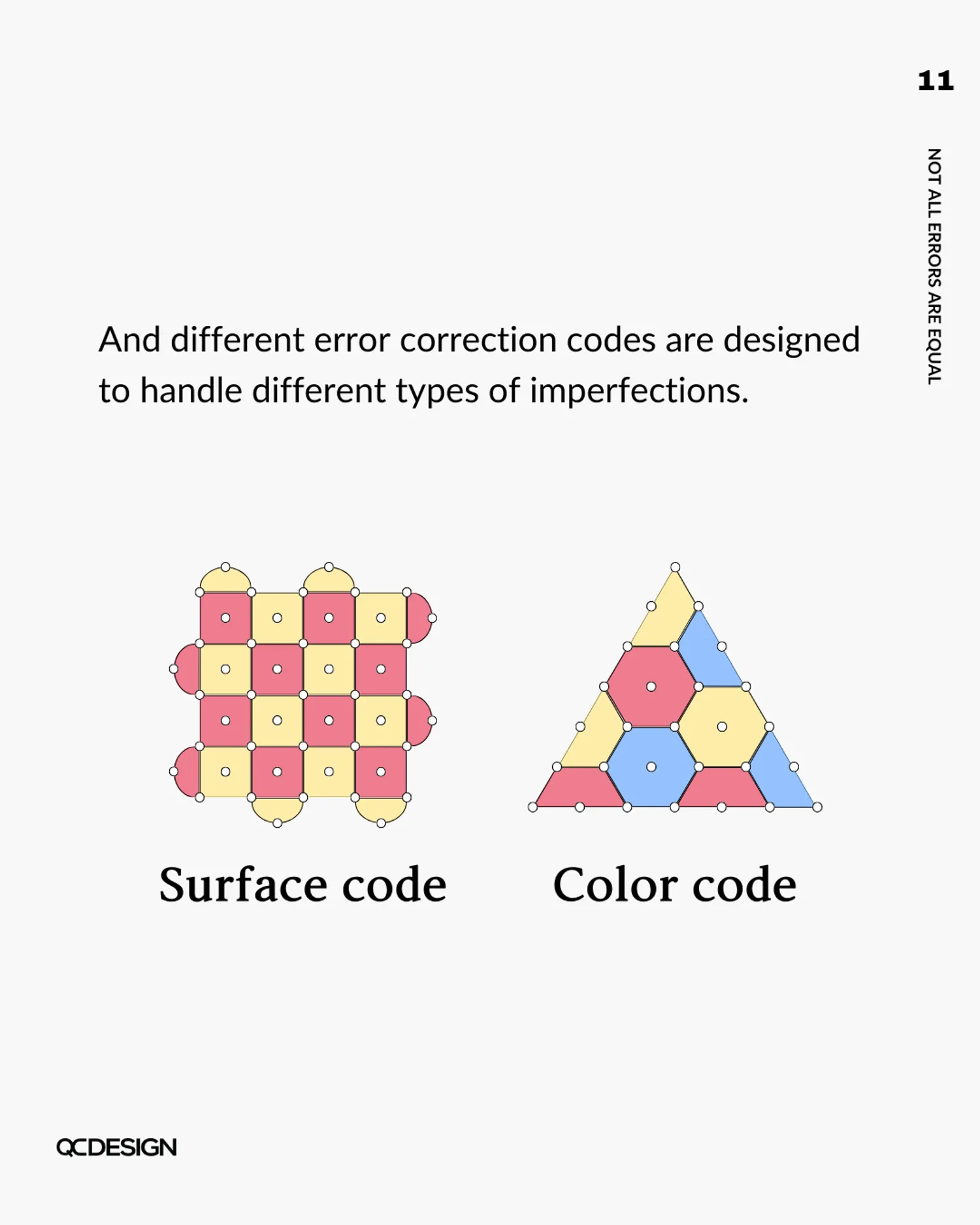
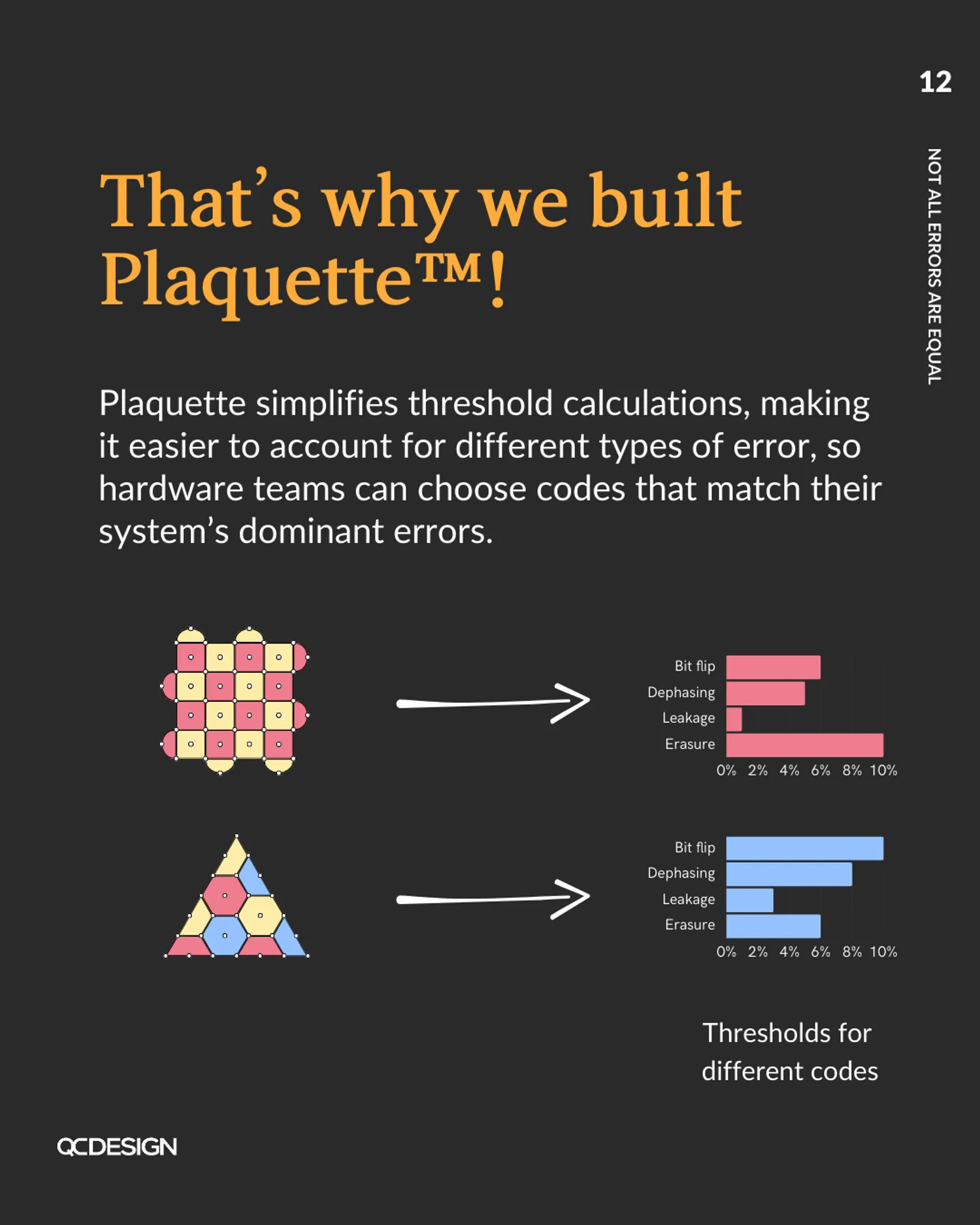
- Not all errors are equal: Different types of errors shape quantum error correction thresholds in different ways.
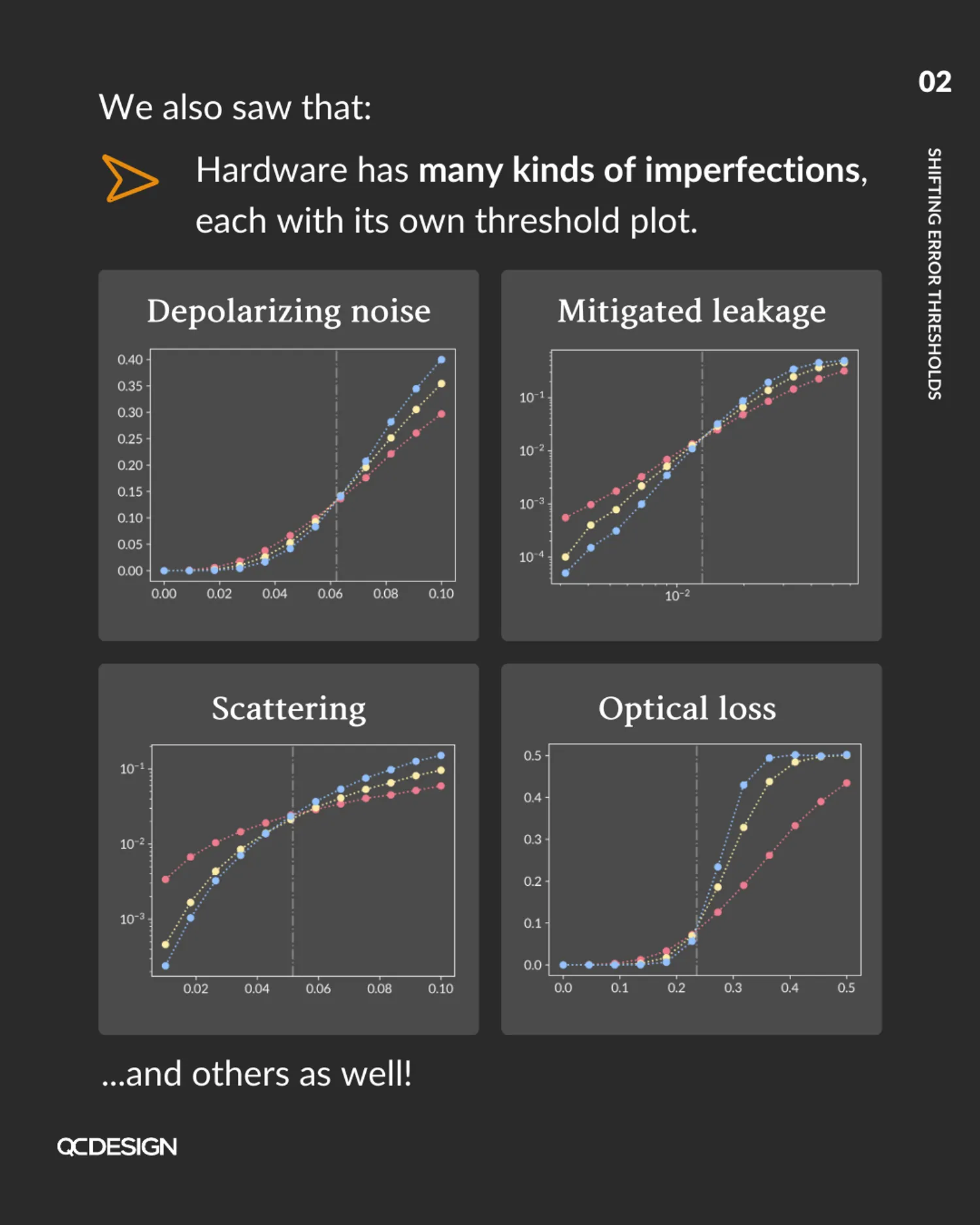
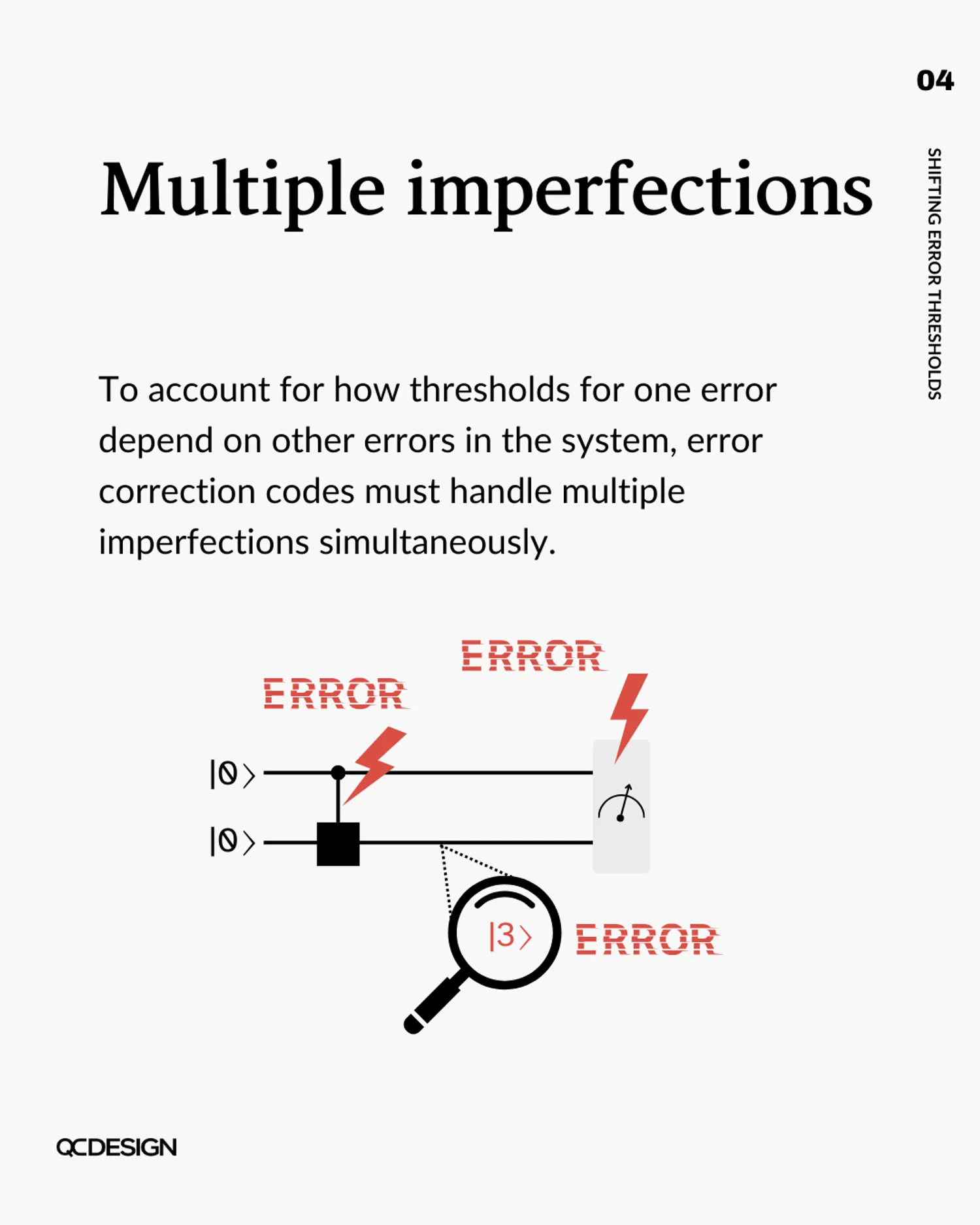
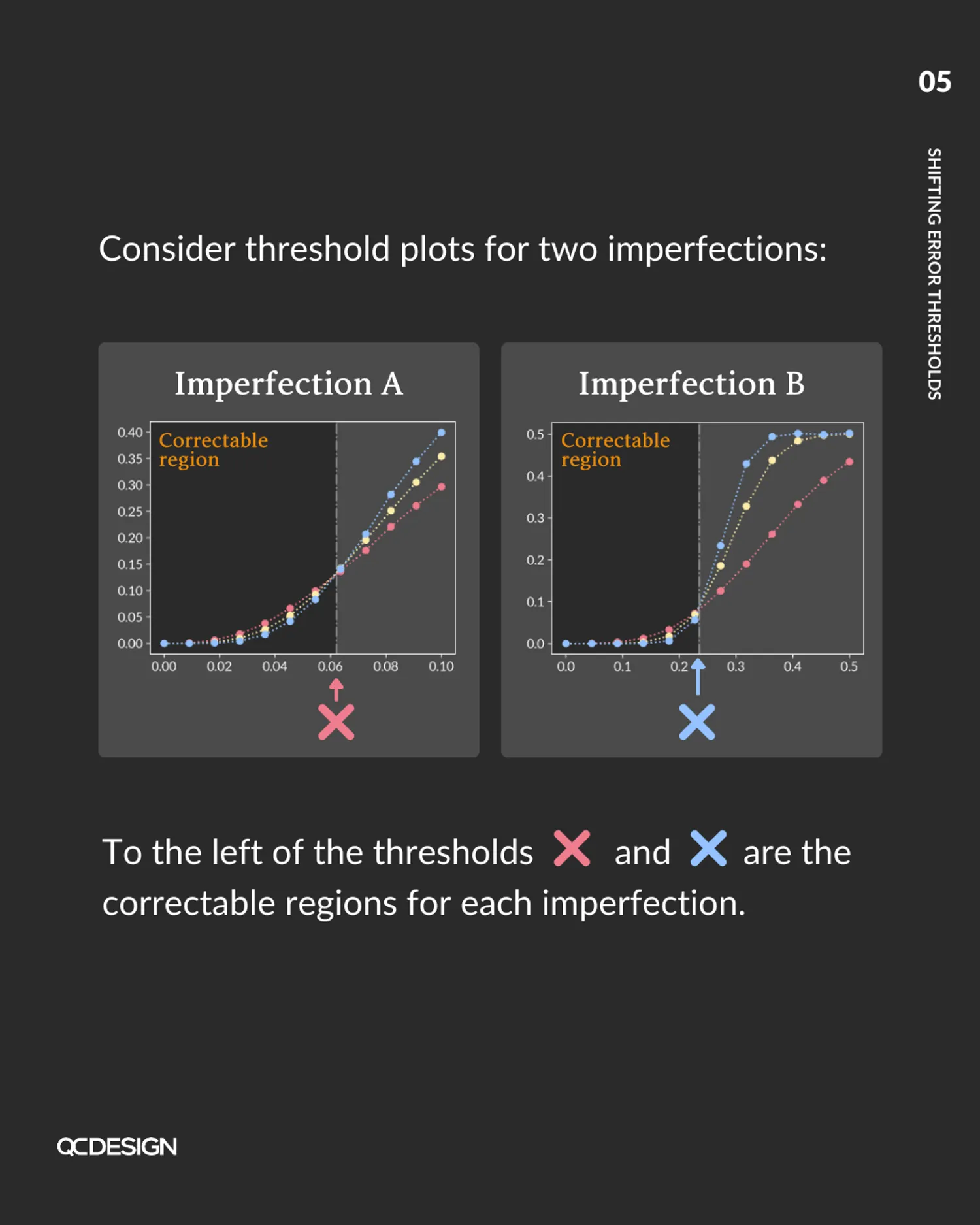
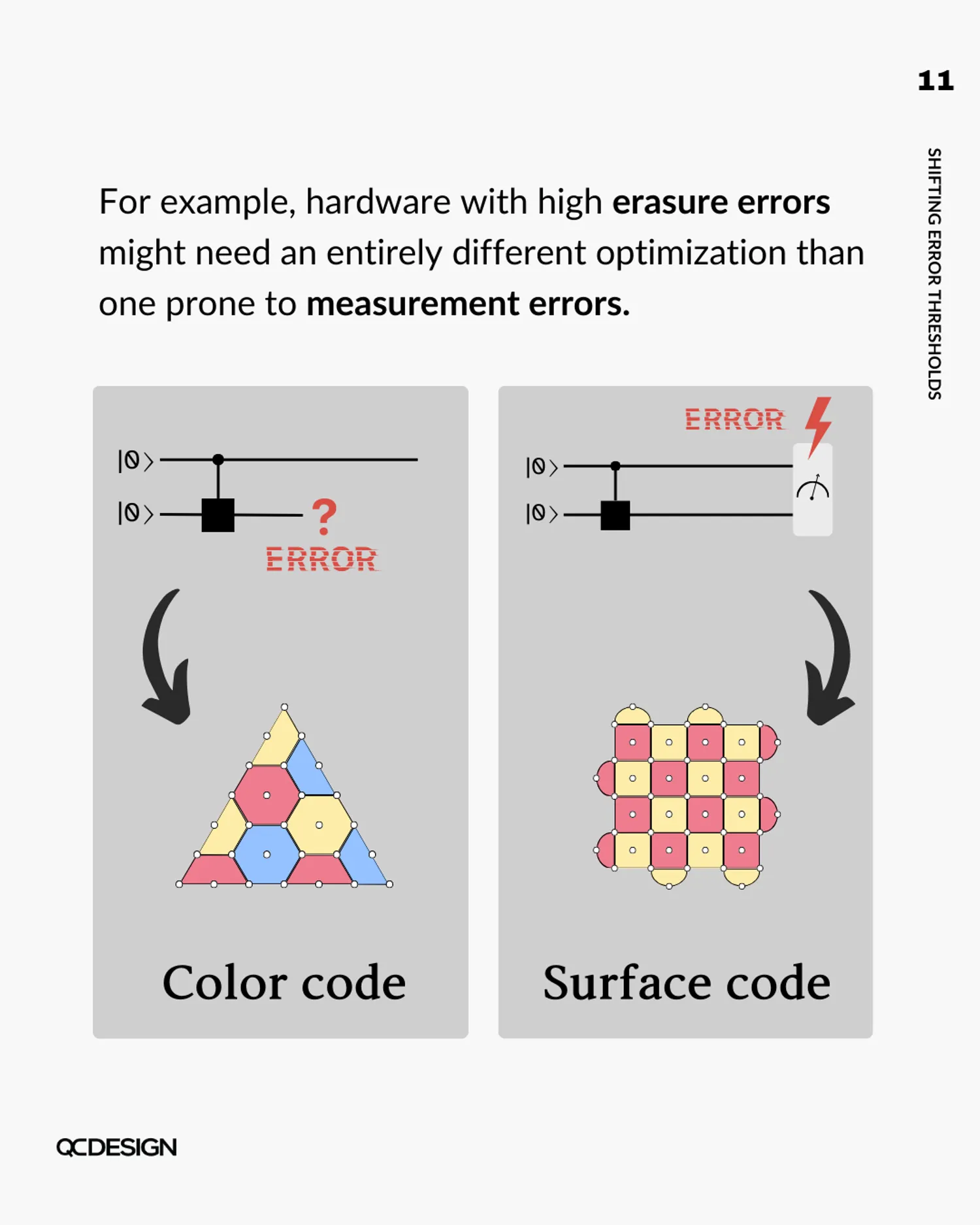
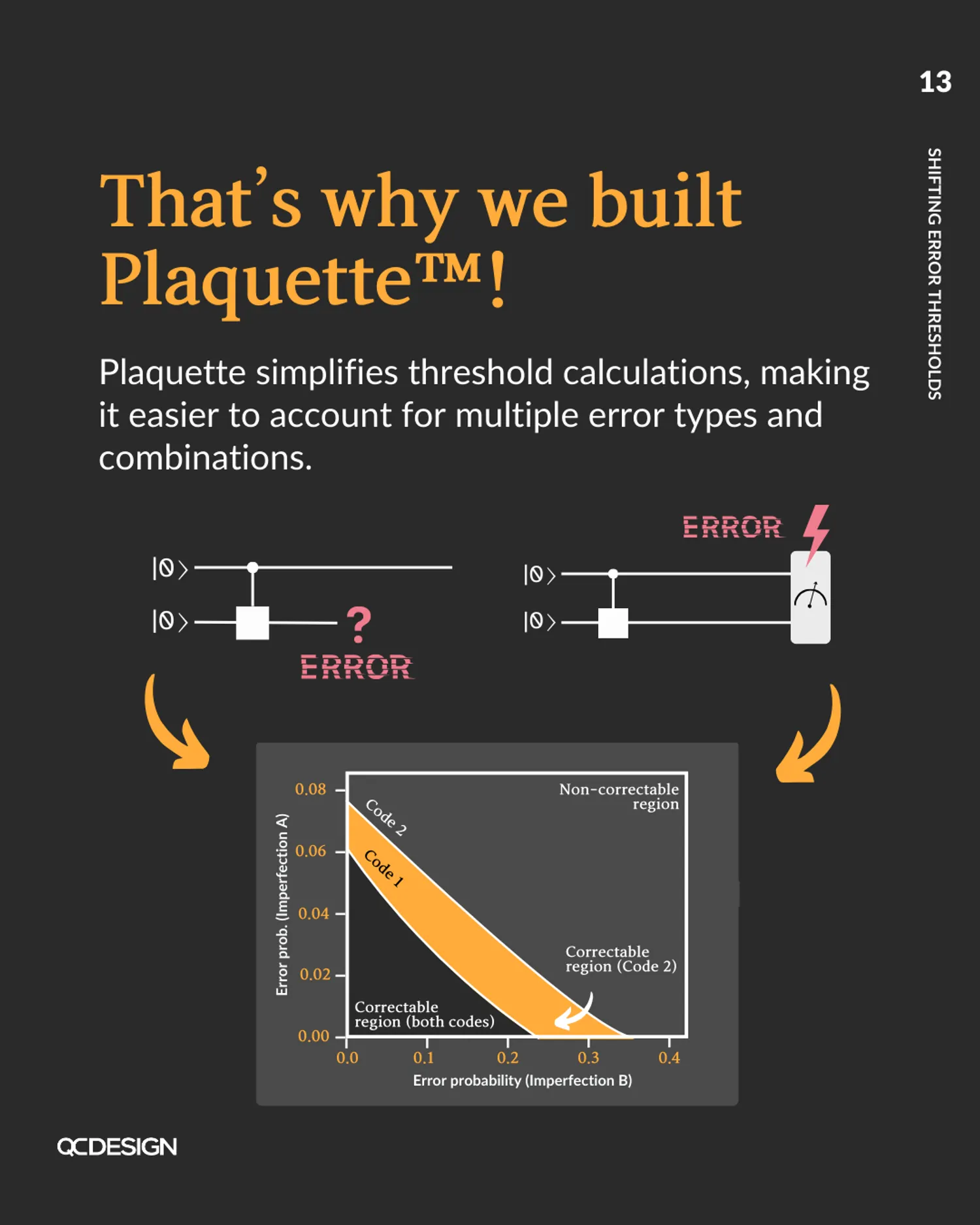
- Shifting error thresholds: Using threshold surfaces to navigate multiple interacting imperfections.
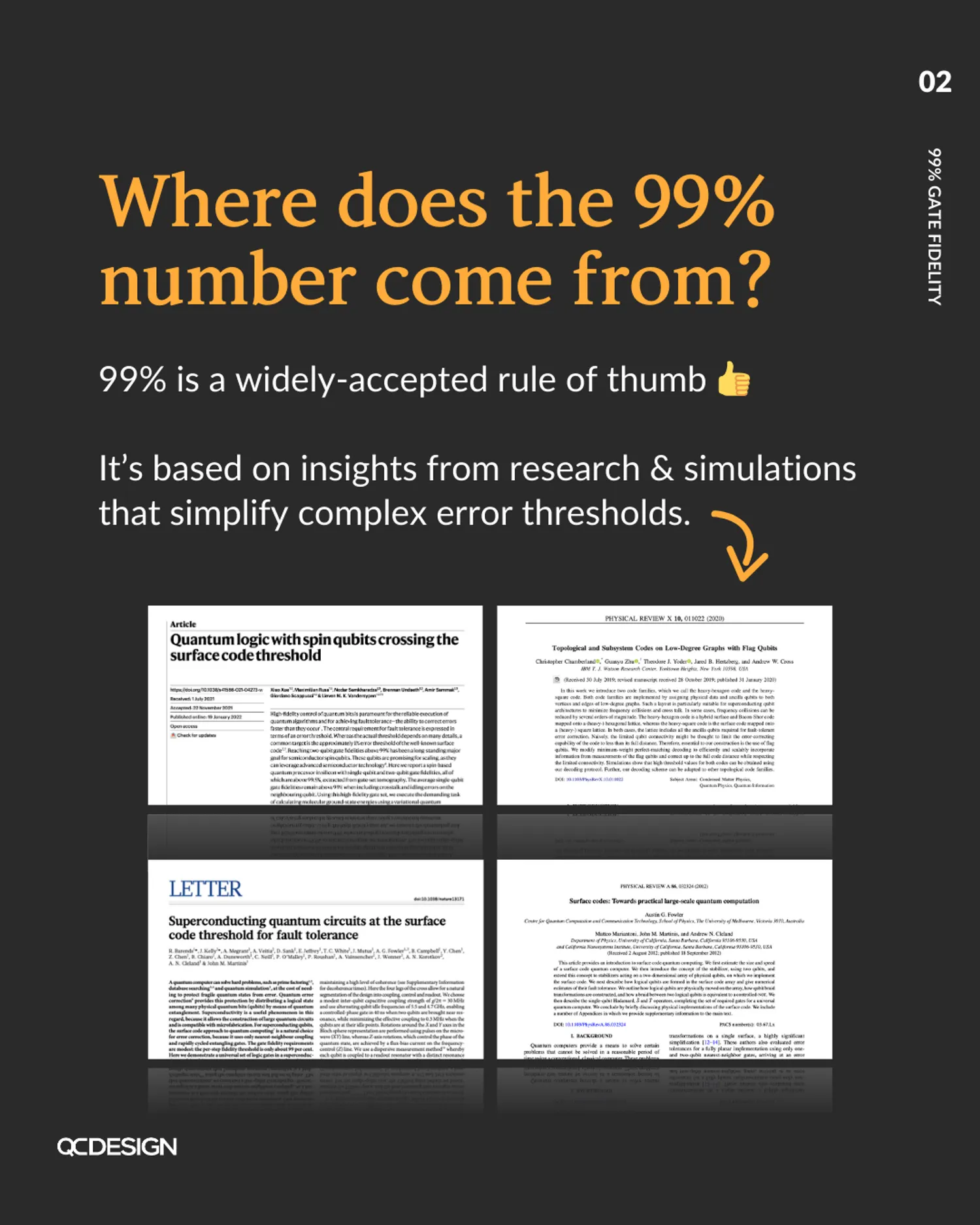
- 99% gate fidelity: Is that all we need? Or is there more to the story?
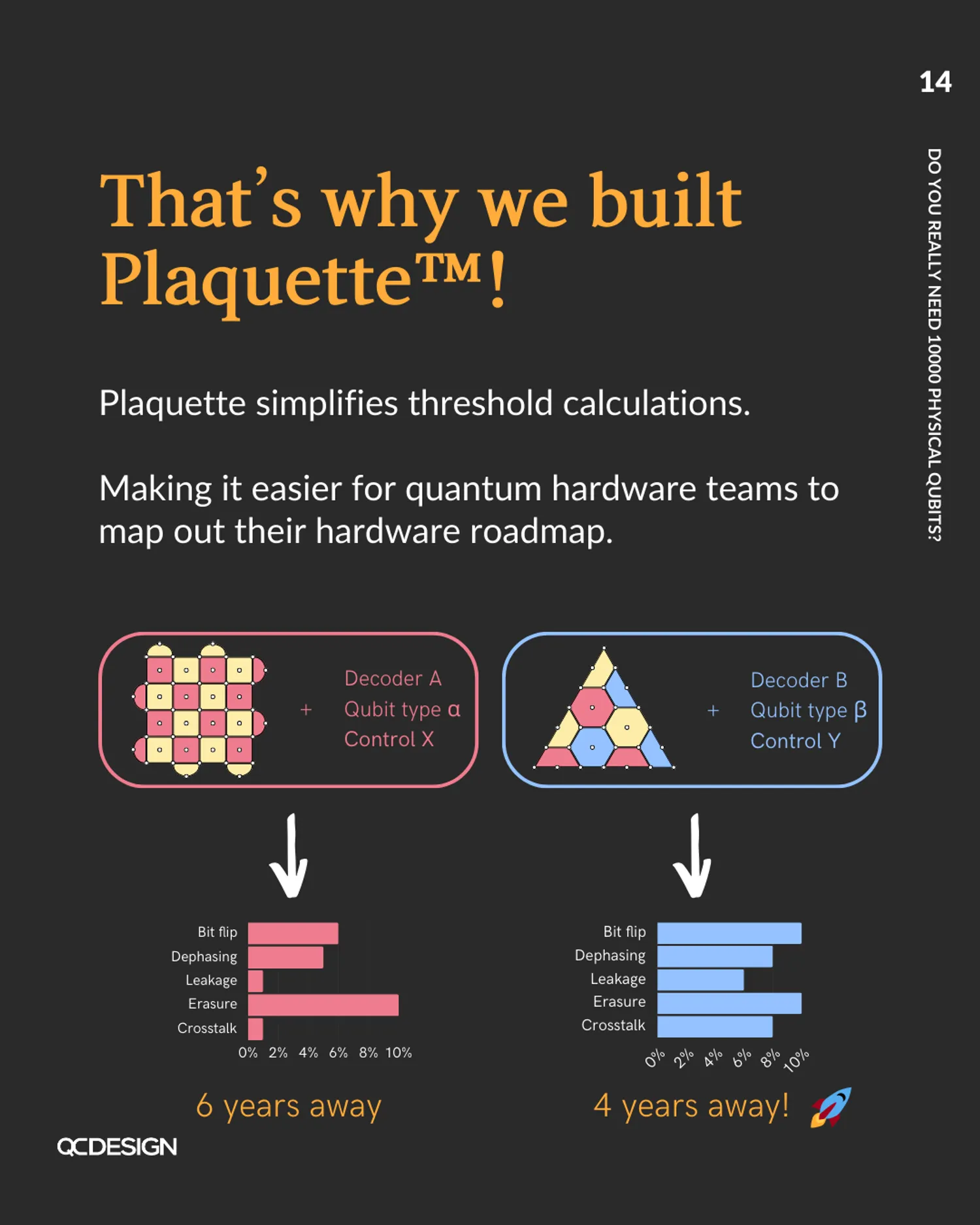
- Why simulating FTQC is so hard: And how Plaquette + NVIDIA are changing that.
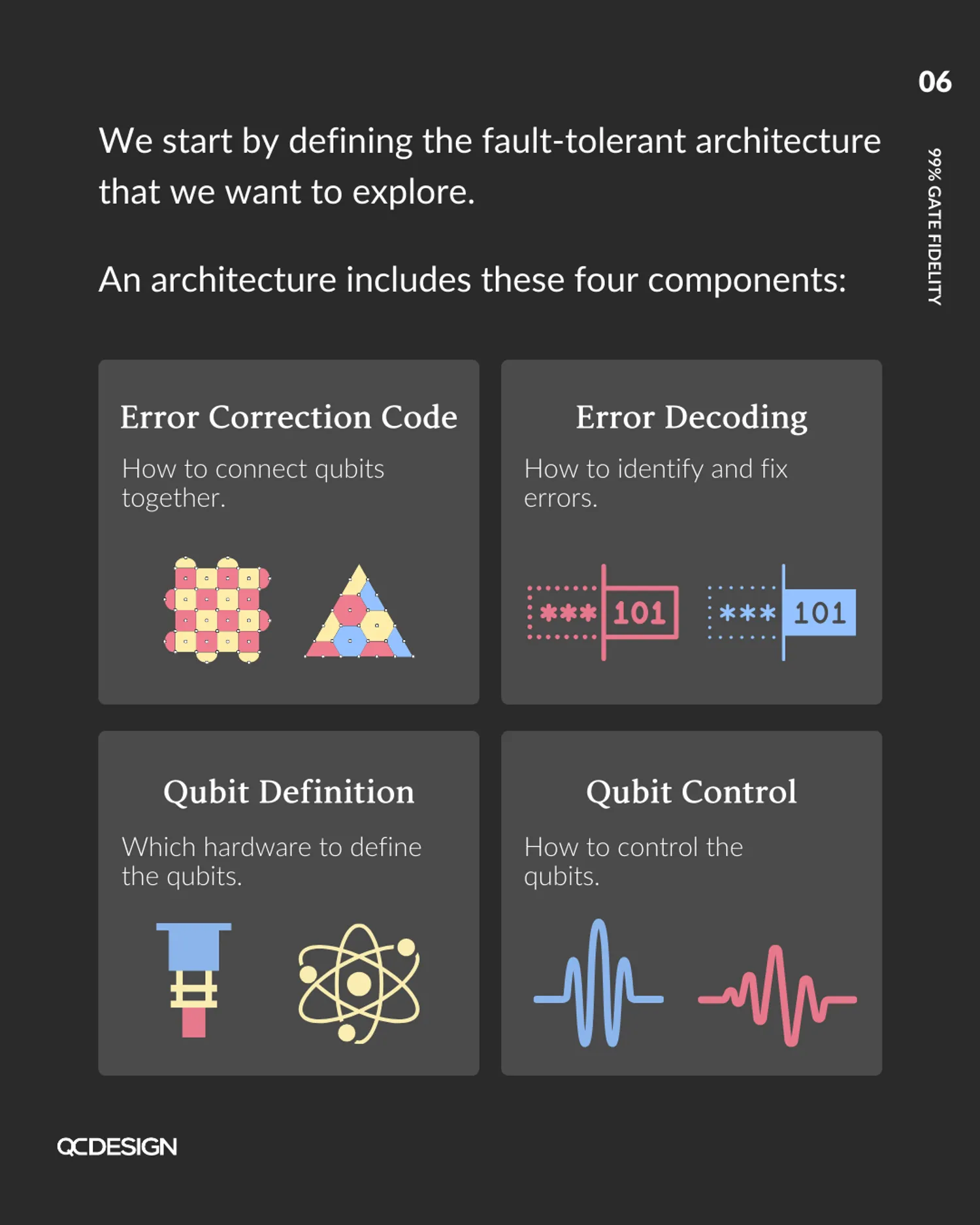
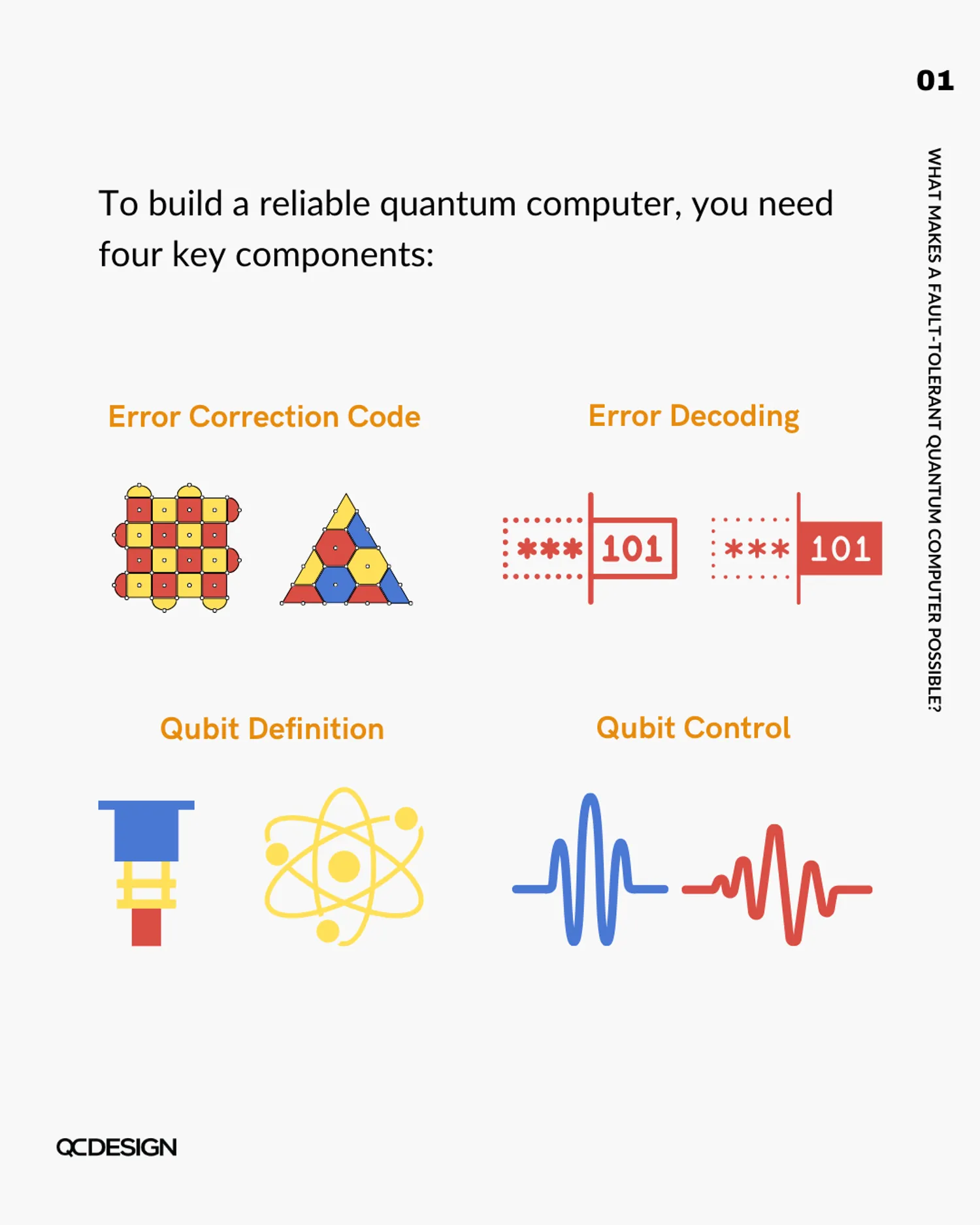
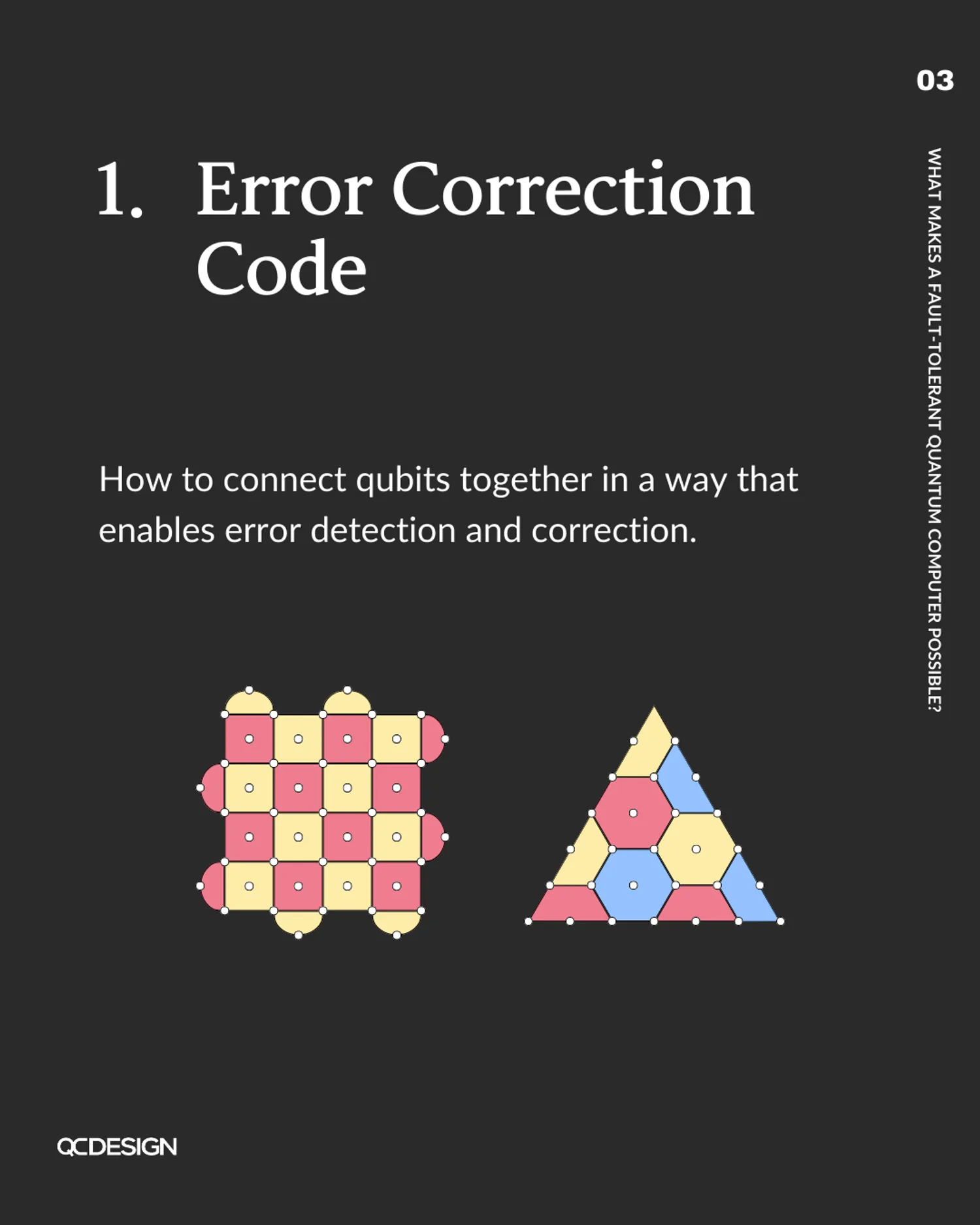
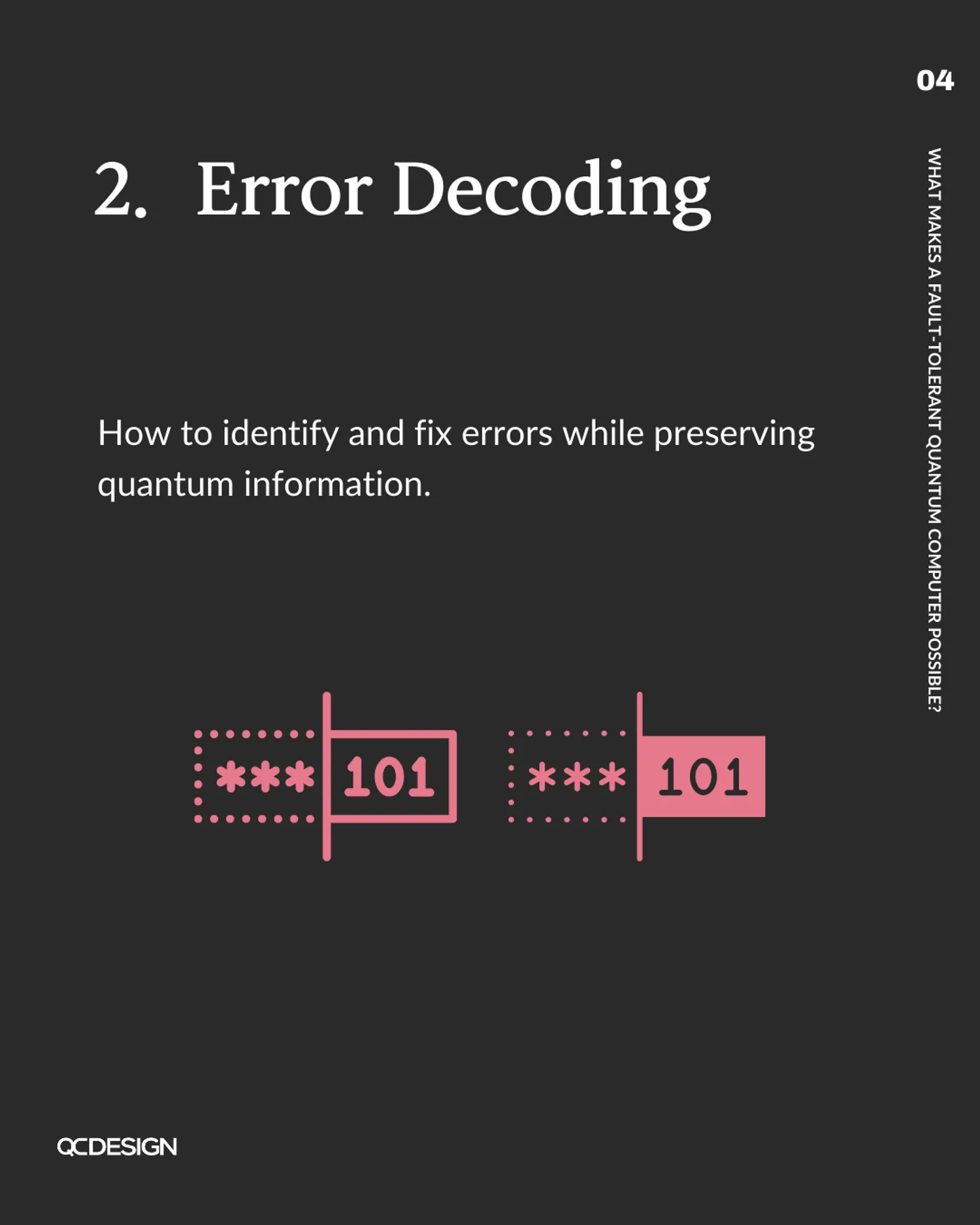
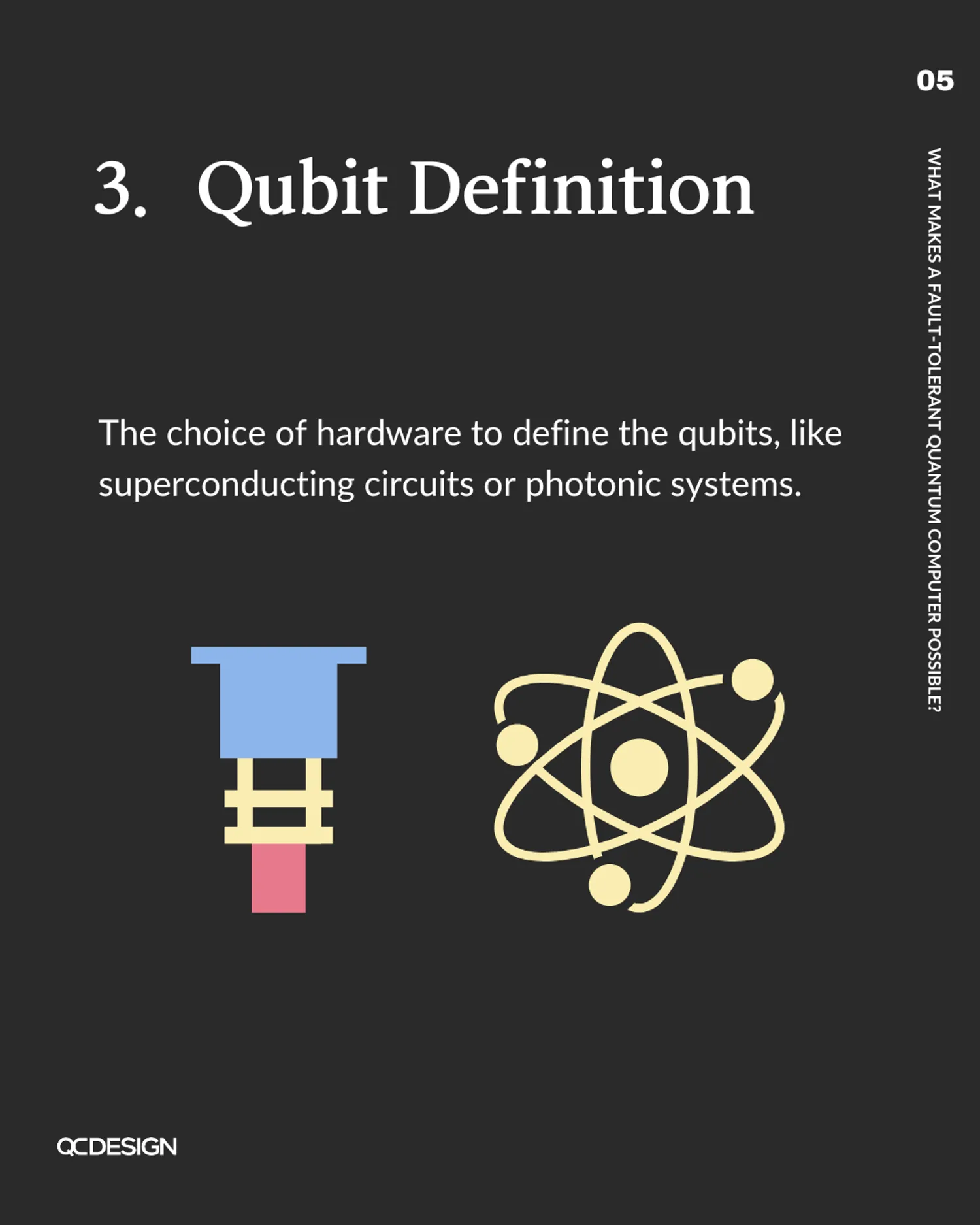
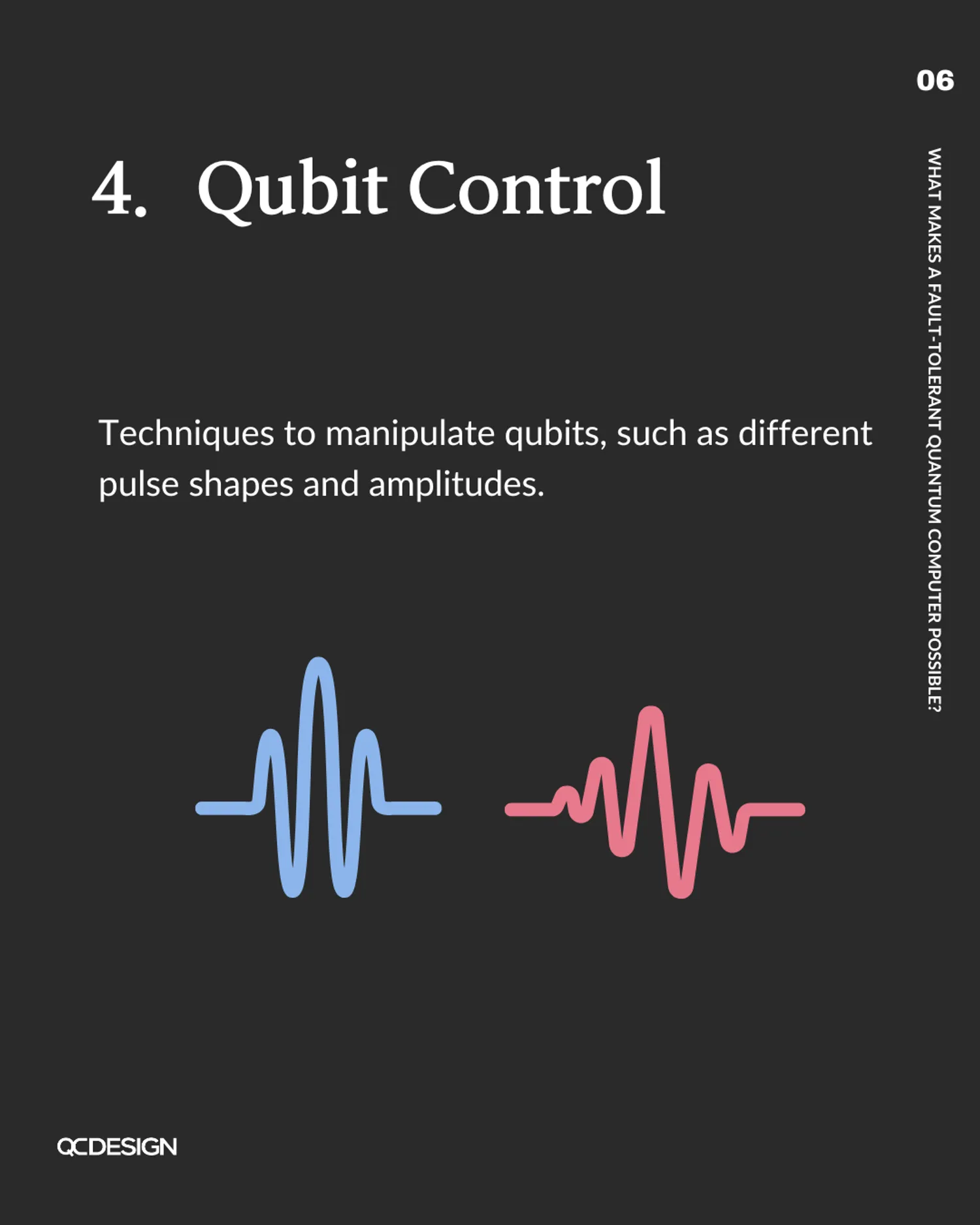
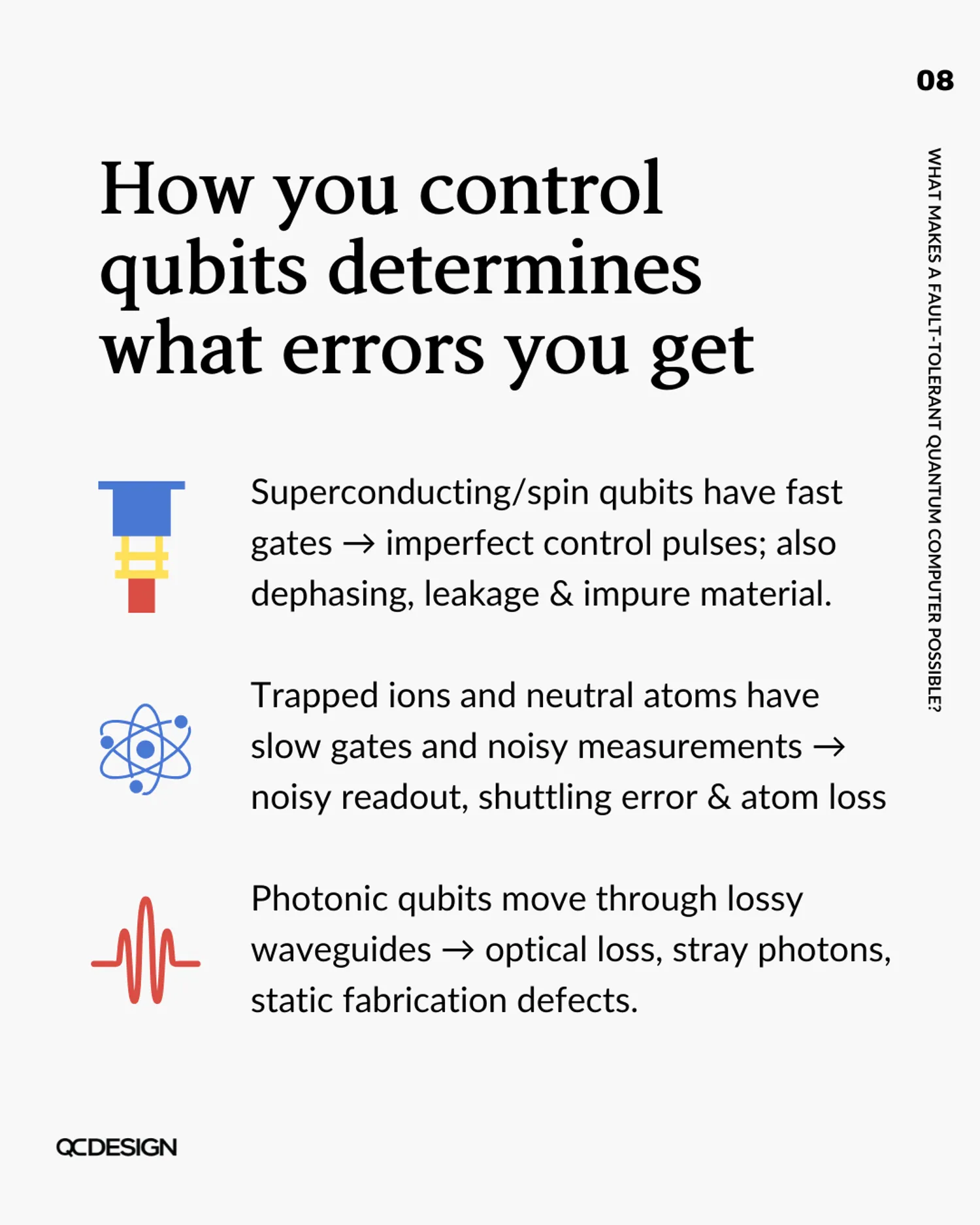
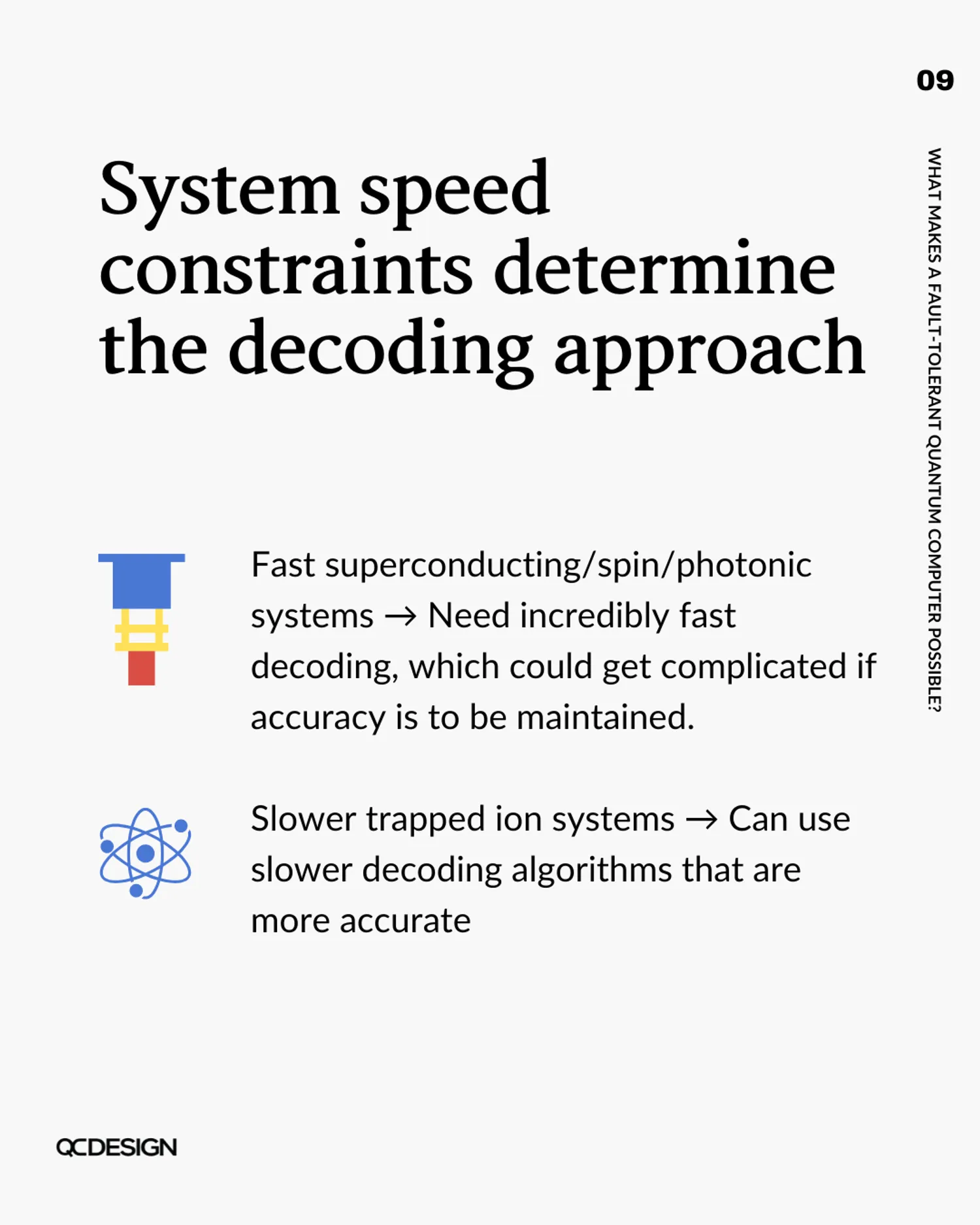
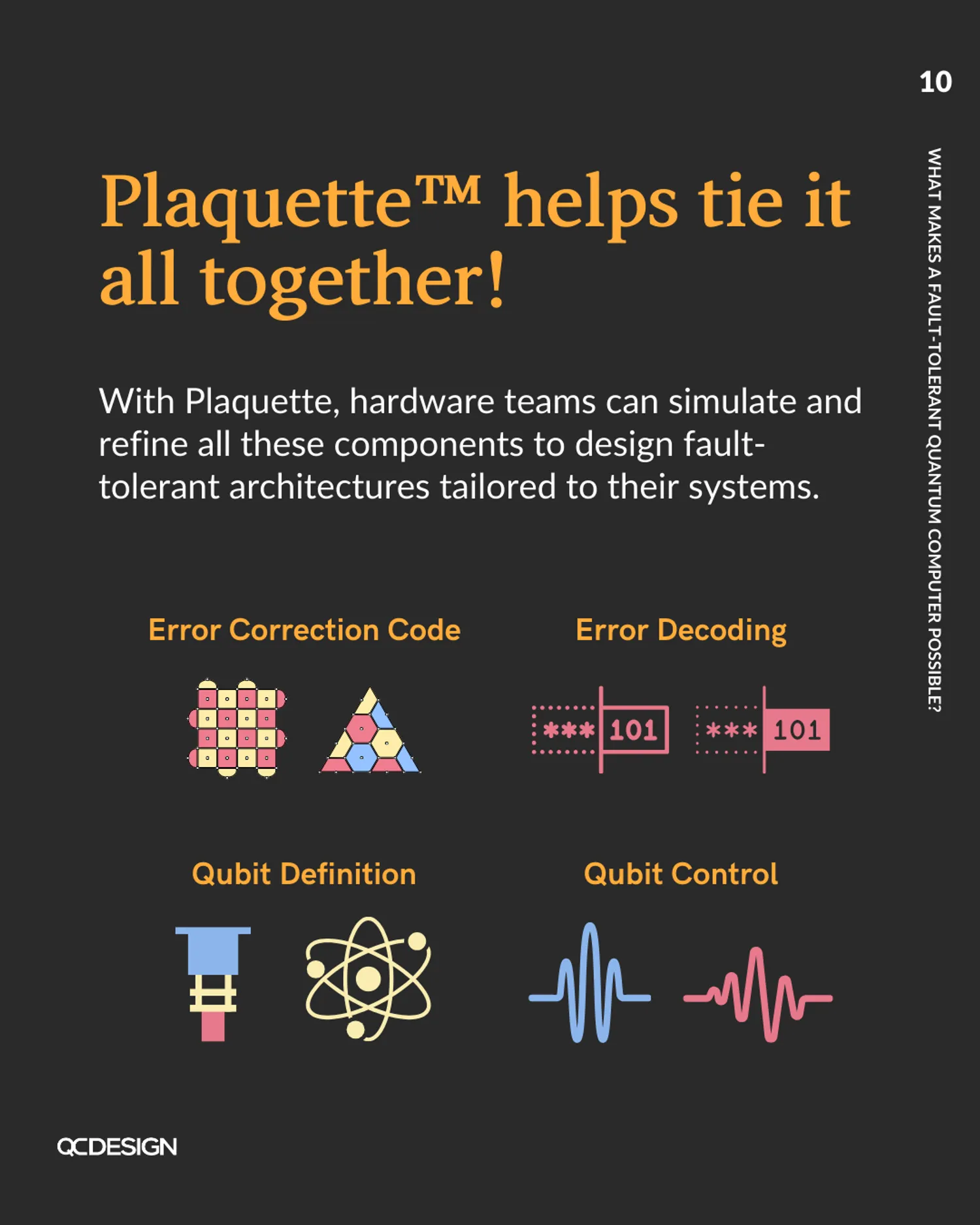
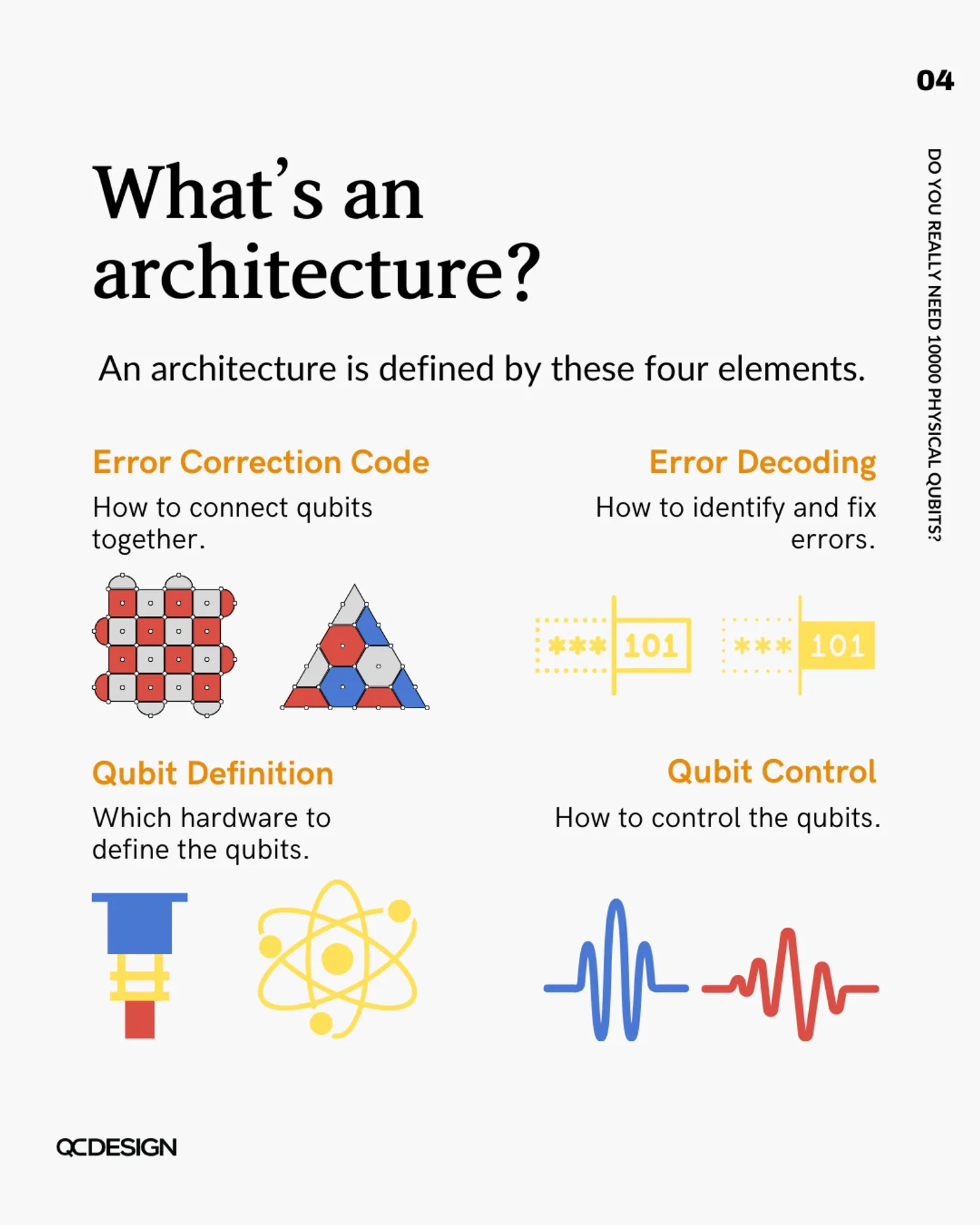
- What makes a fault-tolerant quantum computer possible? The four key components of a robust architecture and how they affect error correction.
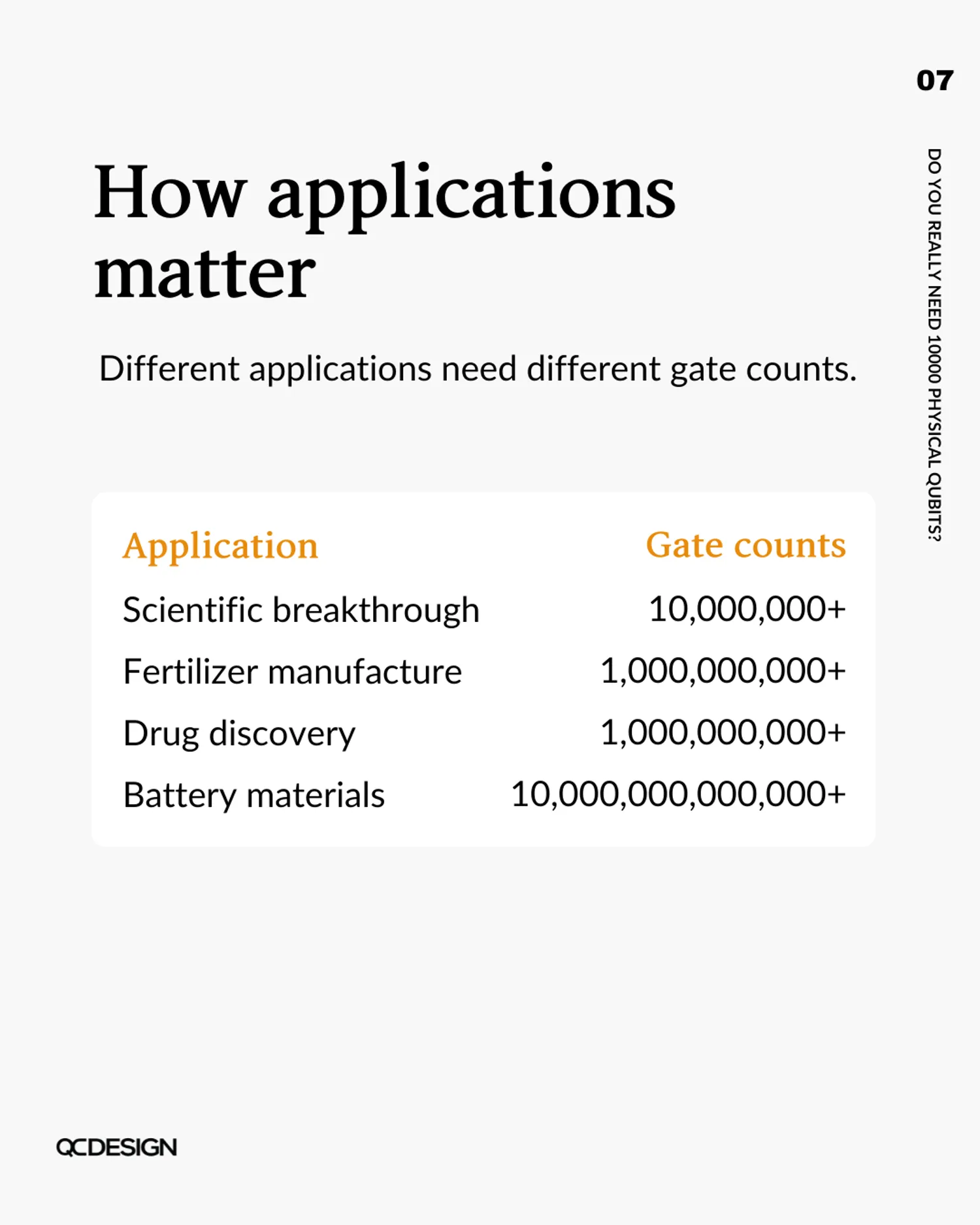
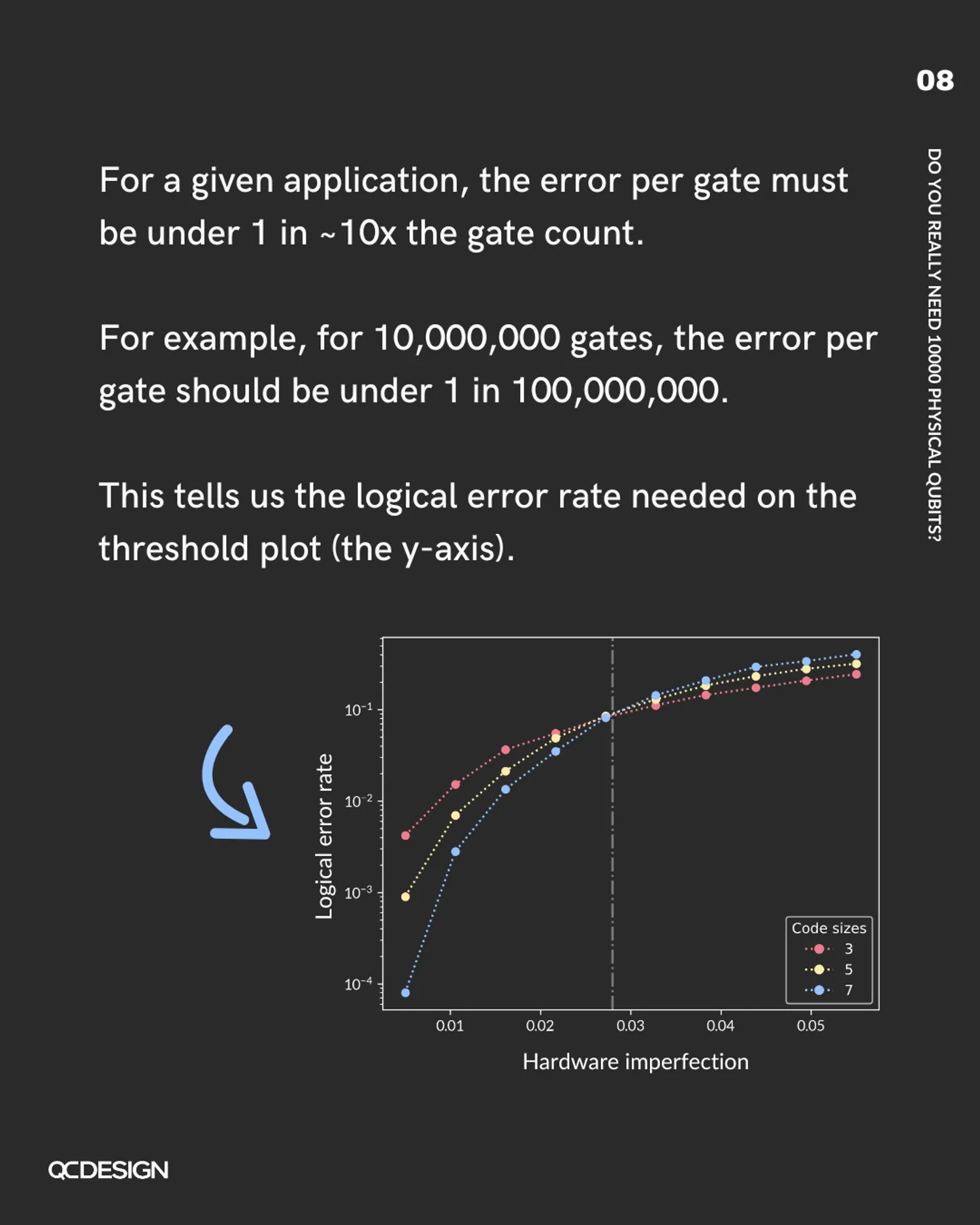
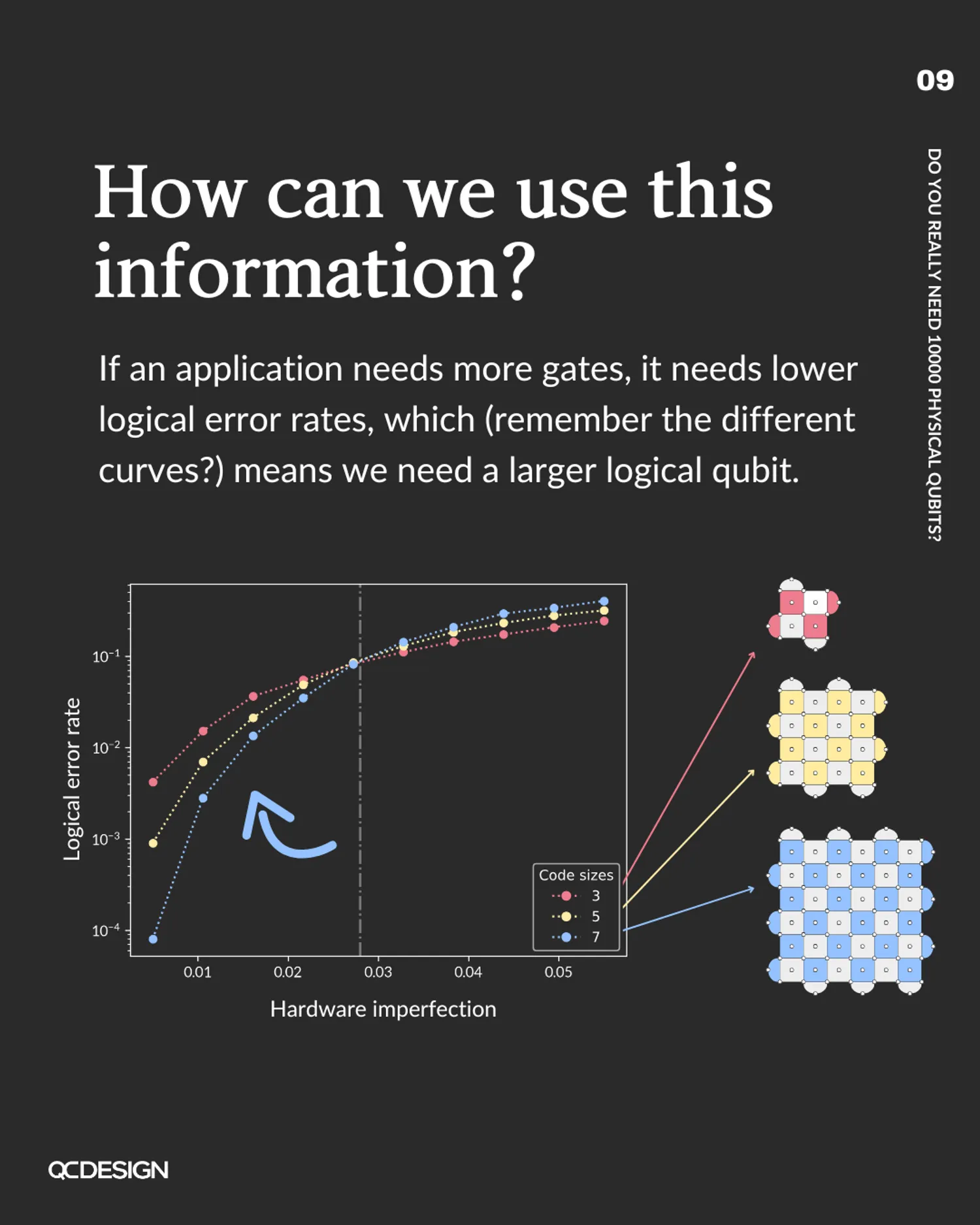
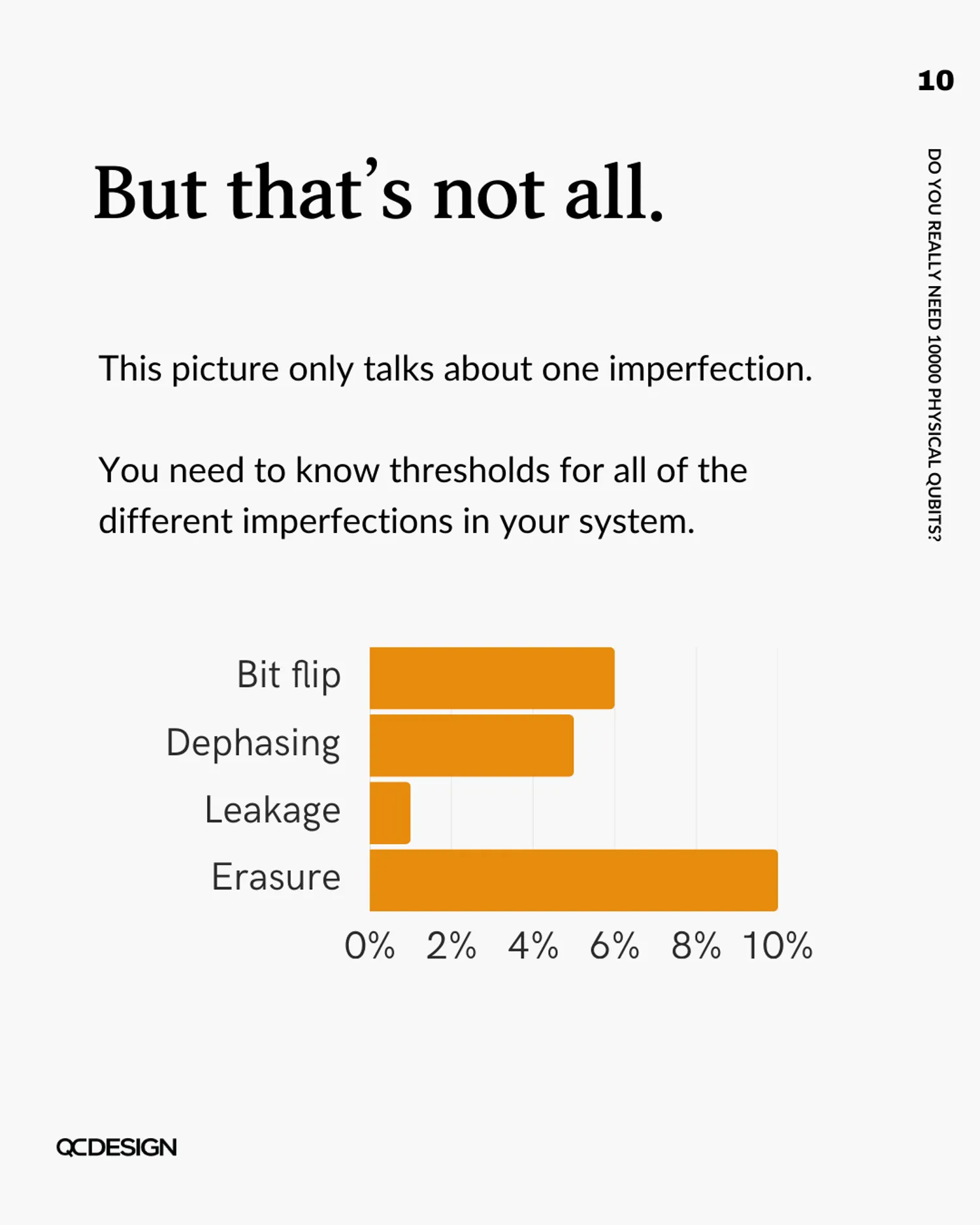
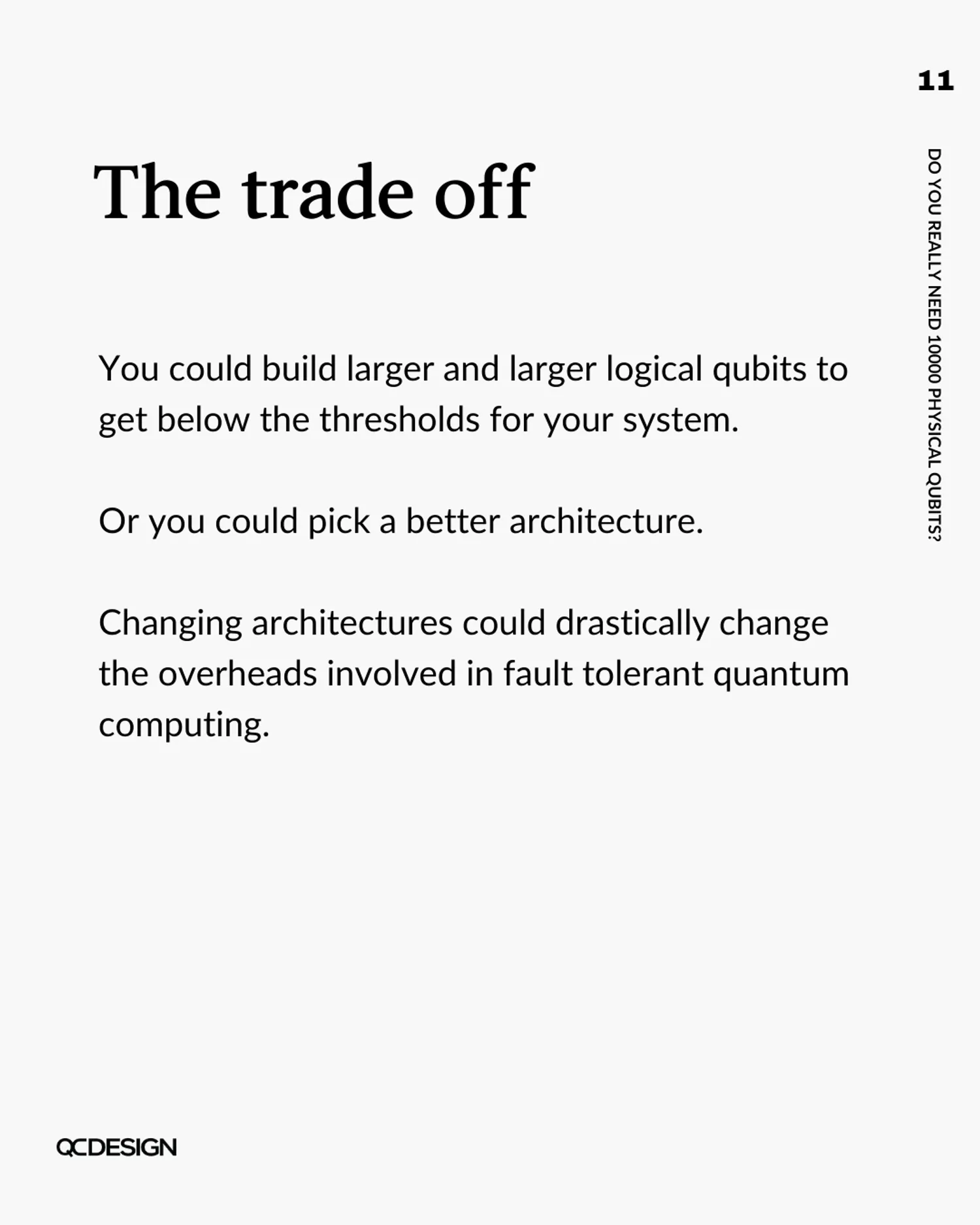
- Do you really need 10000 physical qubits? Estimating overheads in Fault-Tolerant Quantum Computing.
Together, these eleven carousels give you a crash course in one of the central problems of quantum computing: how to make imperfect devices act as if they were nearly perfect.
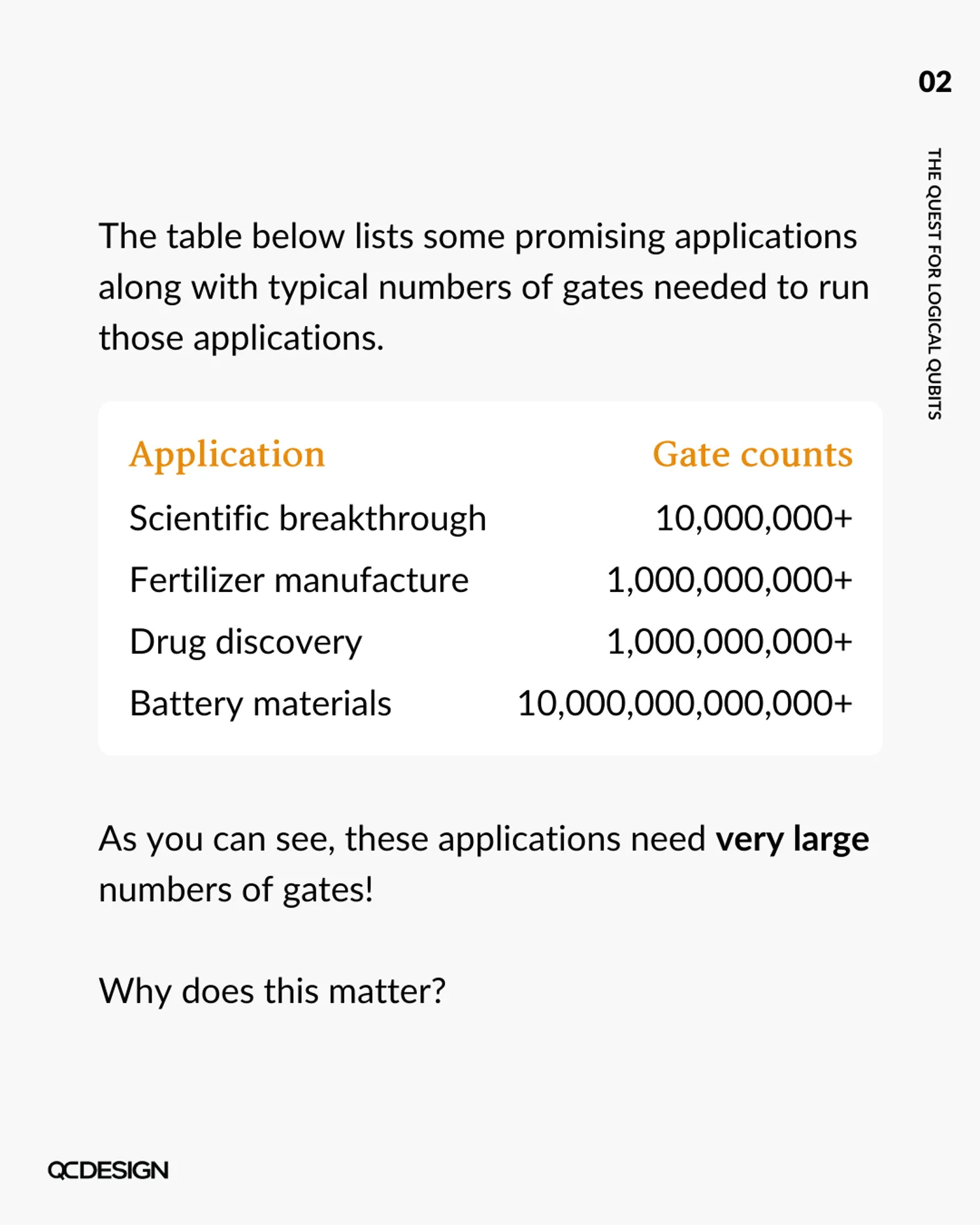
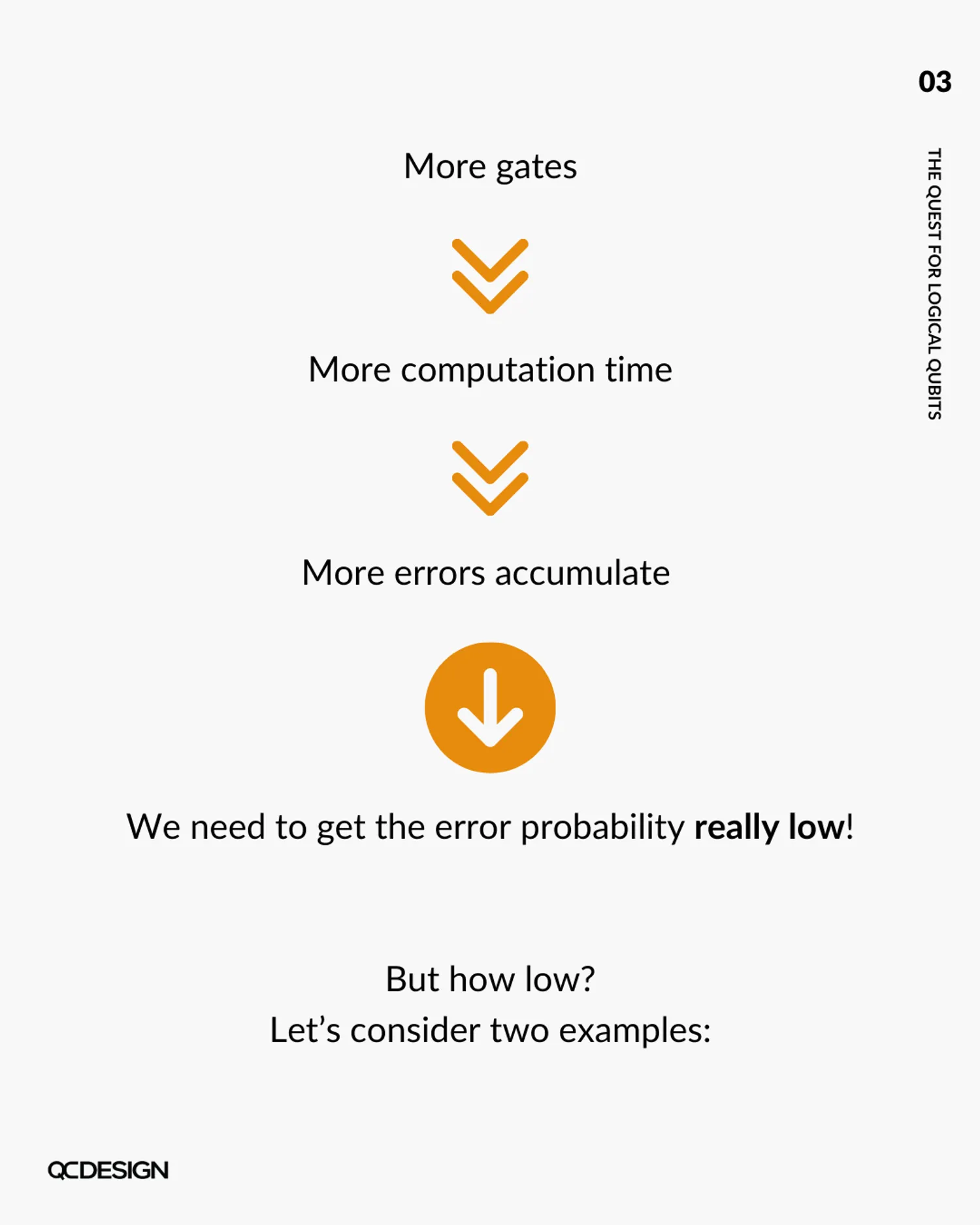
The quest for logical qubits



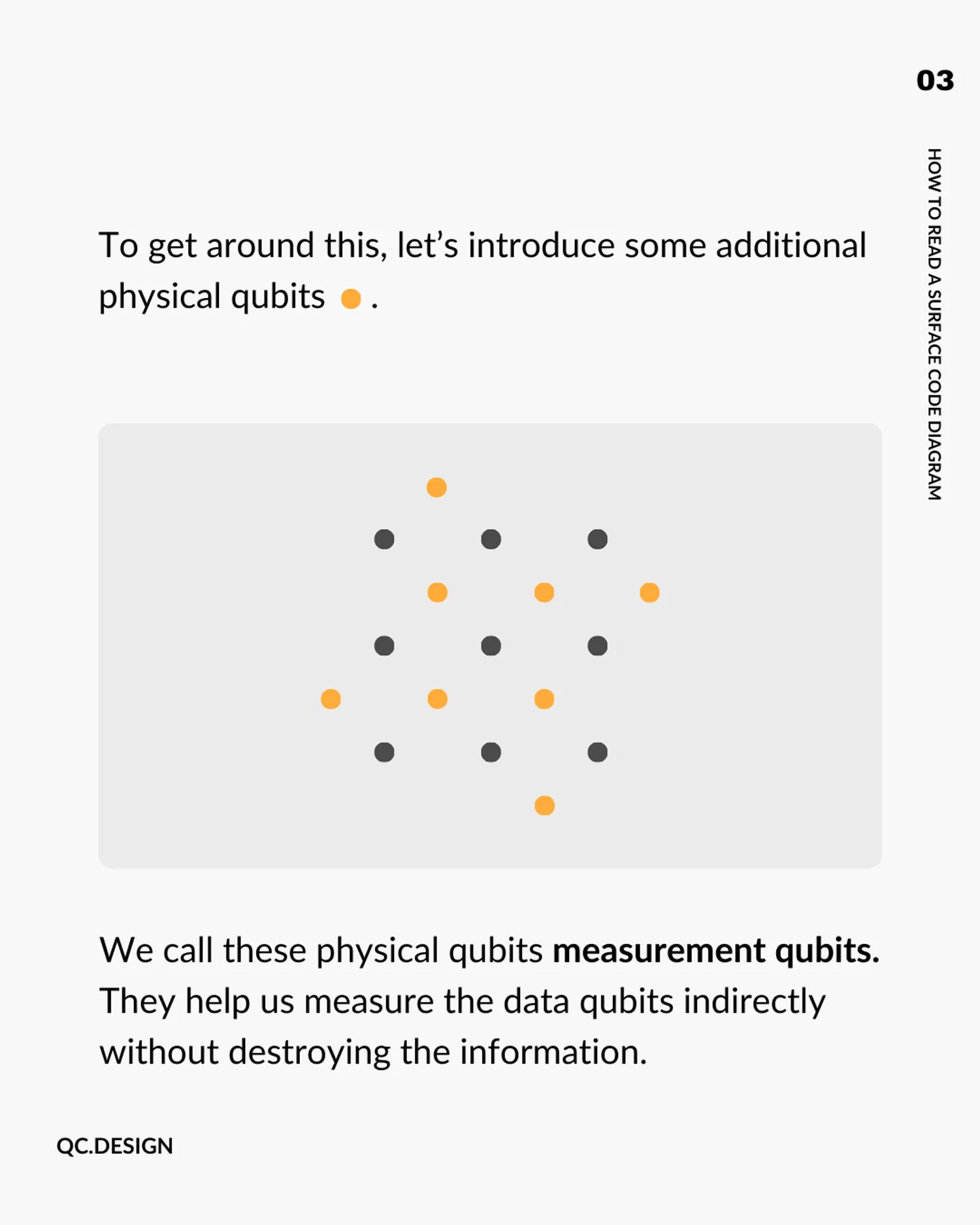
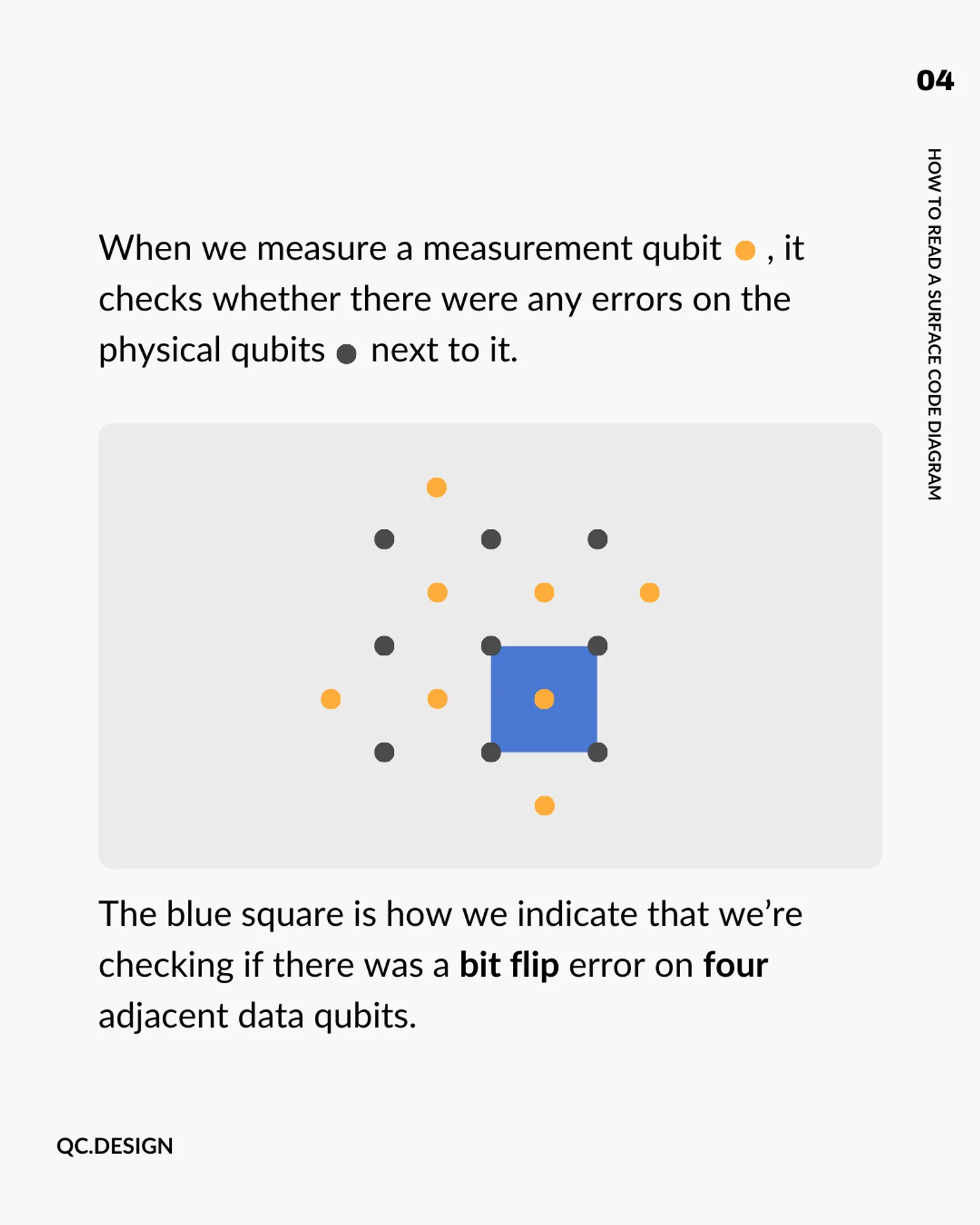
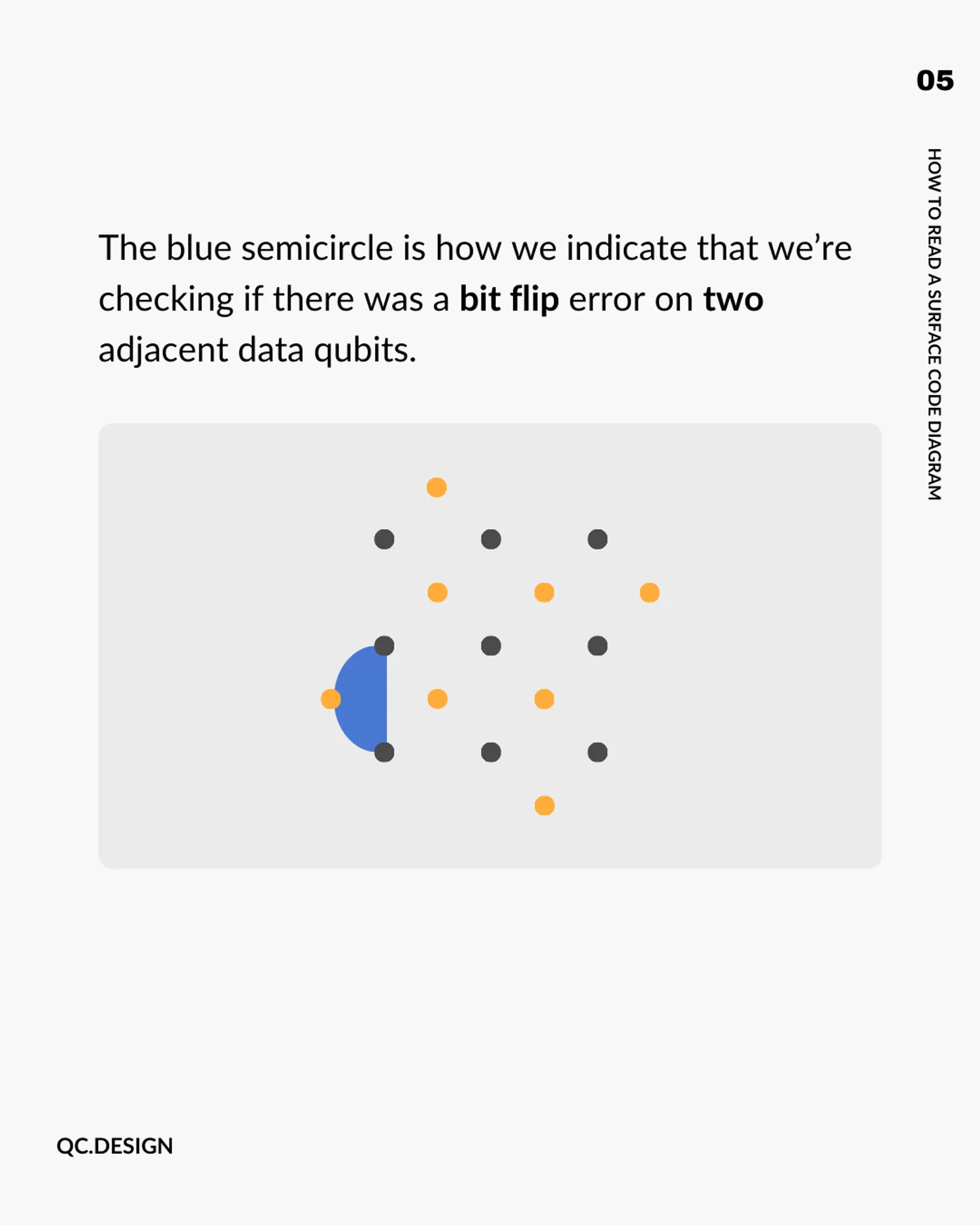
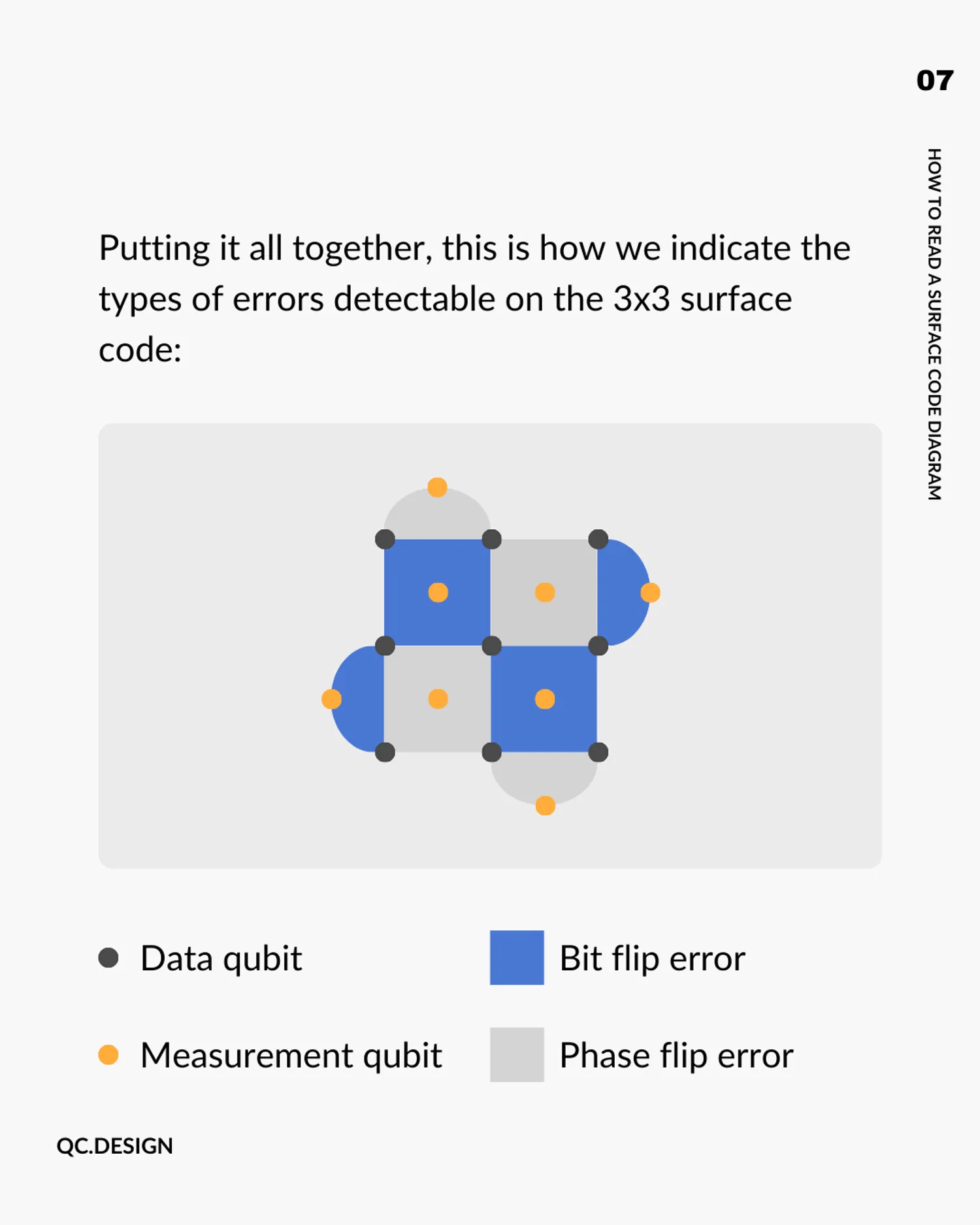
How to Read a Surface Code Diagram


The logic behind logical qubits

Quantum Fault Tolerance Threshold Plots



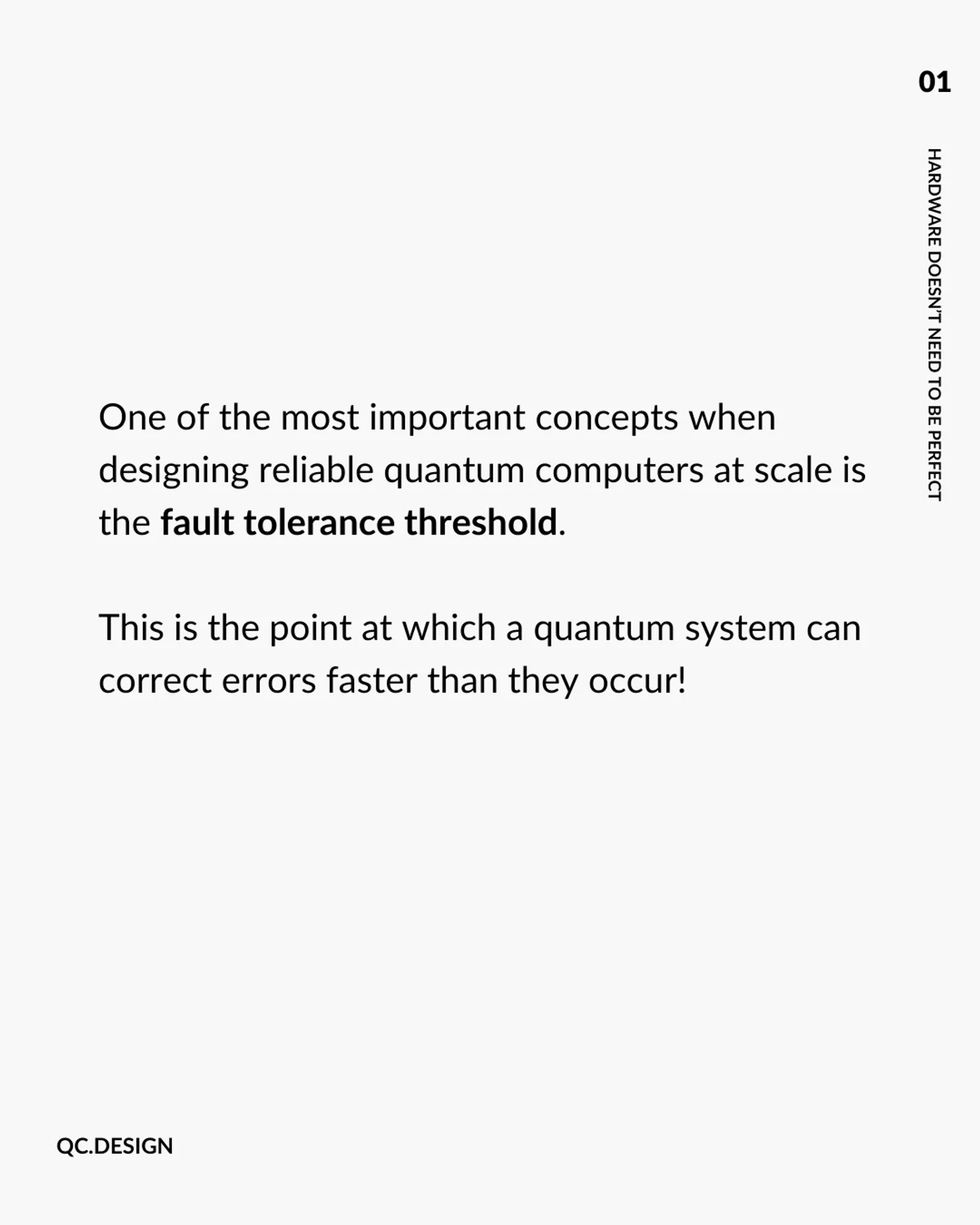
Hardware doesn't need to be perfect


Not all errors are equal

Shifting error thresholds
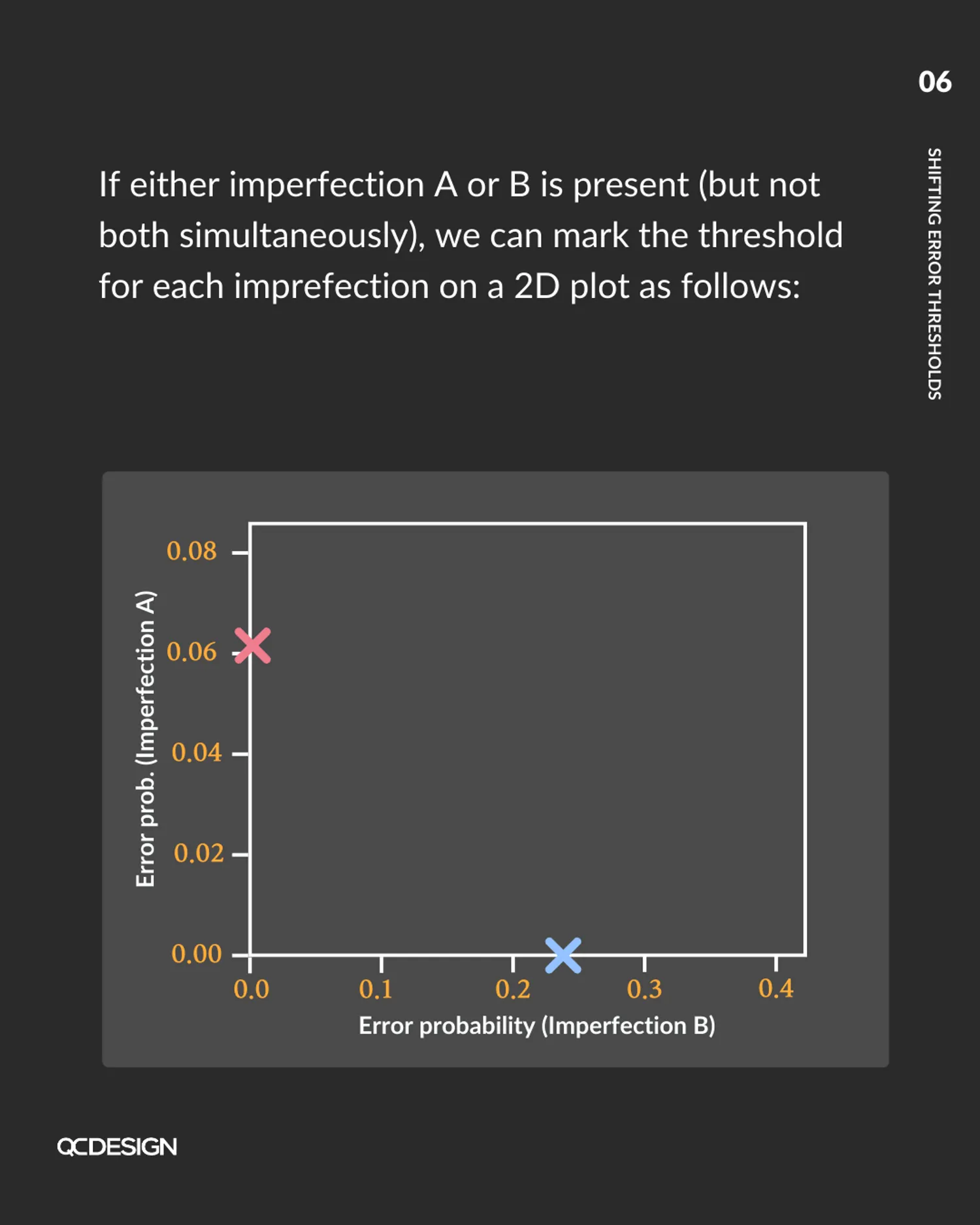
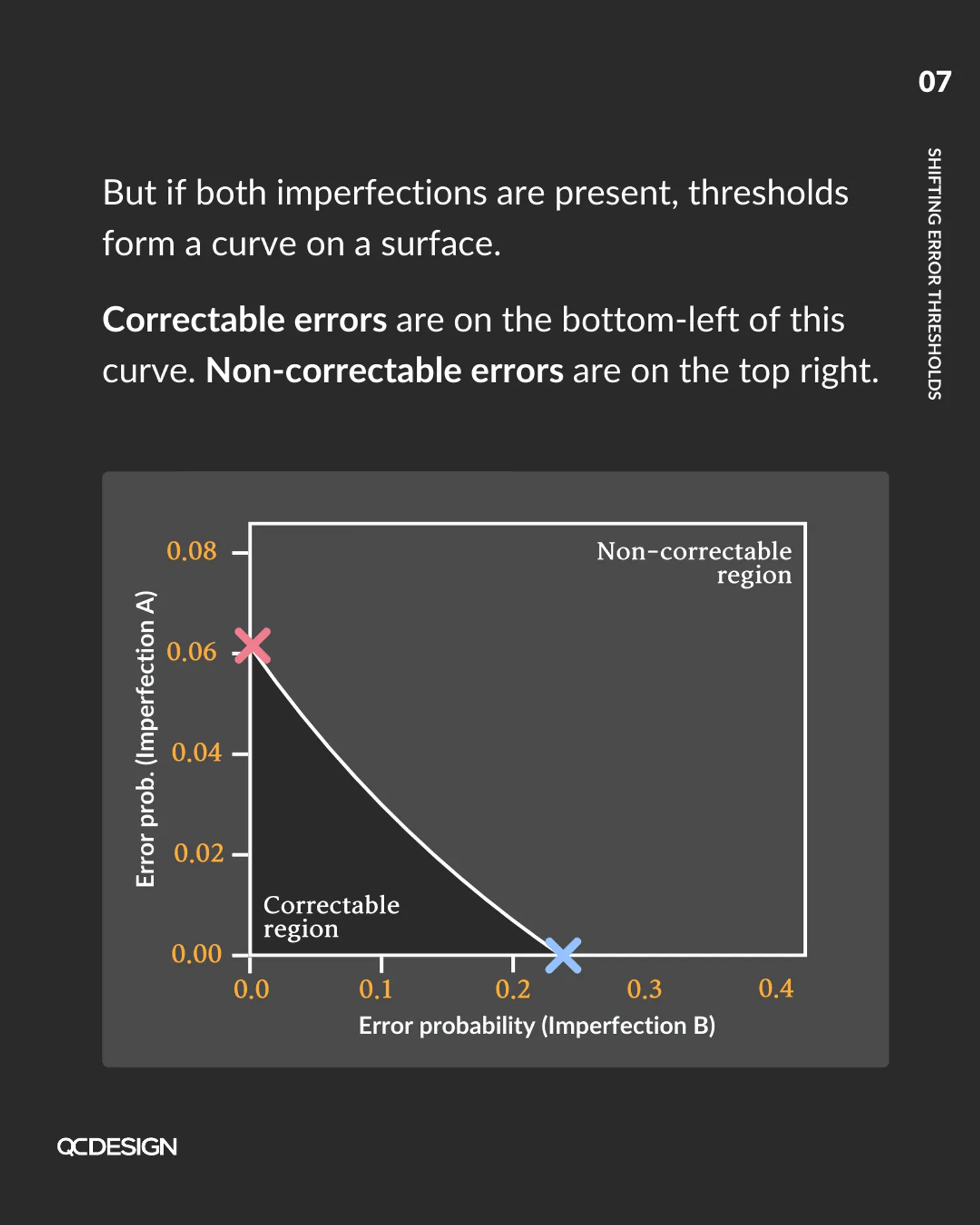
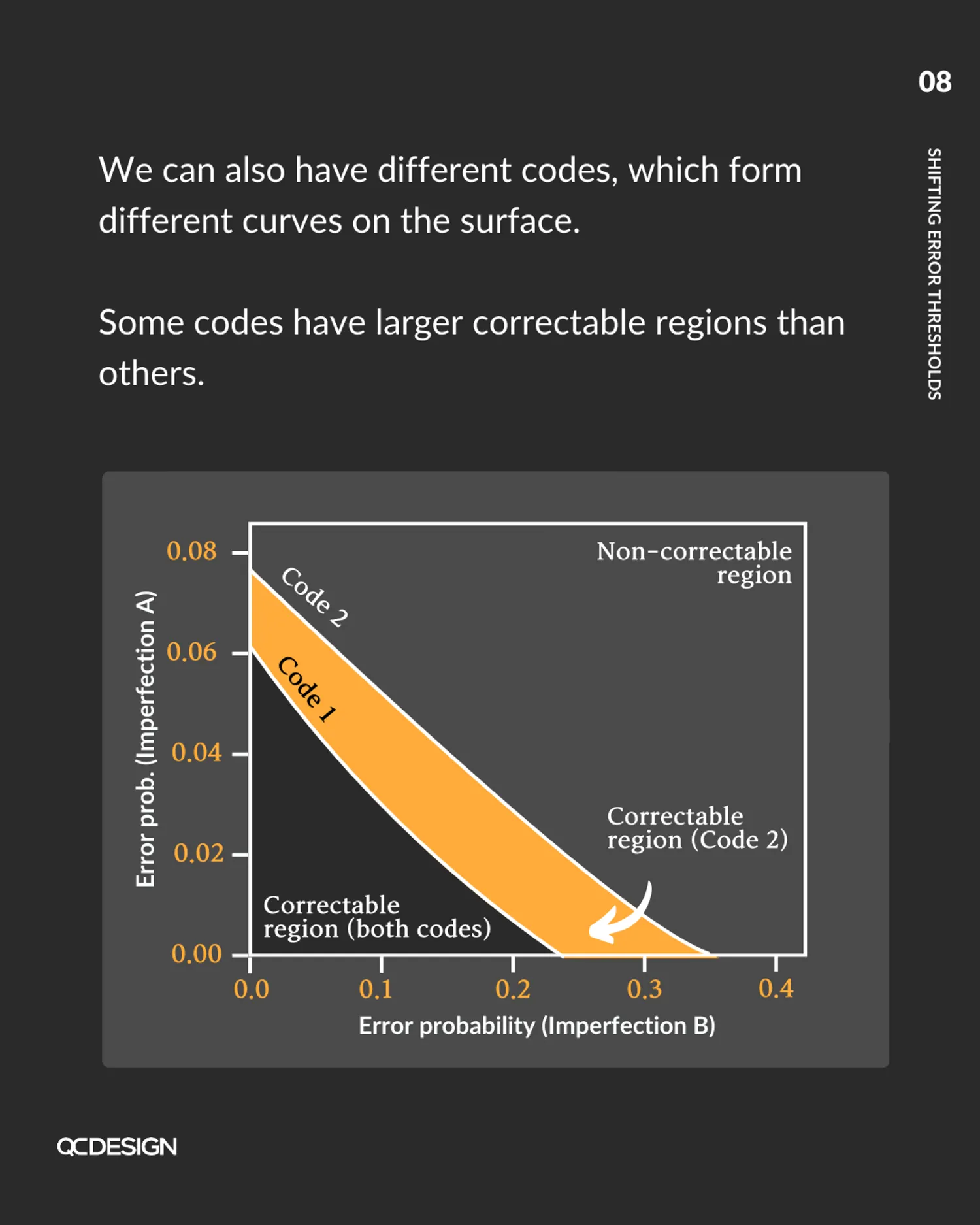
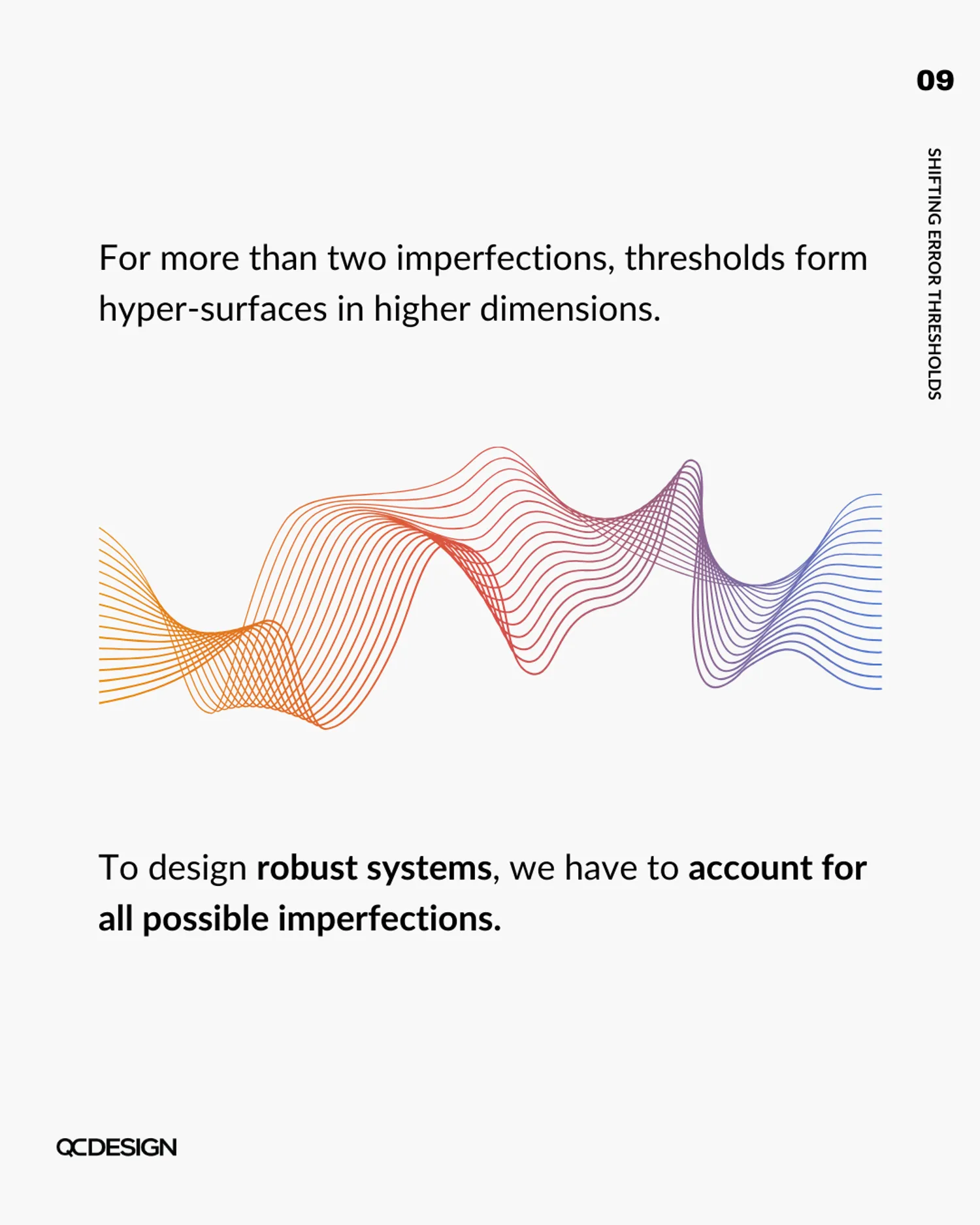

99% gate fidelity

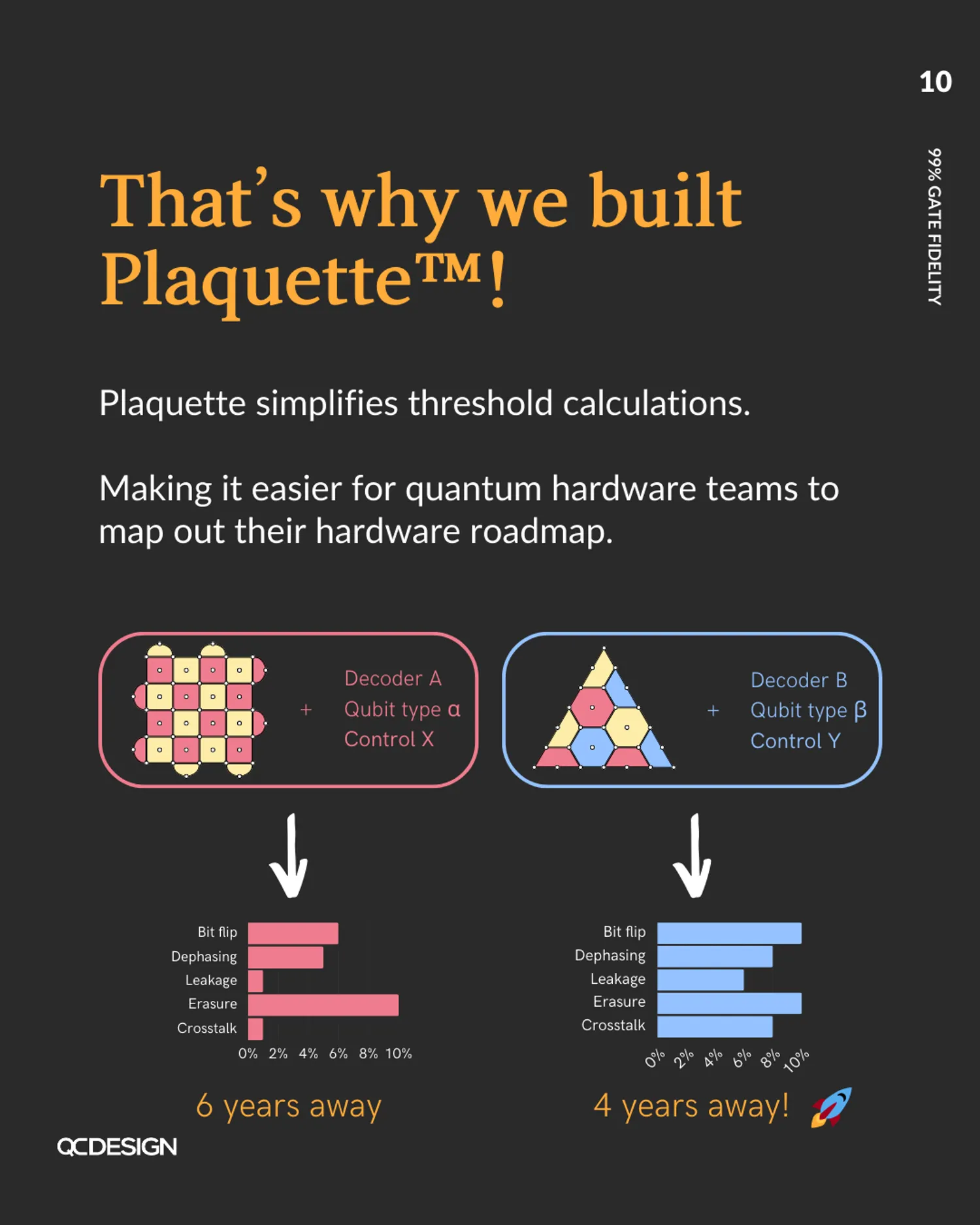

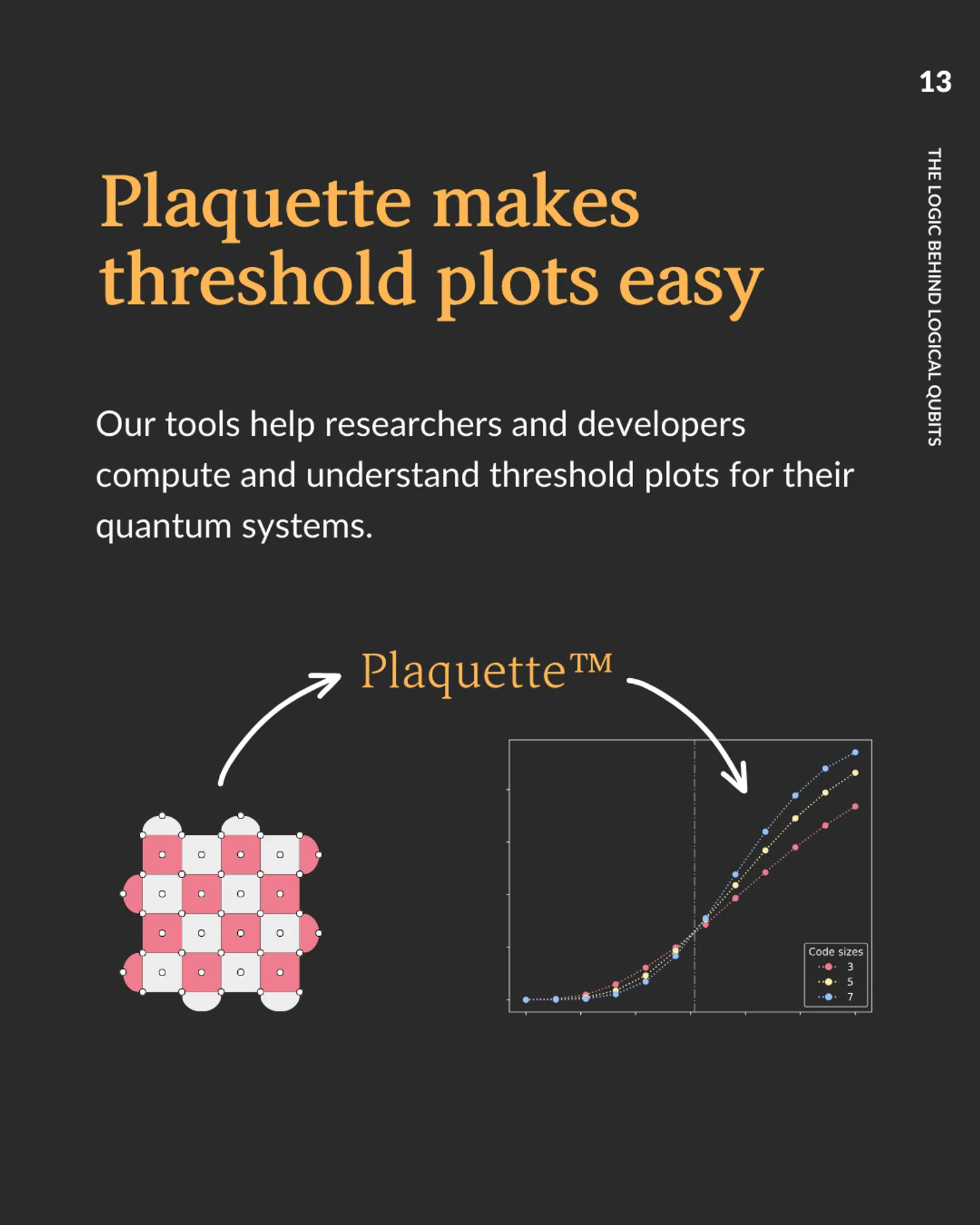
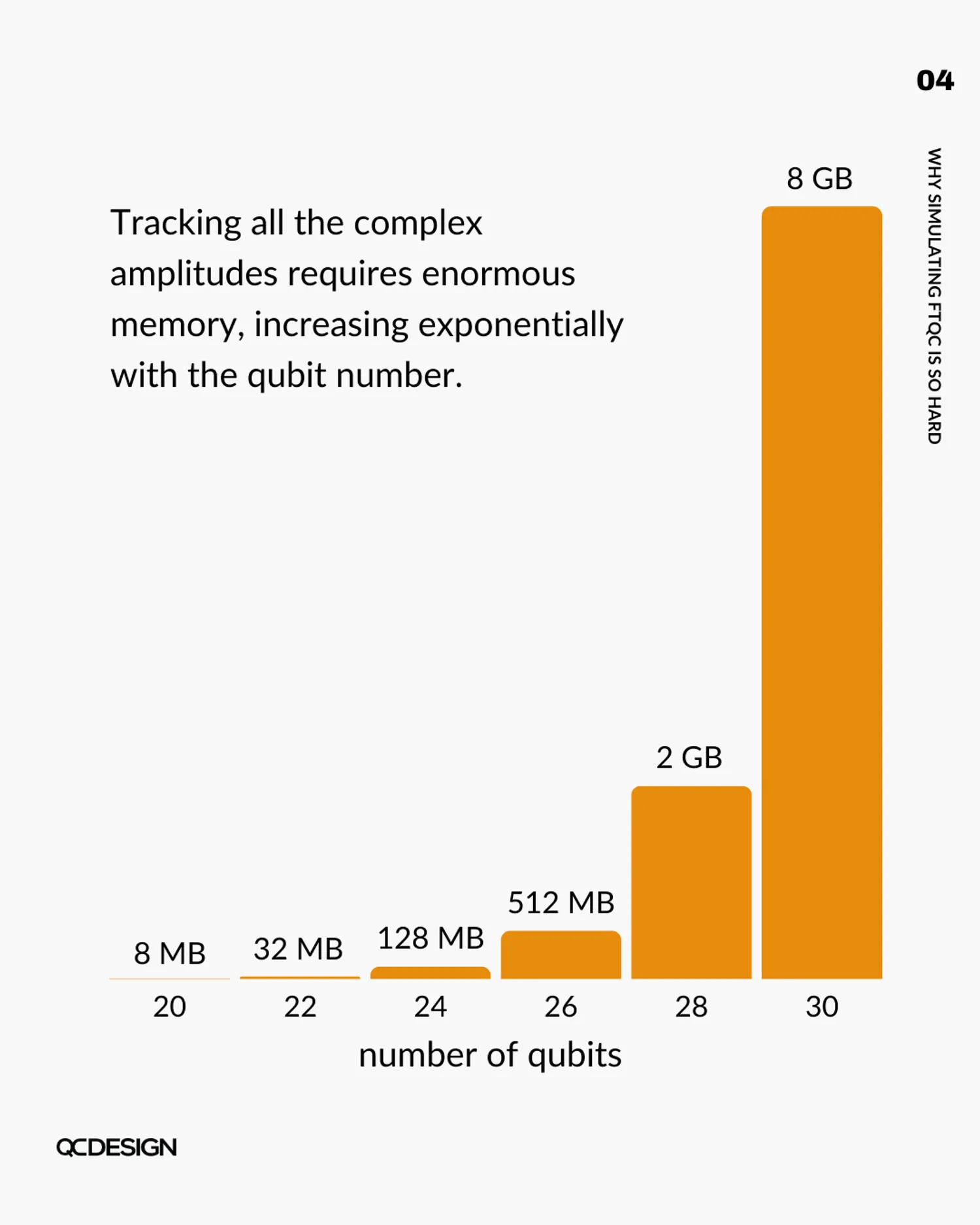
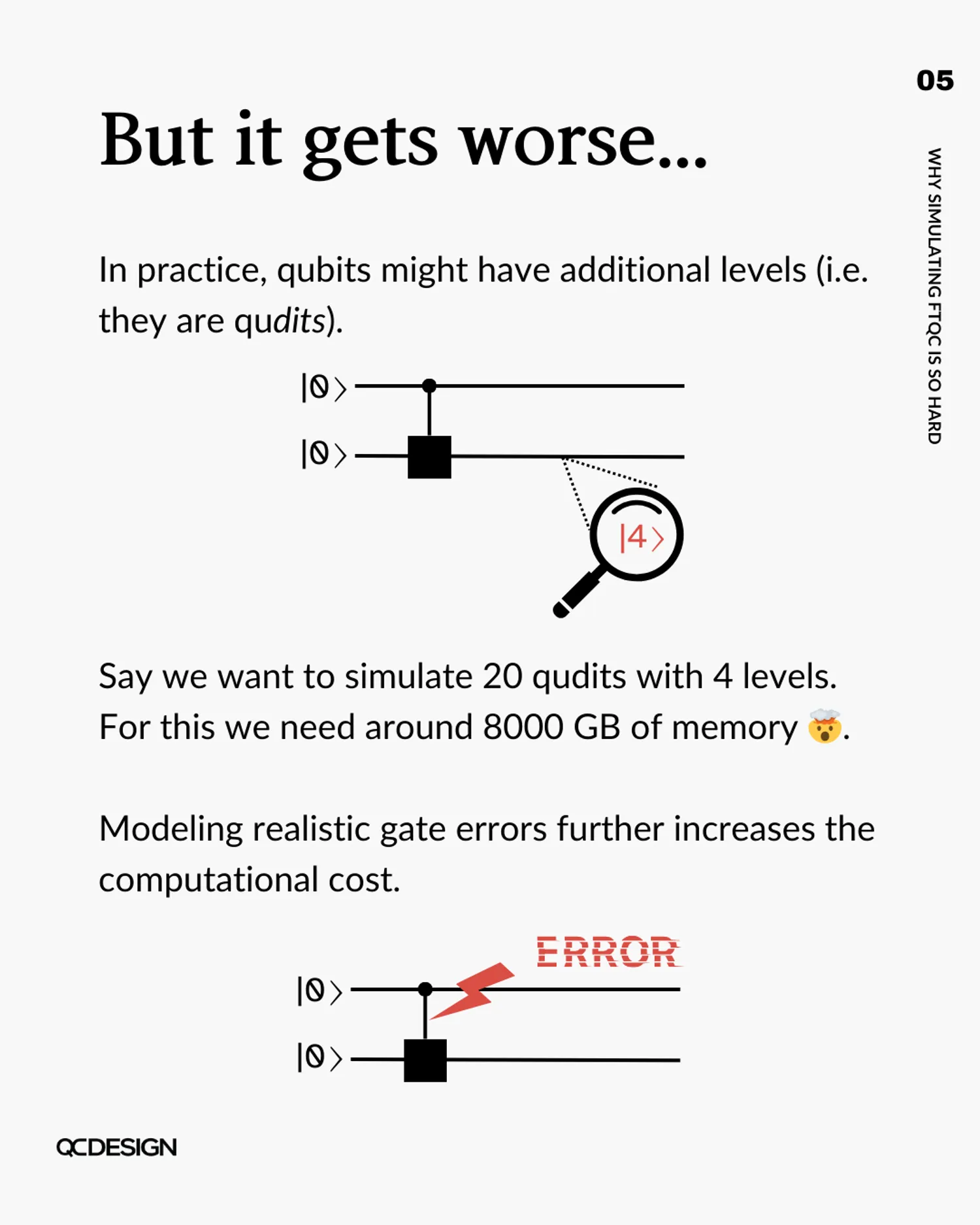
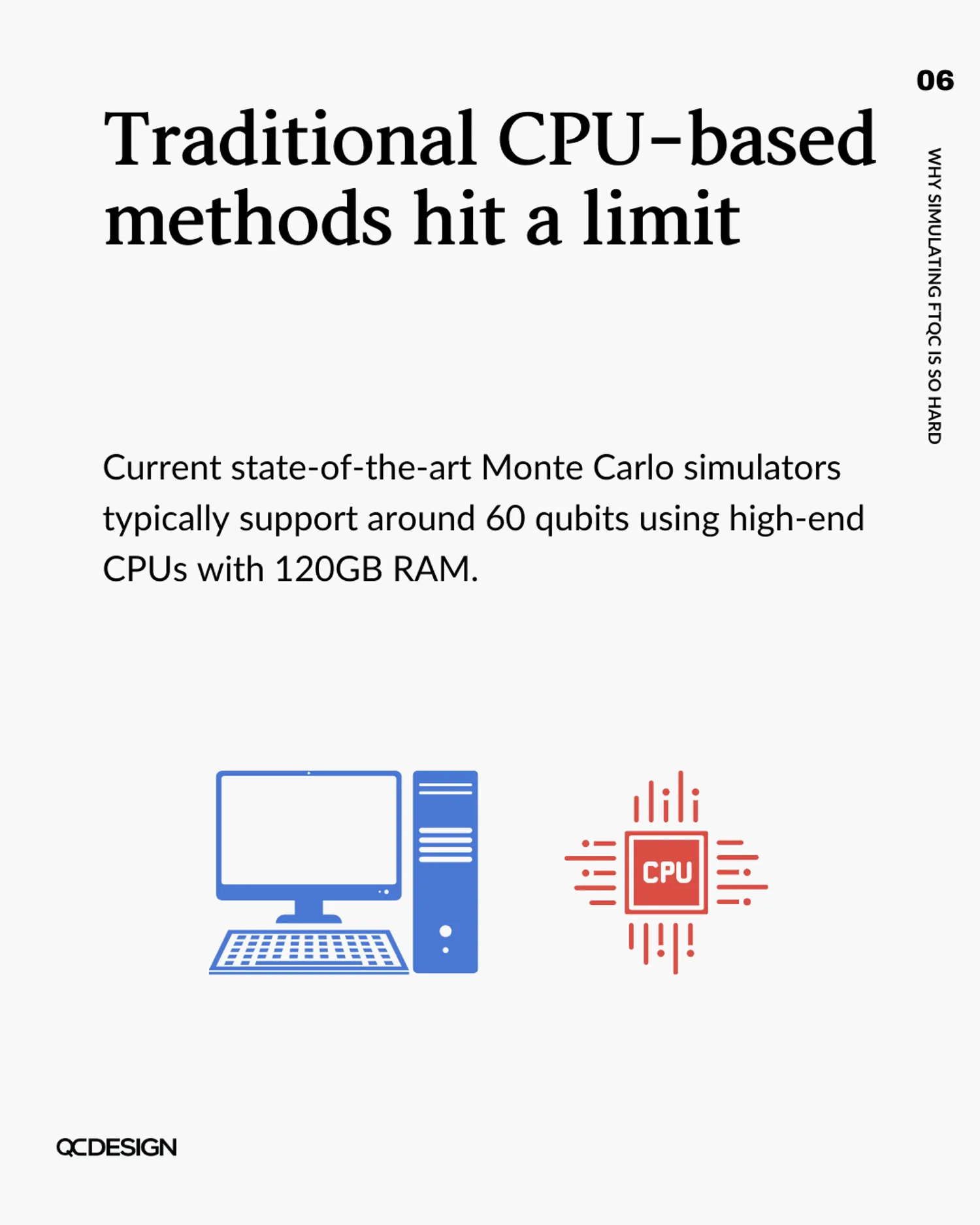
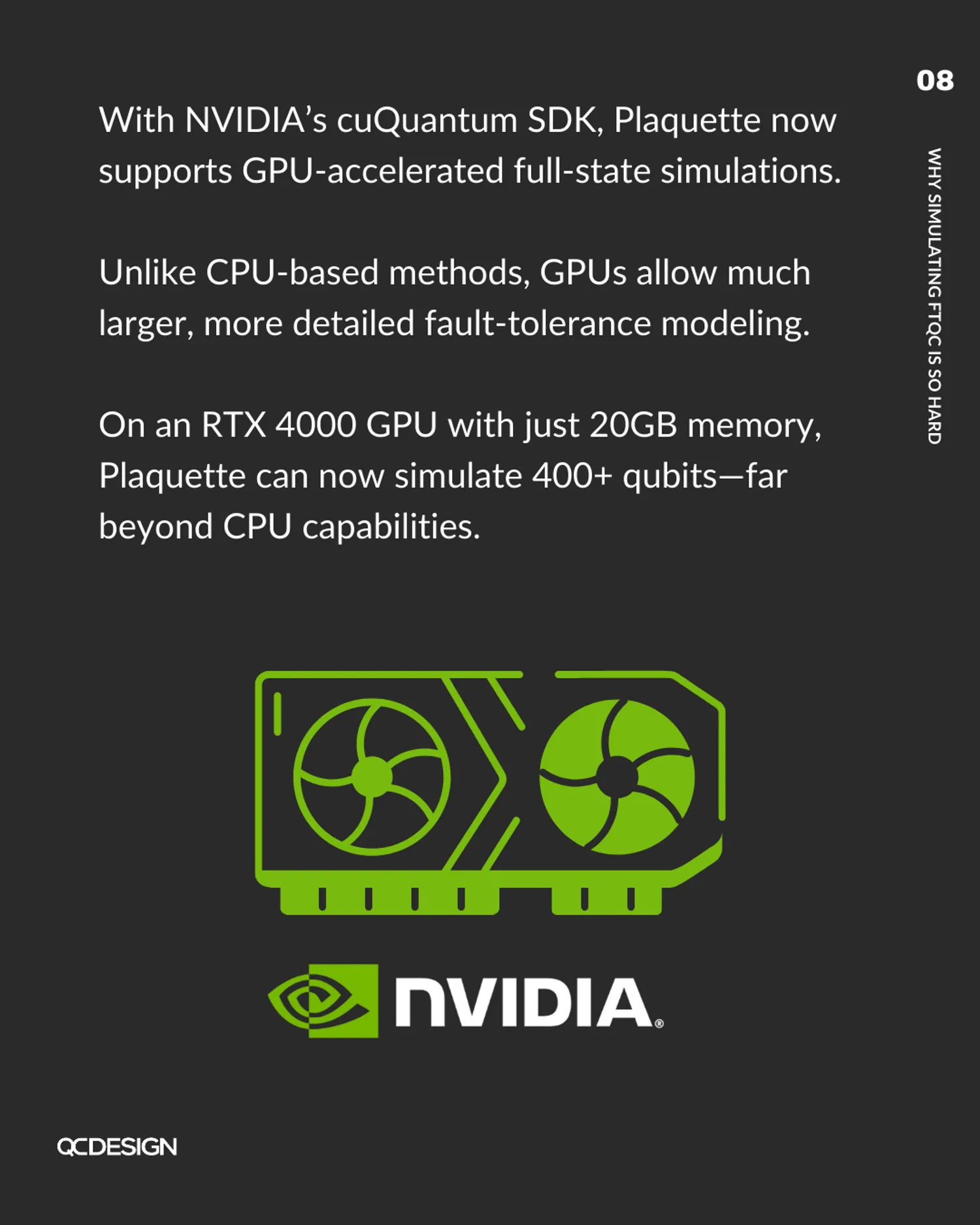
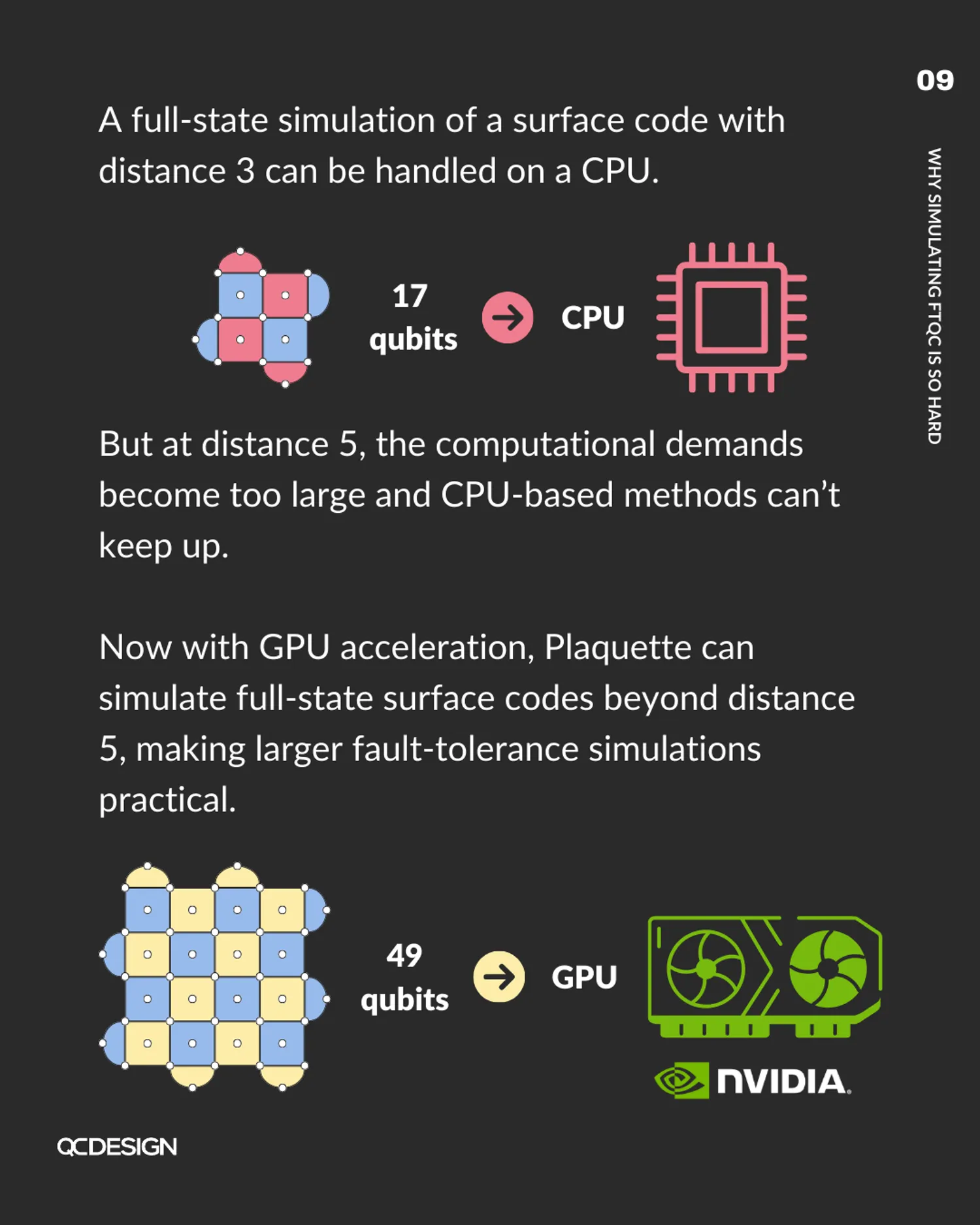
Why simulating FTQC is so hard
What makes a fault-tolerant quantum computer possible?


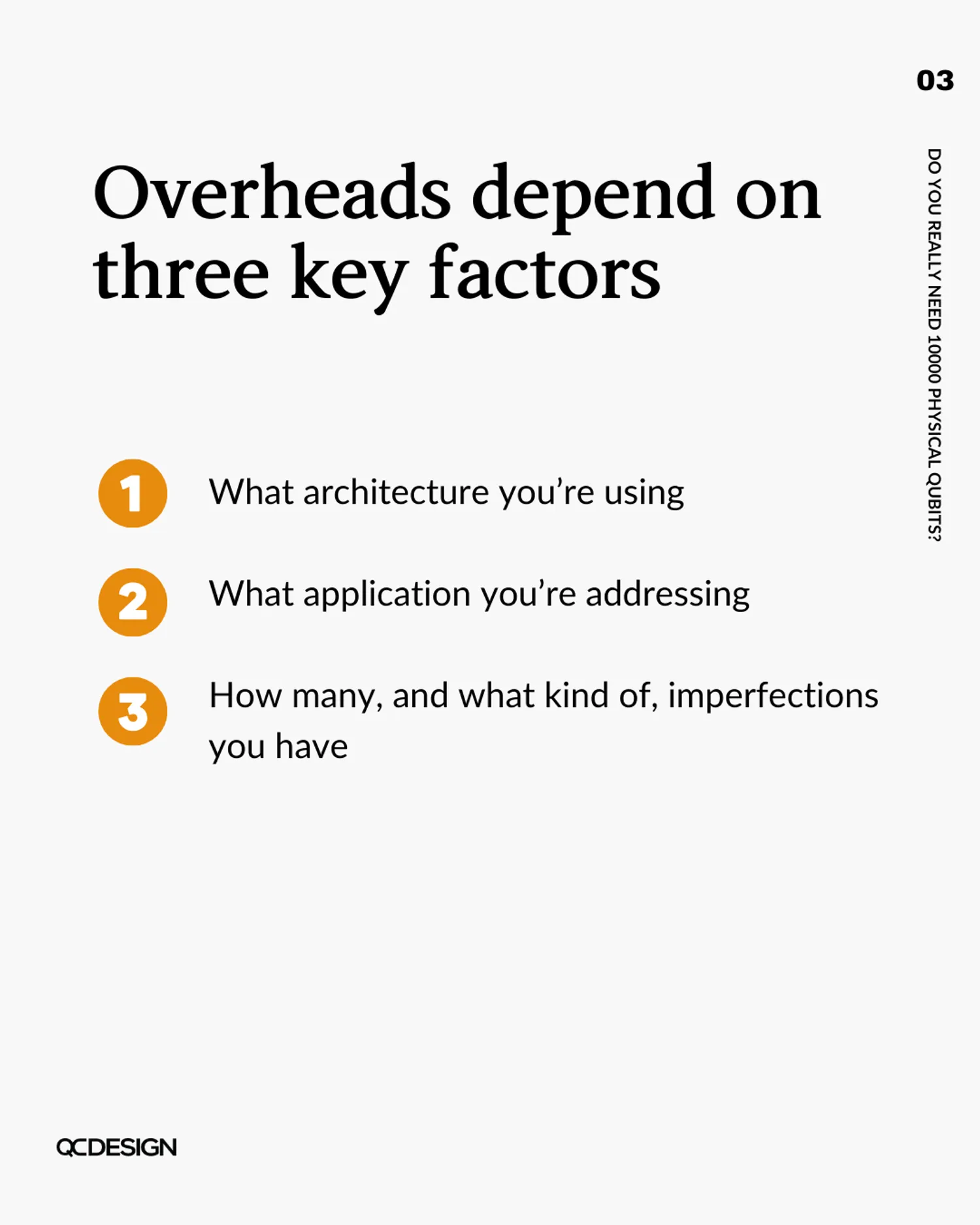
Do you really need 10000 physical qubits?

Do you have a favourite? Do you wish we covered anything else? Send us a message on LinkedIn or contact us here.